
Gloss Varnish
Gloss varnish adds brightness and light protection without a lamination layer. It suits pouches that need lively graphics but no high moisture or abrasion resistance.


Hot & Cold Thermal Bags, Insulated Mailers & Cold Chain Delivery Packaging

Fertilizer, Pesticide & Agrochemical Packaging

Cleaner, Laundry & Air Care Packaging

Custom Medical Packaging Solutions

Protective Structures, Inserts and Retail Packs

Custom Protein Powder Pouches, Vitamin Stick Packs & Nutrition Bar Bags

Cosmetics, Fragrance and Skincare Packaging

Takeout, Bakery and Beverage Packaging

Kibble, treat & wet food packaging

Explore our comprehensive packaging finishing guide, featuring various lamination and surface treatment options to enhance your packaging texture, visual appeal and product protection.
Choose a finish that protects the printed film, fits your pouch structure and delivers the look your product needs. Compare practical options before sampling and mass production. See the component before adding it to the structure. Closures, fitments and functional features affect filling speed, protection, shipment volume and recycling.
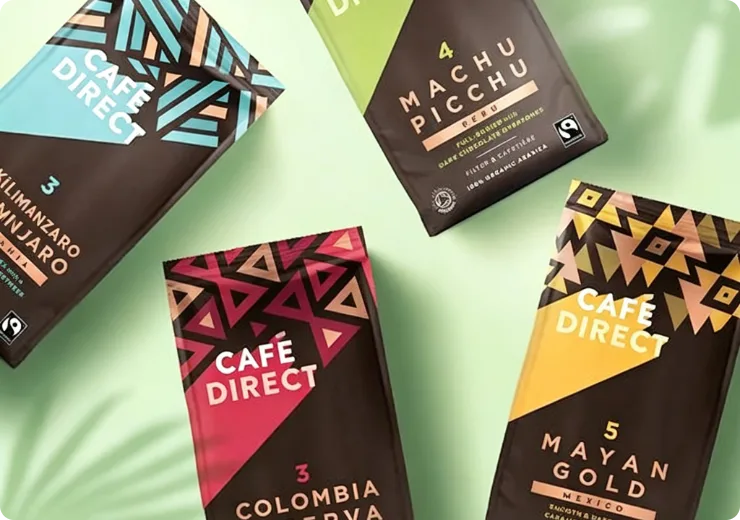
Use coatings and varnishes when you need light surface protection, controlled sheen or a selected highlight without changing the film structure. Your artwork and wear requirements determine whether an all-over or spot process is suitable.
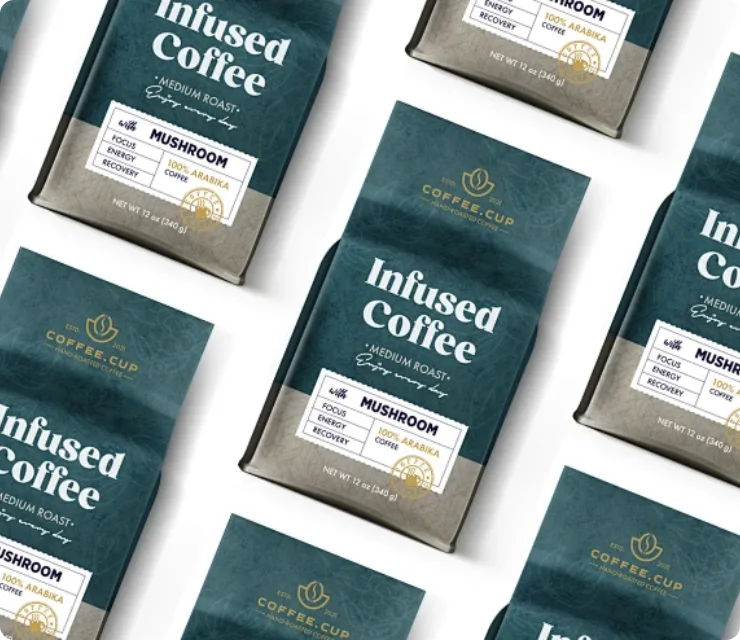
Gloss varnish adds brightness and light protection without a lamination layer. It suits pouches that need lively graphics but no high moisture or abrasion resistance.
Matte varnish reduces reflection while retaining a thinner, film-feel surface. Compare it with matte lamination on the actual film because protection and color depth are different.
Spot UV adds gloss to selected logos, patterns or product images. Supply the UV area as a separate artwork layer and confirm registration on the printed sample.
Raised UV creates a clear, touchable detail. Avoid very fine lines and seal-adjacent edges until the artwork has been checked against the production process.
For electronics and powder applications, an anti-static coating or inner layer controls surface resistivity. Confirm the resistivity range with the target application.
Choose a specialty surface when standard gloss, matte or foil cannot deliver the effect you need. These finishes must be checked against your printed colors, handling conditions and destination-market requirements.
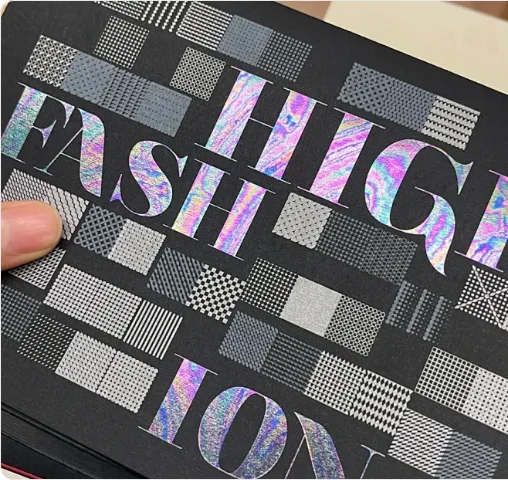
A velvet-like micro texture for premium food and beauty pouches. Confirm it under normal handling because dark colors make marks more visible.
Helps dark, frequently handled packaging look cleaner. Performance varies by material and color, so confirm it under normal handling and lighting.
Adds a dry, tactile surface to selected areas. Check high-contact corners and large solid panels so the texture remains consistent after handling.
Clear windows showcase products with printed frames. Confirm window specs and seal performance on samples before mass production.
Combine a matte base with selected glossy zones to guide the eye to a logo or product image without foil. This is produced by spot UV or selective varnish in one pass.
One process can protect or control the base surface while the second highlights a logo, product name or graphic. Use these combinations as starting points, then confirm registration, seals and surface compatibility on your actual sample.
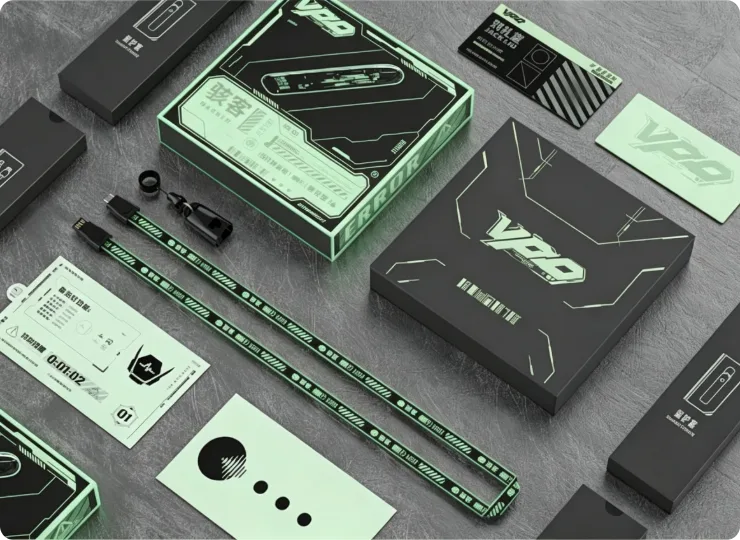
| Your requirement | Finishing options | Suitable packaging | Check before approval |
| More handling protection | Gloss, matte or scratch-resistant lamination | Pet food, snacks, e-commerce and heavy-use pouches | Scuffing, seal-adjacent marks and dark-color fingerprints |
| A premium hand feel | Soft-touch film, embossing or velvet texture | Coffee, beauty, health and gift pouches | Surface feel, relief depth and repeated handling |
| Brighter printed colors | Gloss lamination or gloss varnish | Snack, beverage and colorful retail pouches | Reflection, color shift and seal behavior |
| A selected logo or graphic highlight | Spot UV, raised UV, foil or metallic ink | Cosmetics, pet food, product launches and accessories | Artwork layers, registration, minimum detail and effect position |
| Anti-counterfeiting or premium launch | Holographic film or holographic accents | Medical, supplements, electronics and premium brands | Readability, controlled area and adhesion |
| Product visibility | Transparent window or clear film zones | Snack, frozen and food retail pouches | Window position, seal behavior and barrier impact |
| Category | Common finishes | Why it fits |
| Coffee & Beverage | Matte + spot UV, foil accents, one-way valve zone | Premium shelf presence with a tactile brand mark |
| Pet Food & Animal Feed | Matte lamination, scratch-resistant, resealable zone | High-frequency handling and storage durability |
| Snack & Dry Food | Gloss lamination, clear window, metallized accents | Bright appetite appeal with product visibility |
| Beauty & Personal Care | Soft-touch film, foil stamping, velvet texture | Premium touch that matches the product tier |
| Health & Nutrition | Matte + spot UV, holographic anti-counterfeit | Clean clinical look with tamper-evidence cues |
| Electronics & Semiconductor | Anti-static coating, metallized shielding, matte base | ESD control with controlled surface reflection |
| Medical & Pharmaceuticals | Matte film, security printing, anti-counterfeit zones | Regulatory-clean look with serialization support |
| Frozen & Liquid | Gloss lamination, strong seal zones, window options | Moisture resistance with content visibility |
| Step | Action | Purpose |
| 01 | Send the project files — structure, artwork, finish areas, quantity and destination market | Define the target result objectively |
| 02 | Confirm the production setup — check seal areas, process positions and separate foil/UV/embossing layers | Make the effect reproducible on the line |
| 03 | Check the physical sample — approve color, sheen, touch, relief, registration and seal behaviour | Verify what a screen cannot show |
| 04 | Use the sample as the standard — the approved sample becomes the reference for production and final inspection | Anchor repeat orders to one reference |

INQUIRY