01
RFQ & review
We confirm structure, ink coverage and feasibility
Within 24 hours


Hot & Cold Thermal Bags, Insulated Mailers & Cold Chain Delivery Packaging

Fertilizer, Pesticide & Agrochemical Packaging

Cleaner, Laundry & Air Care Packaging

Custom Medical Packaging Solutions

Protective Structures, Inserts and Retail Packs

Custom Protein Powder Pouches, Vitamin Stick Packs & Nutrition Bar Bags

Cosmetics, Fragrance and Skincare Packaging

Takeout, Bakery and Beverage Packaging

Kibble, treat & wet food packaging
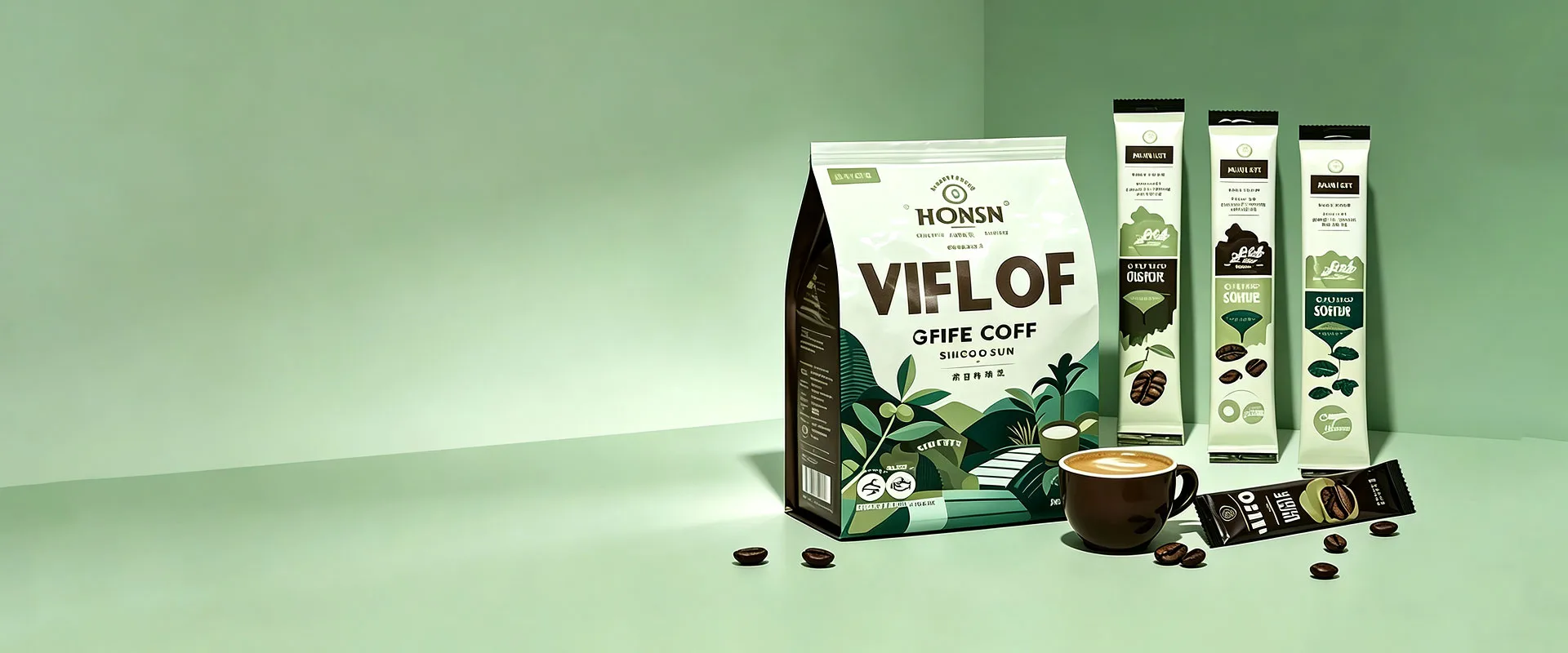
New to flexible packaging? Start here. This knowledge hub explains the terms, pouch types, specifications and buying steps behind custom pouches — written for first-time buyers, not engineers.
Four groups cover the terms you will meet in quotations, artwork files and specifications.
| Term | Definition |
| Pouch / Bag | A flexible container made from film and sealed on the edges; pouch usually refers to a pre-formed bag, bag to any flexible container. |
| Stand-up pouch | A pouch with a gusseted bottom that stands upright on the shelf, often with a zipper. |
| Flat bottom pouch | A pouch with a square, block-shaped bottom that stands very stably; also called block-bottom pouch. |
| Side gusset pouch | A bag with folded side panels that expands as it is filled; common for large pet food and coffee bags. |
| Spout pouch | A stand-up pouch with a plastic screw-cap spout for liquids, gels and refill packs. |
| Retort pouch | A heat-resistant pouch that survives retort sterilization (high temperature and pressure) for shelf-stable wet food. |
| Vacuum pouch | A high-barrier pouch that holds a vacuum; the film clings tightly to the contents. |
| Pillow pouch | The classic snack bag: a tube sealed flat at both ends with crimped seals. |
| Eight-side seal pouch | A box-shaped pouch with reinforced corner seals, offering a rigid retail look. |
| Window pouch | A pouch with a transparent panel so customers can see the product inside. |
Four groups cover the terms you will meet in quotations, artwork files and specifications.
| Term | Definition |
| PE (Polyethylene) | The most common heat-seal layer; soft, flexible and moisture-resistant. |
| PET (Polyester) | A strong, clear outer film that gives stiffness and print surface. |
| Aluminum foil | The strongest barrier layer against oxygen, light and moisture. |
| VMPET | PET film coated with a thin metal layer; a metallic look with good barrier at lower cost than foil. |
| EVOH | A high oxygen-barrier resin, often buried inside laminates to protect it from moisture. |
| Lamination | Bonding two or more film layers together with adhesive to combine their properties. |
| Coextrusion | Extruding several polymer layers at once in one process, without adhesive. |
| Barrier | The ability of a structure to block gases, moisture, light or aroma. |
| MVTR | Moisture vapor transmission rate — how much water vapor passes through a film per day. |
| OTR | Oxygen transmission rate — how much oxygen passes through a film per day; key for freshness. |
Four groups cover the terms you will meet in quotations, artwork files and specifications.
| Term | Definition |
| Gravure printing | Rotogravure: engraved cylinders carry ink; best for long runs, fine gradients and metallic inks. |
| Flexo printing | Flexography: flexible raised plates print with water or solvent inks; good for medium runs and quick changes. |
| CMYK | Four process colors (cyan, magenta, yellow, black) printed together to build full-color images. |
| Spot color | A pre-mixed ink matched to a Pantone reference for a brand color. |
| White ink | Printed on transparent or metallic film to create opacity and brighten colors. |
| Dieline | The 2D layout drawing of the pouch structure with dimensions, seals and fold lines. |
| Seal strength | The force a heat seal resists before opening; critical for shipping and handling. |
| Shelf life | How long the product stays acceptable inside the packaging under stated conditions. |
Four groups cover the terms you will meet in quotations, artwork files and specifications.
| Term | Definition |
| RFQ | Request for quotation — the document that starts a sourcing conversation. |
| MOQ | Minimum order quantity; differs by pouch type, structure and printing. |
| Sample / Sampling | A physical pre-production sample to approve color, structure and print. |
| Lead time | Production time: Ecopak samples 3-5 working days, mass production 15-25 working days. |
| FOB / CIF / DDP | Incoterms defining who pays freight and insurance: Free On Board, Cost Insurance Freight, Delivered Duty Paid. |
| COA | Certificate of Analysis — batch-level test results shipped with the goods. |
| Trade Assurance | Alibaba.com buyer protection covering quality and shipping commitments. |
| Customs clearance | The process of declaring goods to customs in the destination country. |
Choose lamination when your pouch needs surface protection or a specific gloss, matte or soft-touch feel. On flexible packaging the outer film layer is part of the structure, so the choice affects protection, printing contrast and sealing behaviour together.
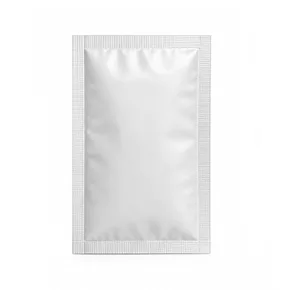
Best for: Powders, strips, single portions
Key point: Lowest cost flat format
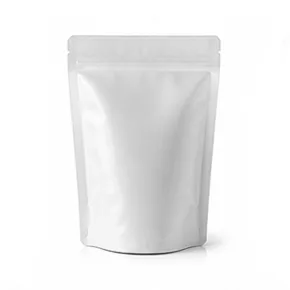
Best for: Snacks, coffee, pet treats
Key point: Shelf presence with resealable zipper option
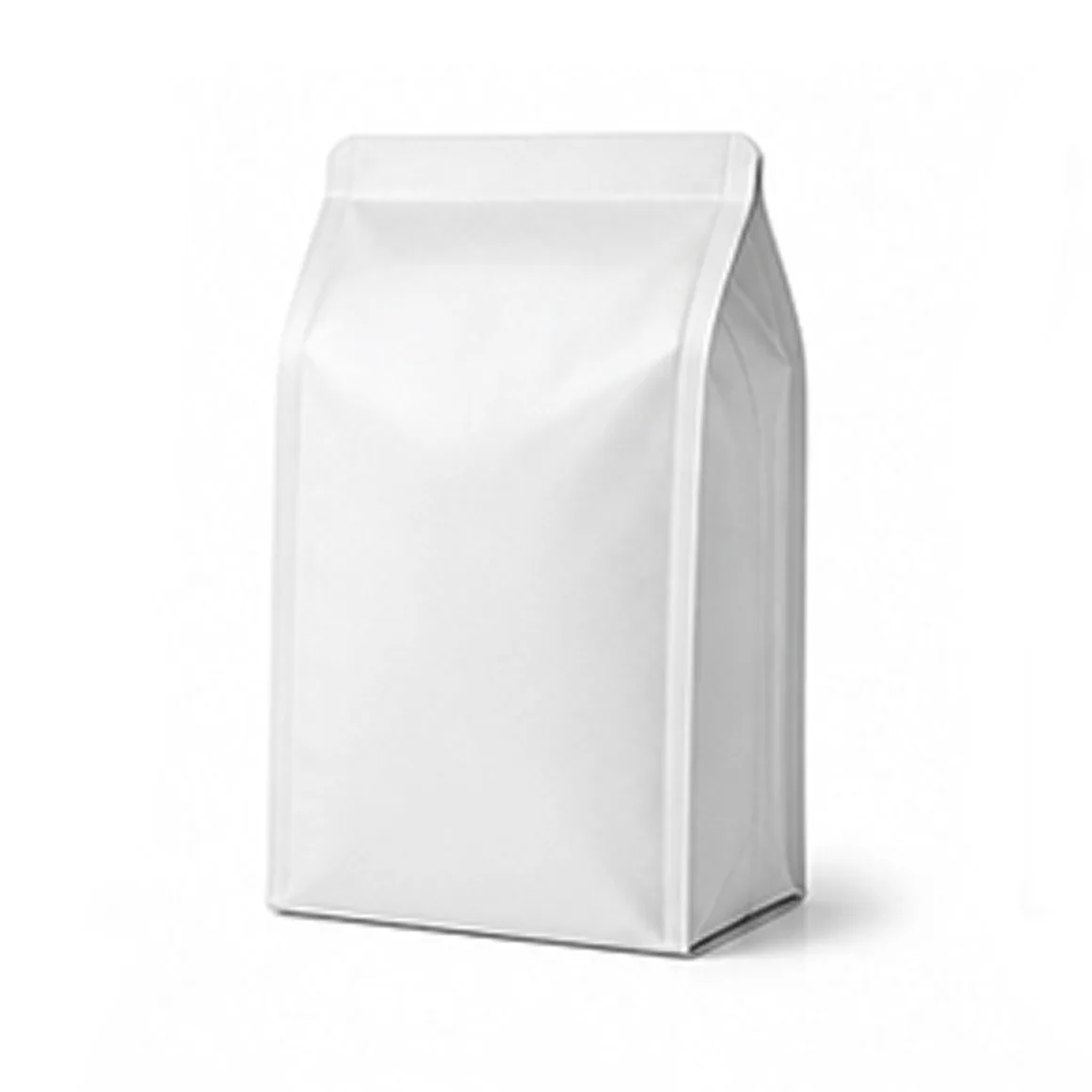
Best for: Premium coffee, large portions
Key point: Stable block bottom, strong shelf stand
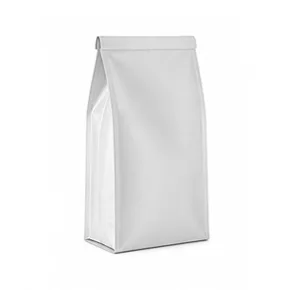
Best for: Pet food, heavy fills
Key point: Expands with volume, efficient storage
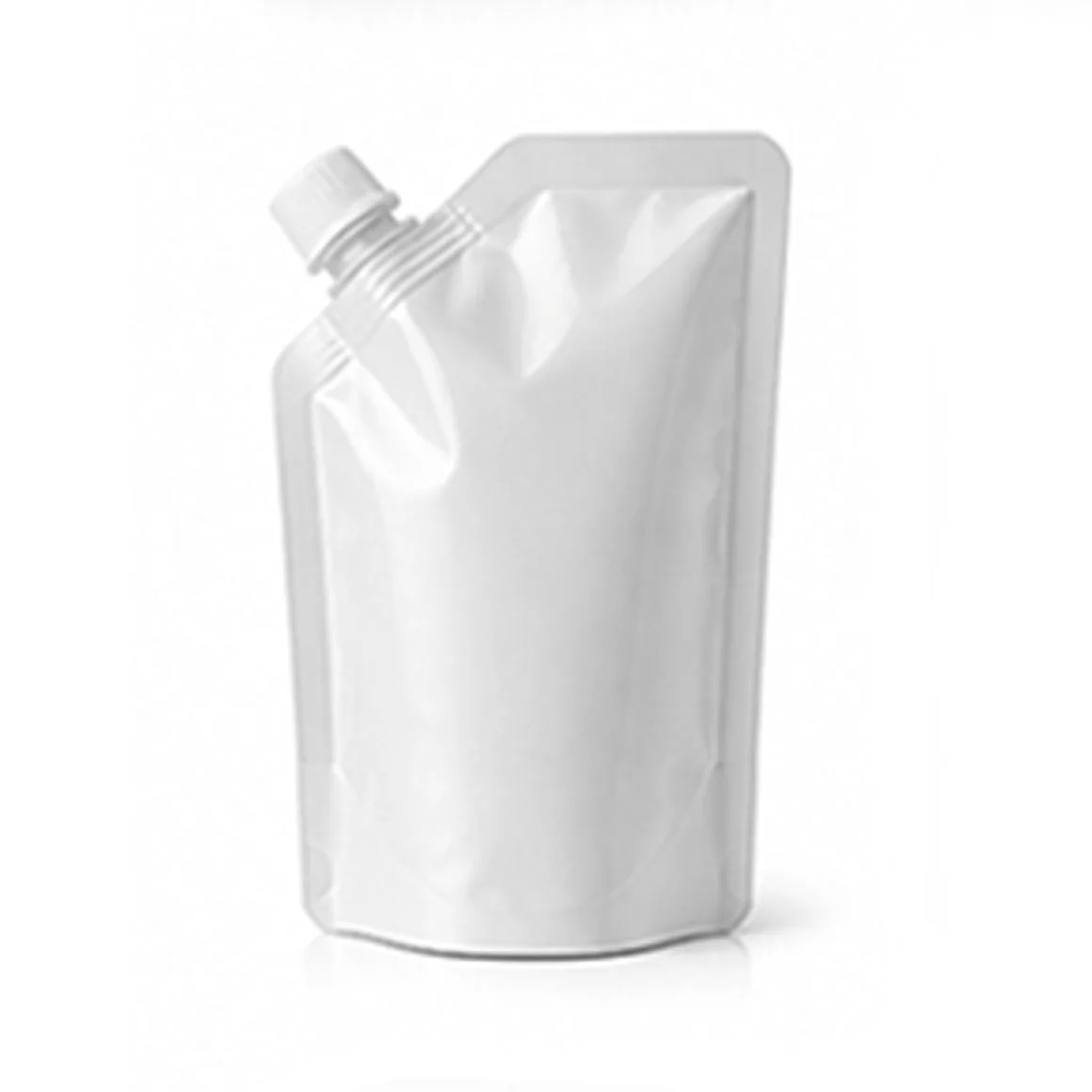
Best for: Liquids, gels, refill packs
Key point: Clean pouring with screw cap
Best for: Wet food, ready meals
Key point: Withstands high-temperature sterilization
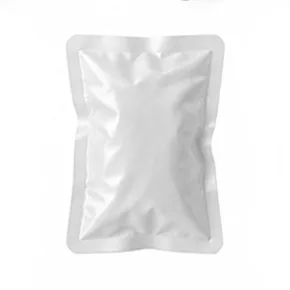
Best for: Meat, cheese, dried goods
Key point: Tight vacuum cling protects freshness
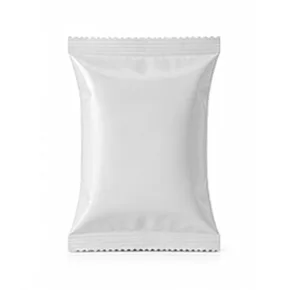
Best for: Chips, snacks, lightweight fills
Key point: Classic crimped-end snack format
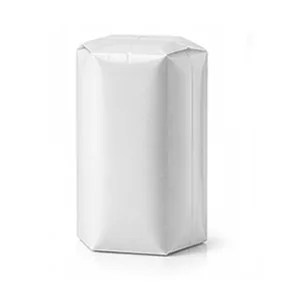
Best for: Retail premium products
Key point: Boxy rigid look with strong corners
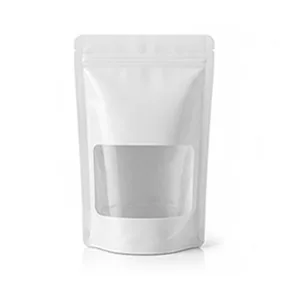
Best for: Foods sold on visibility
Key point: Transparent panel shows the product
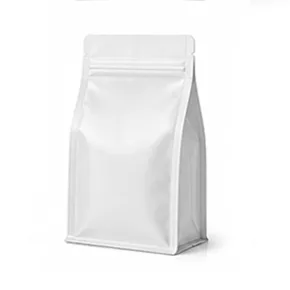
Best for: Resealable bulk products
Key point: Side gussets plus zipper for reuse
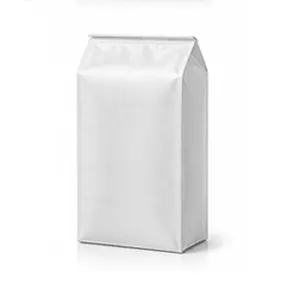
Best for: Compact retail packs
Key point: Boxy shape, space-efficient
Typical size ranges and thickness concepts to help you read a quotation.
Freshness is a race against four enemies: oxygen, moisture, light and aroma loss. Barrier packaging slows all four down.
Oxygen oxidizes fats, oils, vitamins and colors — the main cause of rancidity and browning. Aluminum foil blocks nearly all oxygen; high-barrier films like EVOH and coated VMPET block most of it.
Moisture exchange goes both ways: dry products absorb humidity and clump, frozen products lose moisture as ice crystal sublimation. The inner PE layer and overall structure control moisture vapor transmission.
UV and visible light degrade vitamins, flavors and colors. Foil and metallized layers block light; white ink layers also reduce light transmission on transparent films.
Aroma molecules are small and escape easily through poor barriers. A coffee bag that smells like coffee on the shelf is a bag losing aroma. Barrier layers keep the smell inside.
Three processes print on film. Each has a strength, and the right choice depends on quantity, artwork and budget.
| Process | How it works | Best for | Consider |
| Gravure | Engraved chrome cylinders carry ink onto film | Long runs, fine gradients, metallic inks, high saturation | Cylinder engraving cost, longer setup |
| Flexo | Flexible raised plates transfer ink via anilox roller | Medium runs, quick changeovers, water-based inks | Ink coverage limits on large solids |
| Digital | Inkjet prints directly without cylinders or plates | Short runs, variable data, prototypes | Higher per-unit cost at scale, limited special inks |
Ecopak runs 12-color gravure and 8-color flexo lines, so the process is matched to your job — not forced onto one line.
From RFQ to Delivery, we streamline every procedure to deliver reliable products with efficient response and strict quality control.
We confirm structure, ink coverage and feasibility
Within 24 hours
Pantone-matched sample with your artwork
3–5 Working days
Approve color, structure and finish via physical sample
1–3 Days
Cylinders/plates, printing, laminating, slitting, bagmaking
15–25 Working days
Batch inspection, documents, loading
Per schedule
Not every product needs a rigid package. The decision changes with weight, protection needs, logistics and shelf presence.
| Consideration | Flexible pouch | Rigid bottle | Carton box |
| Empty weight & shipping | Lightest, lowest freight | Heaviest | Heavy |
| Space when empty | Flat, compact | Bulky | Bulky |
| Barrier options | Tunable layers, foil, metallized | Bottle wall, cap seal | Needs inner liner |
| Shelf presence | Stand-up formats available | Strong shape | Strong shape |
| Cost per unit (high volume) | Low | Medium | Medium |
| Resealability | Zipper or spout | Cap | Folding closure |
Flexible packaging wins on logistics & design flexibility; rigid on perceived strength. Many brands combine them: pouch in carton, refill pouch for bottle.
INQUIRY