Hot & Cold Thermal Bags, Insulated Mailers & Cold Chain Delivery Packaging

Fertilizer, Pesticide & Agrochemical Packaging

Cleaner, Laundry & Air Care Packaging

Custom Medical Packaging Solutions

Protective Structures, Inserts and Retail Packs

Custom Protein Powder Pouches, Vitamin Stick Packs & Nutrition Bar Bags

Cosmetics, Fragrance and Skincare Packaging

Takeout, Bakery and Beverage Packaging

Kibble, treat & wet food packaging
From Huizhou to 40+ Countries: How Ecopack Keeps Shipments On Time

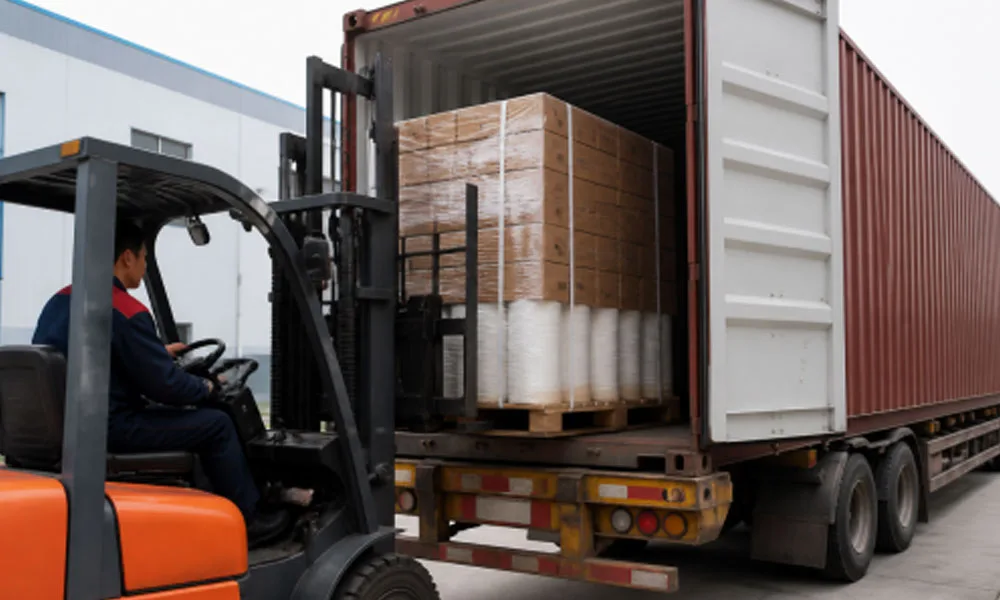
Fig.1 A forklift loads film rolls and cartons into a sea container at the Ecopack dock
A flexible packaging order is a promise with a date on it. Brands plan launches, fill lines and inventory around a shipment date, so a late container is not an inconvenience — it is a business event. Ecopack ships to more than 40 countries with an on-time record of 100%, and that record is built in the factory, not at the port.
Step 1: Production Planning Starts at Order Review
Every order is reviewed for structure, ink coverage, cylinder status and capacity before it enters the schedule. The goal is to find conflicts on paper, before they become delays on the floor.
Step 2: Quality Gates Along the Line
Incoming material, printing, lamination, slitting and bag-making each have checkpoints. Two full-time QC inspectors sample against AQL criteria, and every batch keeps records linking rolls to raw materials — so a quality question never blocks a shipment for long.
Step 3: Loading That Protects the Cargo
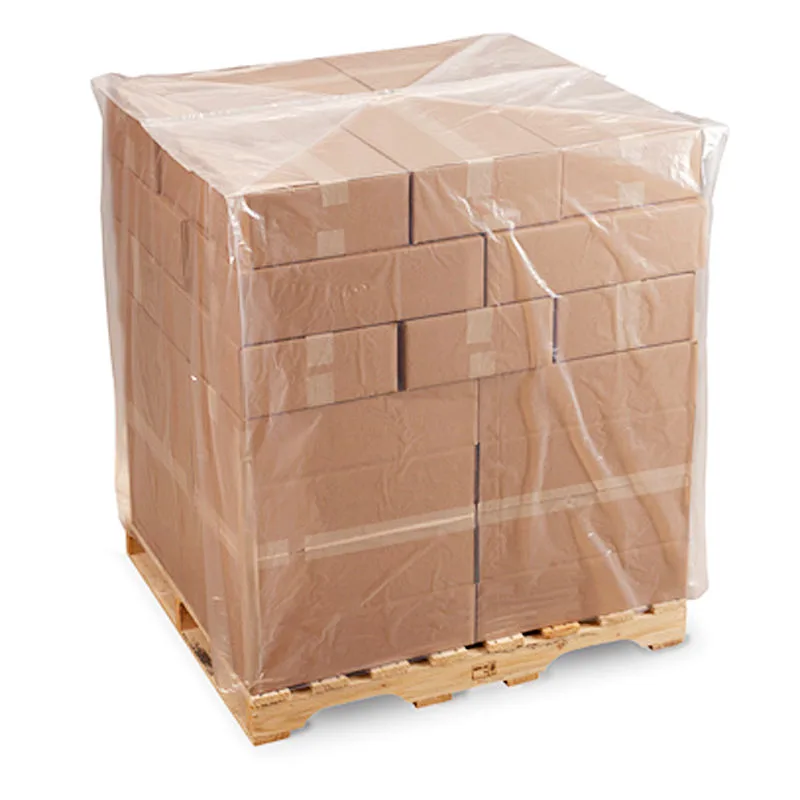
Film rolls are wound tight, cartons are palletized and shrink-wrapped, and loads are arranged so that heavy cartons sit low and rolls are supported against movement. The loading bay is where damage prevention is decided.
Step 4: Documentation That Travels With the Goods
Certificate of Origin, Form A, fumigation certificates and commercial documents are prepared in parallel with production, not after it. For 40+ destination markets, the export team maintains checklists per country so paperwork arrives with the shipment, not behind it.
The result: samples in 3-5 working days, mass production in 15-25 days, and a loading bay that empties on schedule. That is how a factory in Huizhou keeps warehouses in 40 countries stocked.
Flat, Gusseted or Square Bottom: Picking a Cooler Bag by What Goes In
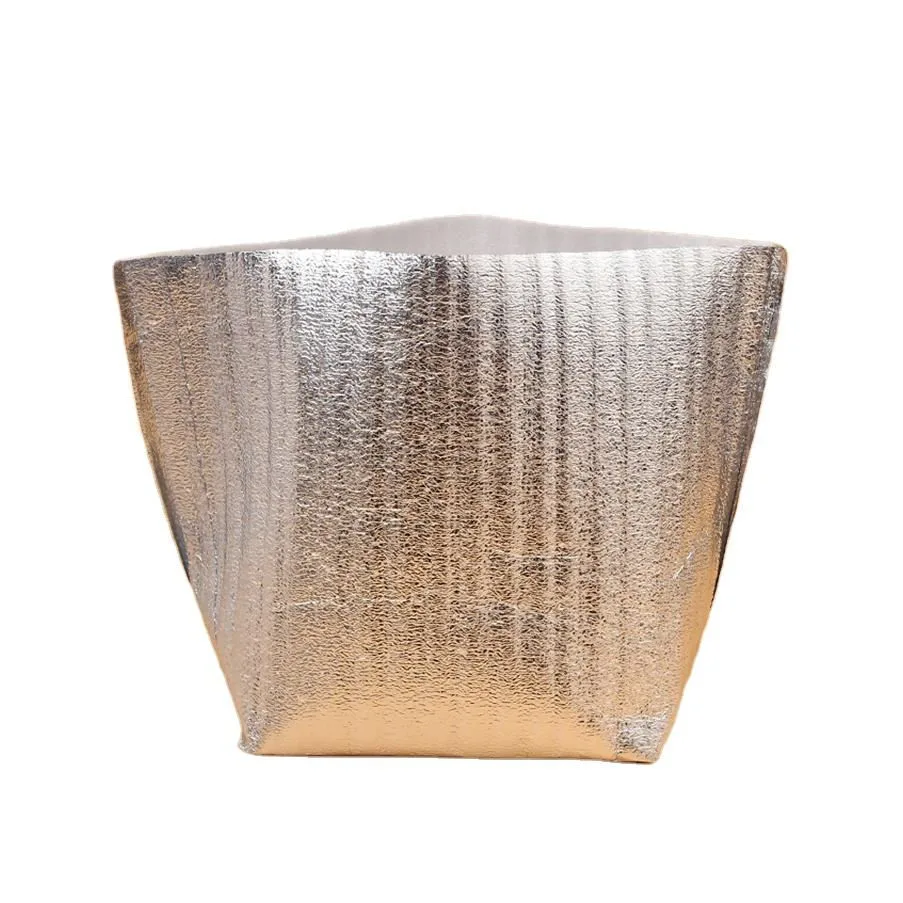
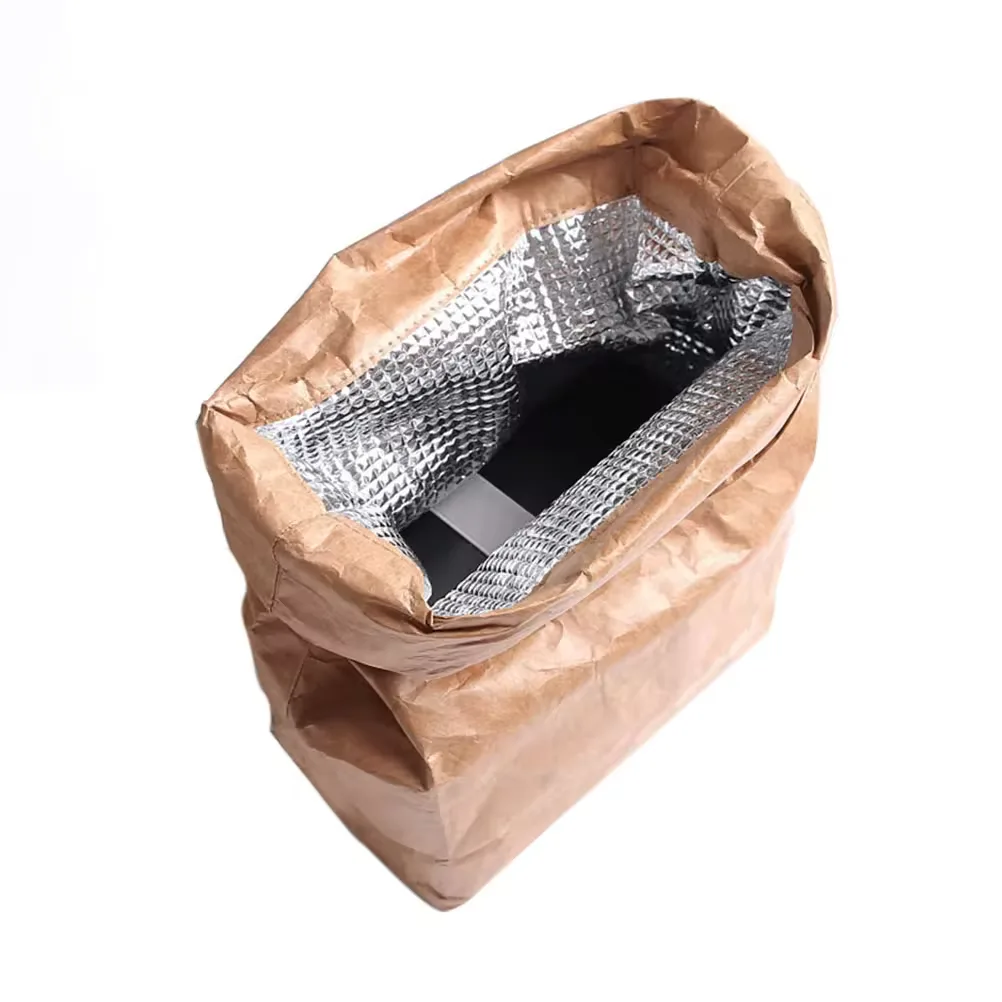
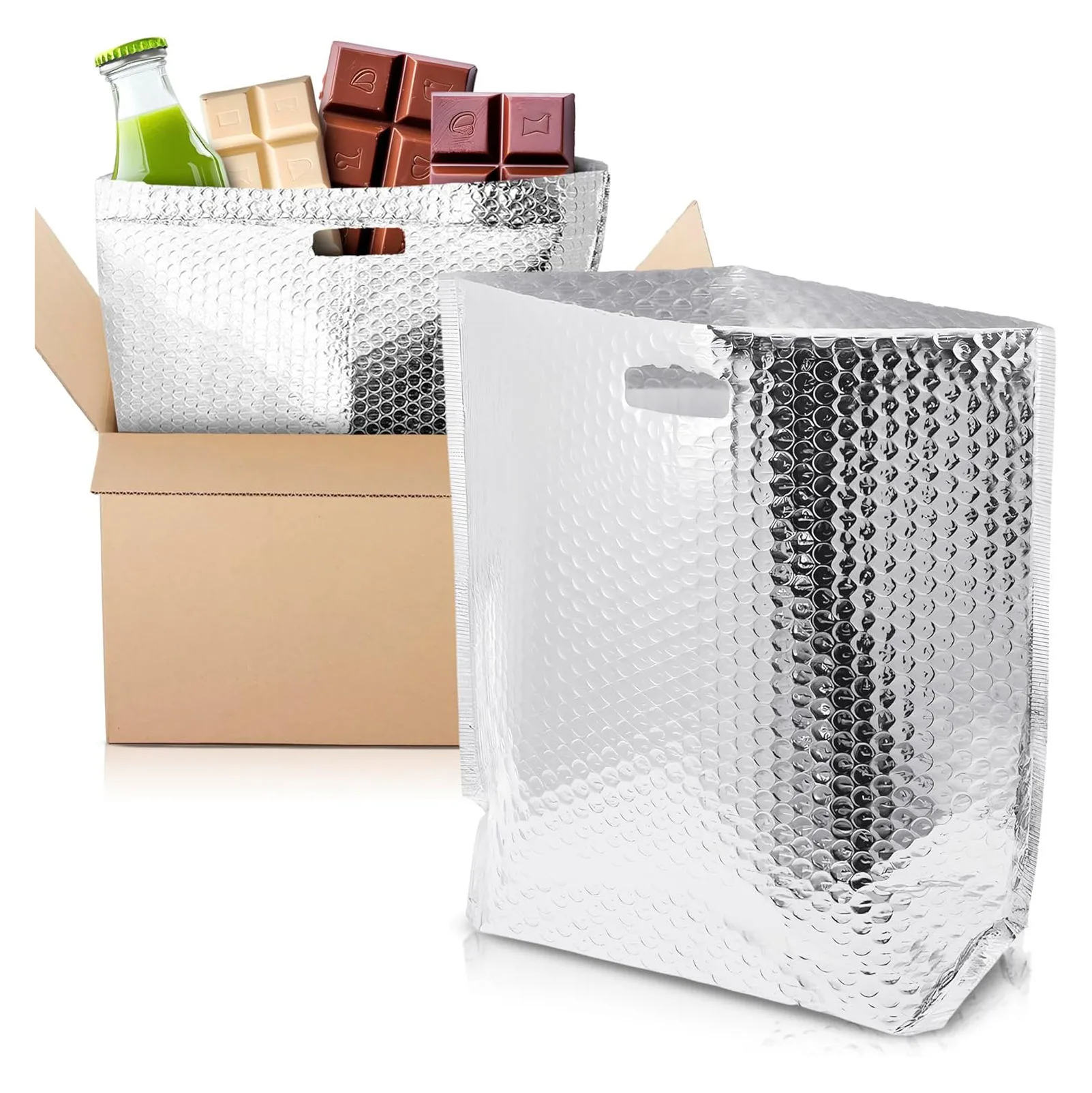
The base decides whether a bag can be loaded one-handed. Pick by load: trays want a square bottom, items that must nest want a bottom gusset, flat-packed parcels want a pouch.
Press-to-Close vs Slider Zip on a Pharmacy Pouch
Press ribs are cheaper and have no parts to lose; a slider closes in one pass and does not rely on even thumb pressure. Pick by how many times the pouch is opened.
Meal Kit Insulated Packaging: What the Pouch Actually Has to Do
A flat pouch has no volume of its own, so the tray you put in decides how much free air rides along. Both failures are quiet at the packing bench: too small tests the weld, too large leaves a pocket that circulates.
Thermal Mailer Specification: What a Size List Leaves Out
A size list gives you width and height. A specification gives you the usable opening, the core depth, the closure position, the print margin, the carton count and the AQL – the six lines that decide whether the bag works on your line.
INQUIRY