Custom packaging ·7-day sampling - Global delivery support
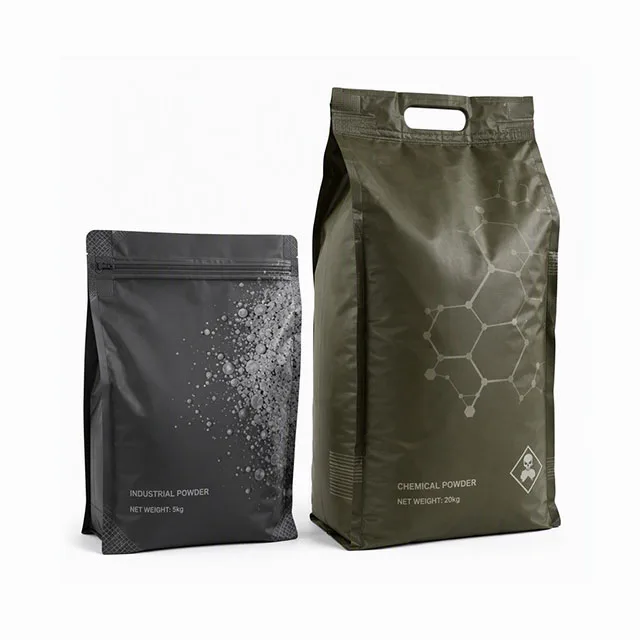
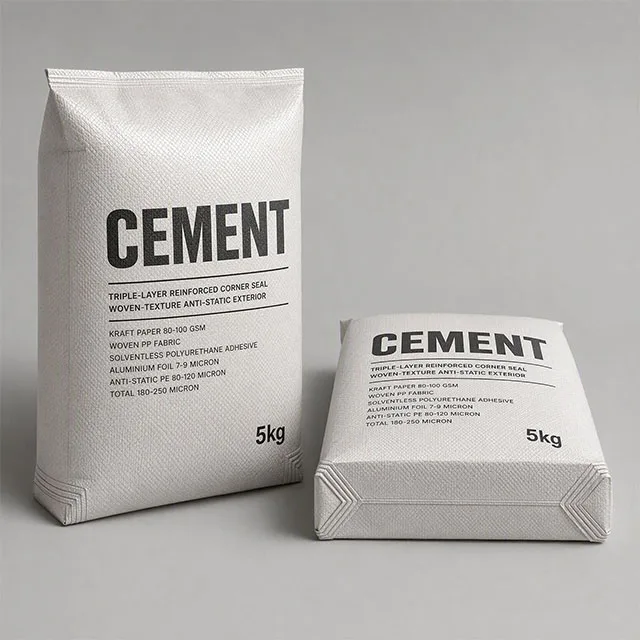
Industrial Heavy-Duty Bulk Powder Packaging Bag with Triple-Layer Reinforced Corner Seal and Woven-Texture Anti-Static Exterior for 25kg Chemical and Mineral Powders

Industrial Heavy-Duty Bulk Powder Packaging Bag with Triple-Layer Reinforced Corner Seal and Woven-Texture Anti-Static Exterior for 25kg Chemical and Mineral Powders

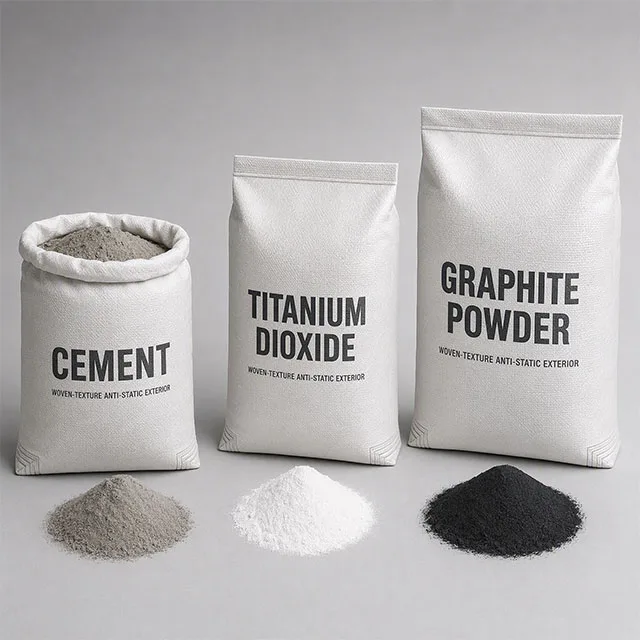
The industrial heavy-duty bulk powder packaging bag operates at the mechanical limit of flexible packaging: it must contain 25 kilograms of dense powder — cement, titanium dioxide, calcium carbonate, graphite, or chemical intermediates — and survive the most brutal handling conditions in the logistics chain, including vertical drops from 1.2 meters onto concrete floors (simulating a conveyor-to-pallet fall), vibration at 1G acceleration for 60 minutes (simulating truck transport), and stacking under 250kg of top-load for 48 hours (simulating warehouse pallet stacking four layers high). A failure at any point in this chain releases 25kg of powder into the environment — a contamination event that can shut down a production line, trigger OSHA or HSE reporting obligations, and cost tens of thousands of dollars in cleanup, lost product, and regulatory penalties.

Color

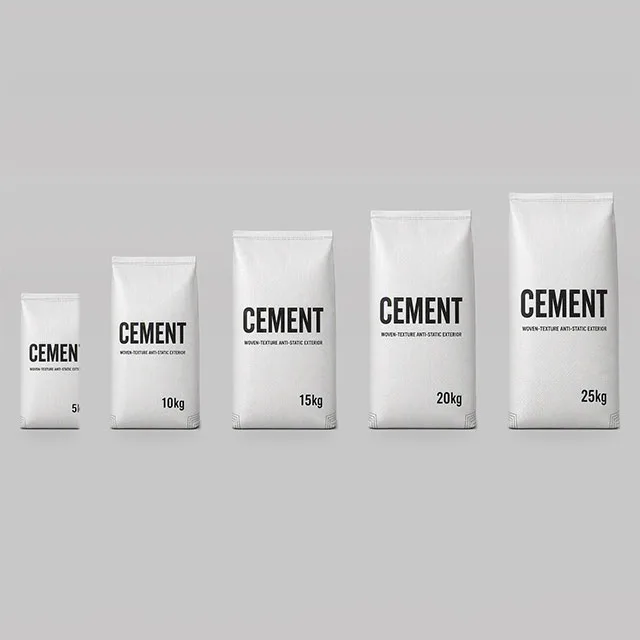
Size

  • 5kg
  • 10kg
  • 15kg
  • 20kg
  • 25kg
  • Custom Size Available

Shipping

Express (DHL/FedEx/UPS), Sea Freight, Air Freight

Payment Terms

T/T (Bank Transfer), L/C at Sight, PayPal, Western Union, Alibaba Trade Assurance

Lead Time

Samples: 3-5 working days | Mass Production: 15-25 working days

Samples

Contact us for FREE samples
Contact Us WhatsApp

Product Description

Sustainable Functional Components: Bio-Based Degassing Valve, PLA Viewing Window, and Reclosable Tin-Tie Closure

The industrial heavy-duty bulk powder packaging bag operates at the mechanical limit of flexible packaging: it must contain 25 kilograms of dense powder — cement, titanium dioxide, calcium carbonate, graphite, or chemical intermediates — and survive the most brutal handling conditions in the logistics chain, including vertical drops from 1.2 meters onto concrete floors (simulating a conveyor-to-pallet fall), vibration at 1G acceleration for 60 minutes (simulating truck transport), and stacking under 250kg of top-load for 48 hours (simulating warehouse pallet stacking four layers high). A failure at any point in this chain releases 25kg of powder into the environment — a contamination event that can shut down a production line, trigger OSHA or HSE reporting obligations, and cost tens of thousands of dollars in cleanup, lost product, and regulatory penalties.

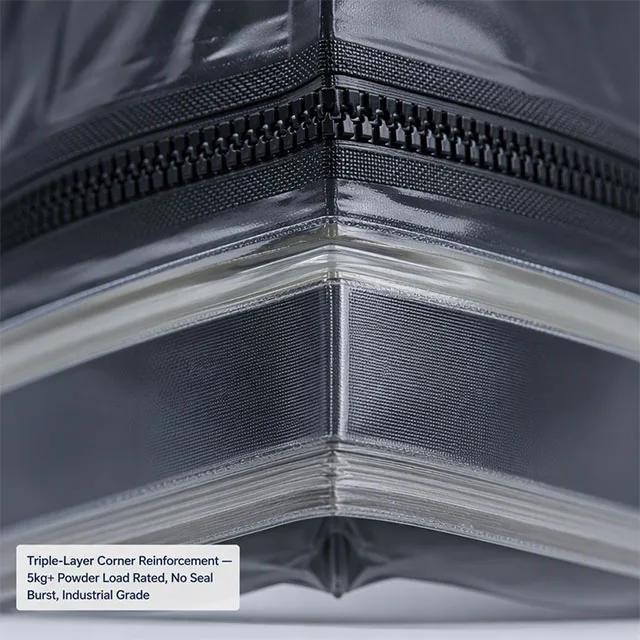
The corner seal is the single highest-stress location on a powder bag because it is subjected to a combination of three simultaneous forces: the outward pressure from the powder’s angle of repose (typically 30-45° for most industrial powders, creating a triangular force distribution with maximum pressure at the bottom corners), the peeling force from the bag’s tendency to deform from a rectangular to a cylindrical cross-section under load (transferring all structural tension to the four corner seals), and the impact force when the bag is dropped (concentrating energy at the point where the corner contacts the ground first). Standard single-layer corner seals, adequate for 1-5kg consumer bags, fail progressively at the 15-25kg range through a mechanism called “seal peel propagation” — a microscopic delamination at the inner corner of the seal that grows with each handling cycle until it reaches the outer edge of the seal and the bag bursts.

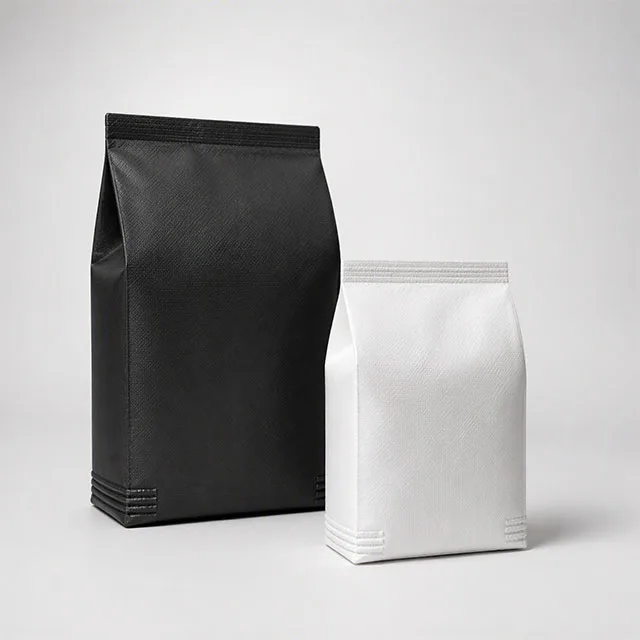
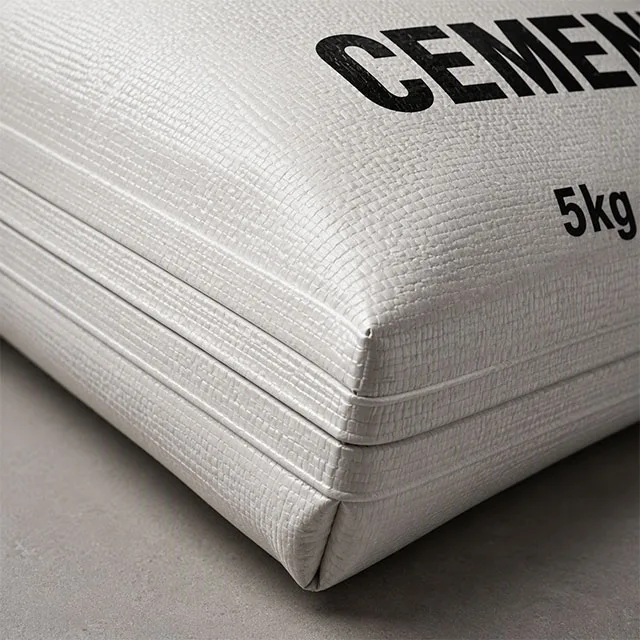
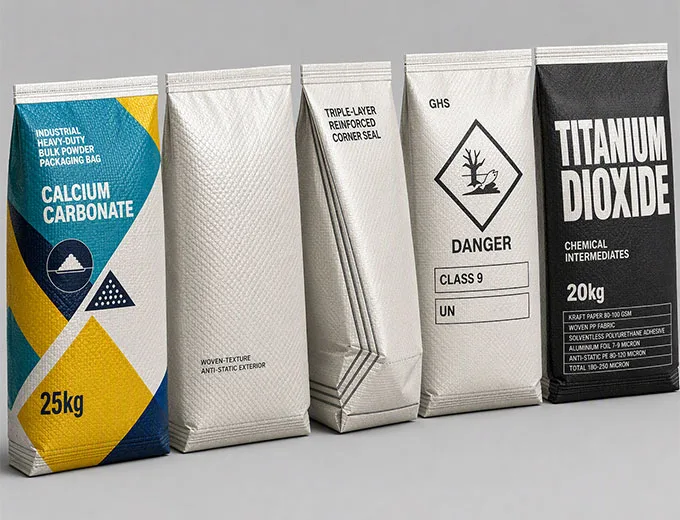
Our triple-layer reinforced corner seal addresses this through three independent seal lines nested concentrically: the inner seal (2mm wide) provides the primary containment; the middle seal (3mm wide, separated by a 1mm unsealed gap) acts as a secondary containment that catches any product that breaches the inner seal; the outer seal (4mm wide, separated by a 2mm gap) provides the final containment barrier and structural reinforcement. The three seals together create a 12mm-wide reinforced corner that distributes stress across a wider area, reducing the peak stress at any single point by approximately 60% compared to a single 8mm seal of equivalent total width — because the stress concentration at the inner corner does not propagate across the unsealed gaps to the next seal line. The seal jaw is machined from hardened tool steel (HRC 58-62) with the triple-line profile ground to ±0.05mm tolerance, and the jaw temperature is individually controlled in three zones (top/middle/bottom) to compensate for the fact that the bottom of the bag — where the powder load rests — conducts heat away from the seal area faster than the top.

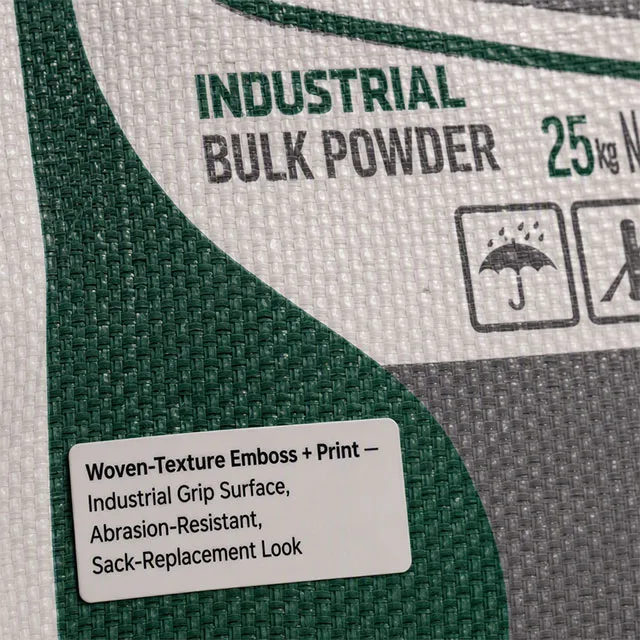
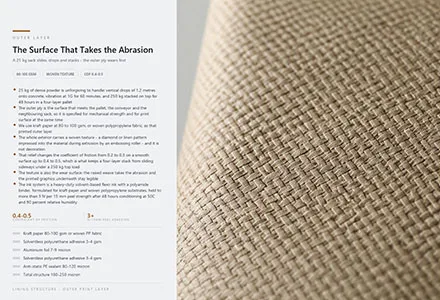
The outer layer features a woven-texture embossing — a diamond or linen pattern impressed into the film during extrusion by an embossing roller that creates a three-dimensional surface texture. This texture serves two functions: it increases the coefficient of friction (from 0.2-0.3 for smooth film to 0.4-0.5 for embossed film) to prevent bags from sliding during pallet stacking, and it provides a wear surface that accepts scuffing and abrasion during transport without penetrating to the printed graphics beneath — the raised pattern takes the abrasion while the graphic ink in the recessed areas is protected. Applications include cement, mortar, grout, titanium dioxide, calcium carbonate, graphite powder, carbon black, and chemical


Product Description

Specifications

Customizable Color & Size Options for Every Market Need
Color Size
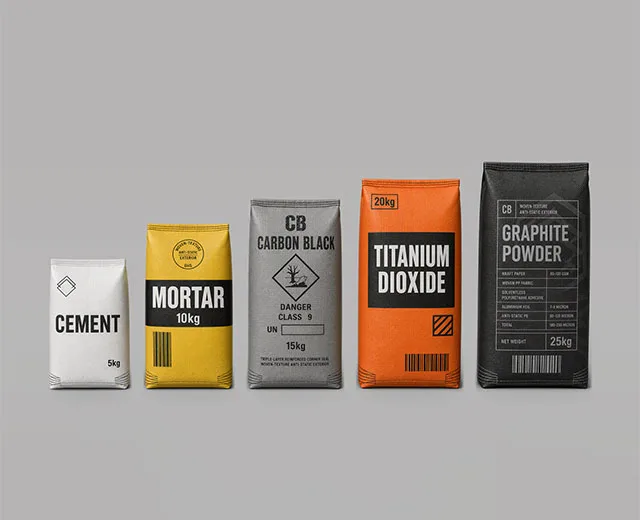
Heavy-Duty White 5kg
Industrial Yellow 10kg
Cement Grey 15kg
Safety Orange 20kg
Carbon Black 25kg
Custom Color Available Custom Size Available

Printing Process

Crafting the Coffee Story: Rotogravure Precision and Color Narrative on Kraft Paper
Printing Process

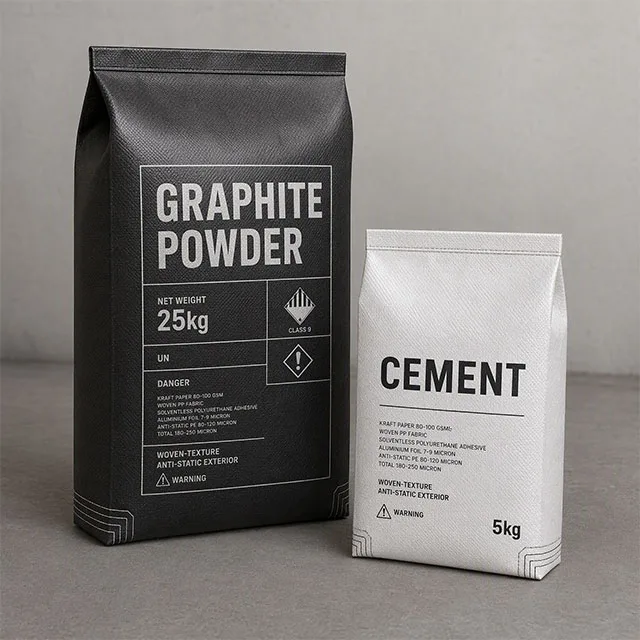
Printing on heavy-duty bulk powder bags serves functions far beyond brand identification: the printed information is a legal requirement for dangerous goods classification, workplace safety, and international transport. A 25kg bag of titanium dioxide or carbon black shipped internationally must carry the UN number (four-digit dangerous goods identifier), the proper shipping name, the hazard class label (Class 9 miscellaneous dangerous goods for many industrial powders), the GHS (Globally Harmonized System) hazard pictograms, and the net weight in both metric and imperial units. Missing or illegible dangerous goods markings result in shipment rejection at port — a $500-2,000 penalty per container plus demurrage charges of $100-300 per day while the container sits at the port awaiting resolution.

Our flexographic printing for bulk powder bags uses a heavy-duty solvent-based ink system formulated with a polyamide binder that provides the mechanical toughness required for the printed surface to survive the abrasion of bag-to-bag contact during transport — a test that simulates 1,000 cycles of linear abrasion at 1 kg pressure (ASTM D5264 Sutherland rub test) with a pass criterion of <50% ink transfer to the receptor surface. This ink system is designed for kraft paper and woven polypropylene substrates — the two dominant materials for bulk powder bags — with adhesion values exceeding 3 N/15mm peel strength even after 48-hour conditioning at 50°C and 90% RH (simulating container transport through tropical climates).

The GHS hazard communication elements are printed with an additional verification step beyond standard print QC: each printed bag batch is inspected using a GHS compliance vision system that checks (1) the hazard pictogram is present, correctly oriented (point-up for the diamond-shaped pictogram), and properly sized (minimum 15mm per side for packages 3-25 liters per GHS Annex 7), (2) the signal word (“DANGER” or “WARNING”) is present and in capital letters, (3) the hazard statements match the product’s Safety Data Sheet (SDS) Section 2, and (4) the precautionary statements include the required number of P-statements for the product’s hazard classification. This automated verification prevents the most common GHS compliance failure — a mismatch between the SDS and the printed label — which is a customs detention event in EU, US, and Australian ports.

Lining Decoration

Outer Layer

Outer Layer

Valve, Window and Tin-Tie
Middle Layer

Middle Layer

Metallised PLA Film
Contact Layer

Contact Layer

FSC Kraft Paper

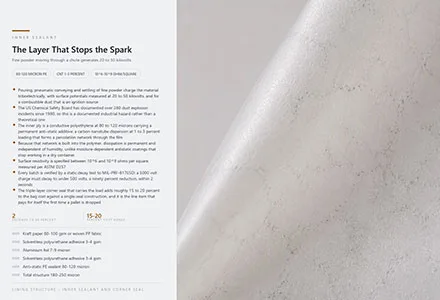
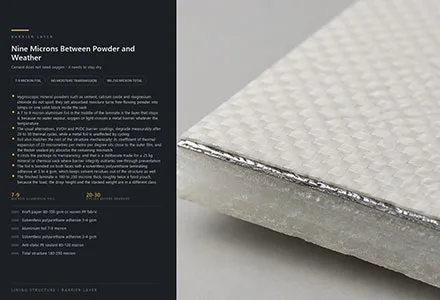
The lining structure of a heavy-duty bulk powder bag must address a hazard that is unique to powder packaging and is invisible until it causes a catastrophic failure: static electricity. The pneumatic conveying, pouring, and settling of fine powders generates triboelectric charges that can accumulate to voltages of 20-50 kV — voltages that produce visible sparks and, in the presence of combustible dust concentrations (carbon black, aluminum powder, flour, starch, many pharmaceutical powders), can trigger a dust explosion. The US Chemical Safety Board (CSB) has documented over 280 dust explosion incidents since 1980, many initiated by static discharge from plastic packaging.
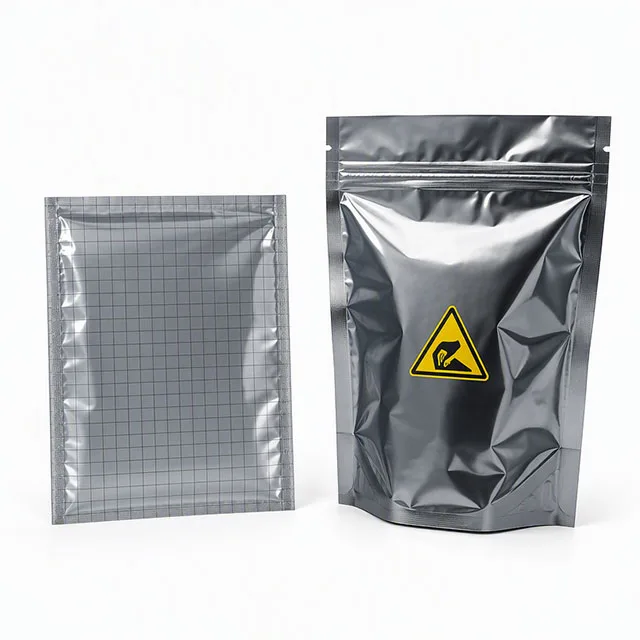
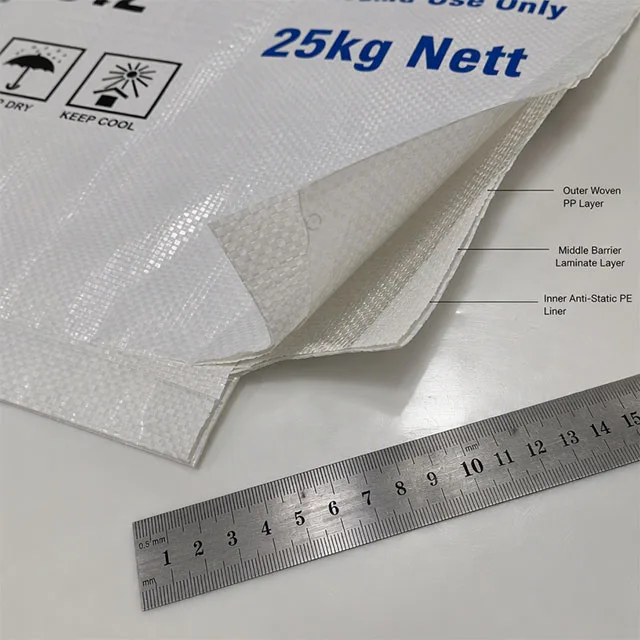
The anti-static solution is a multi-layer film structure where the inner layer is a conductive polyethylene containing a permanent anti-static additive — typically a carbon nanotube (CNT) dispersion at 1-3% loading that creates a percolation network (a continuous path of touching conductive particles) throughout the film. Unlike migratory anti-static agents that depend on humidity and deplete over time, the CNT network provides permanent, humidity-independent static dissipation with a surface resistivity of 10⁶-10⁹ ohms/square, measured per ASTM D257. The anti-static performance is verified on every production batch using a static decay test (MIL-PRF-81705D): a 5,000-volt charge applied to the film surface must decay to <500 volts (90% reduction) within 2 seconds — a failure on this test means the bag is rejected for use with combustible powders.

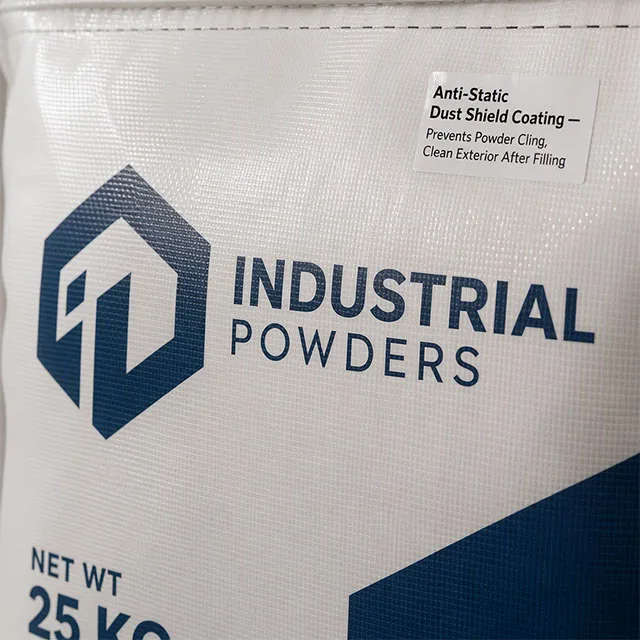
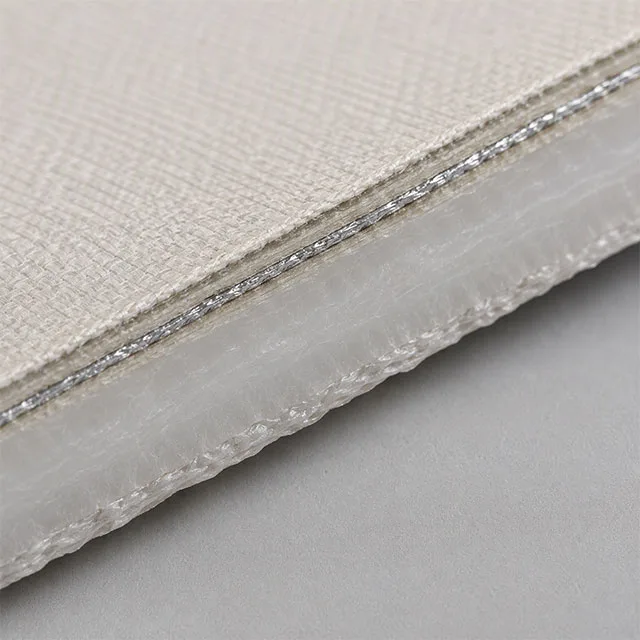
The complete structure for a 25kg powder bag is: outer printed layer (kraft paper 80-100 gsm or woven PP fabric) for mechanical strength and print surface; a laminating adhesive (solventless polyurethane, 3-4 gsm); a middle barrier layer of aluminum foil (7-9μm) for moisture protection — essential because many industrial powders (cement, calcium oxide, magnesium chloride) are hygroscopic and will hydrate/cake if moisture ingress occurs; a second laminating adhesive (3-4 gsm); and the anti-static inner PE sealant (80-120μm) with the CNT conductive network. The total structure thickness of 180-250μm — substantially thicker than the 80-110μm of food packaging pouches — reflects the mechanical demands of 25kg payload, and the triple-layer corner seal construction adds approximately 15-20% to the bag cost compared to a single-seal design, an investment that pays for itself in the first prevented burst incident.

Get In Touch With Us

Reach out for any inquiries, support, or to discuss how we can meet your industrial needs.
  • Address

    North Side Of Nanyi Road, Shiwan Town Science And Technology Park (10th Floor, Building 1, No. 13)

Contact Me

    You can upload a PDF or an image(max 5MB)

    INQUIRY