Hot & Cold Thermal Bags, Insulated Mailers & Cold Chain Delivery Packaging

Fertilizer, Pesticide & Agrochemical Packaging

Cleaner, Laundry & Air Care Packaging

Custom Medical Packaging Solutions

Protective Structures, Inserts and Retail Packs

Custom Protein Powder Pouches, Vitamin Stick Packs & Nutrition Bar Bags

Cosmetics, Fragrance and Skincare Packaging

Takeout, Bakery and Beverage Packaging

Kibble, treat & wet food packaging
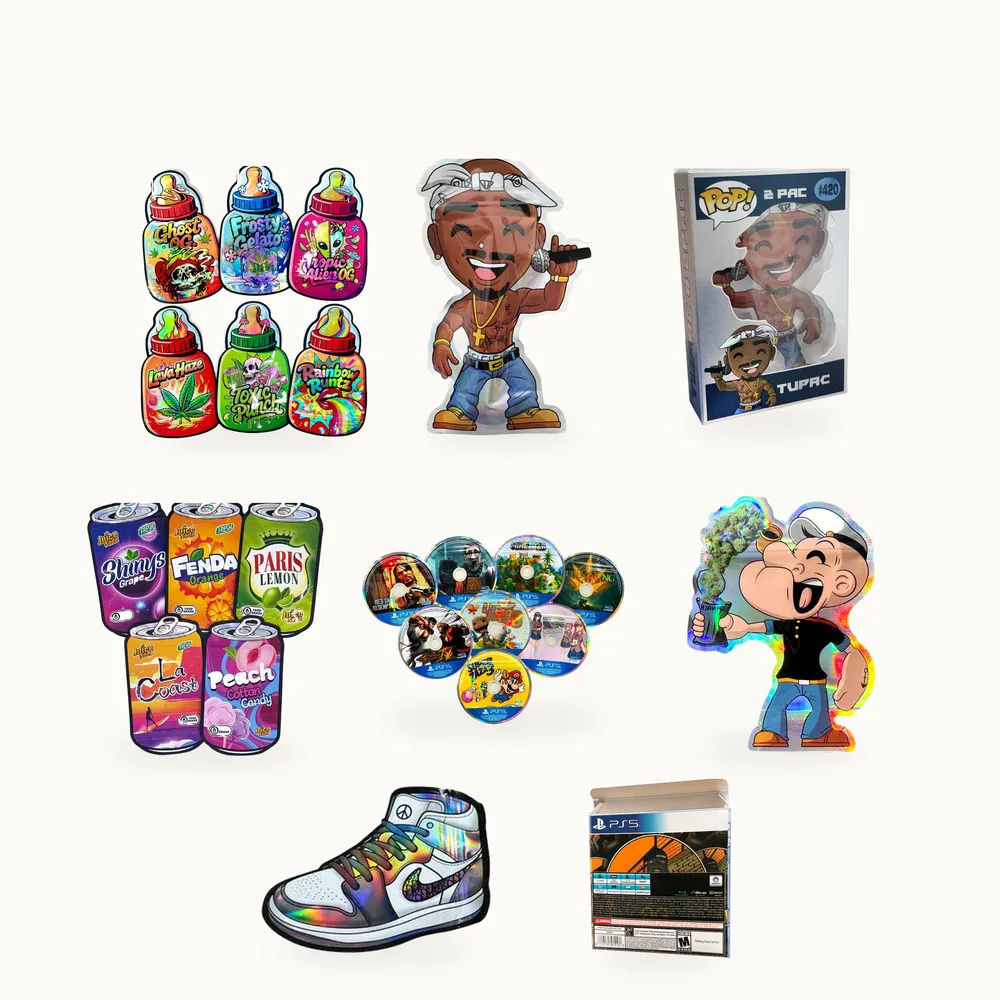
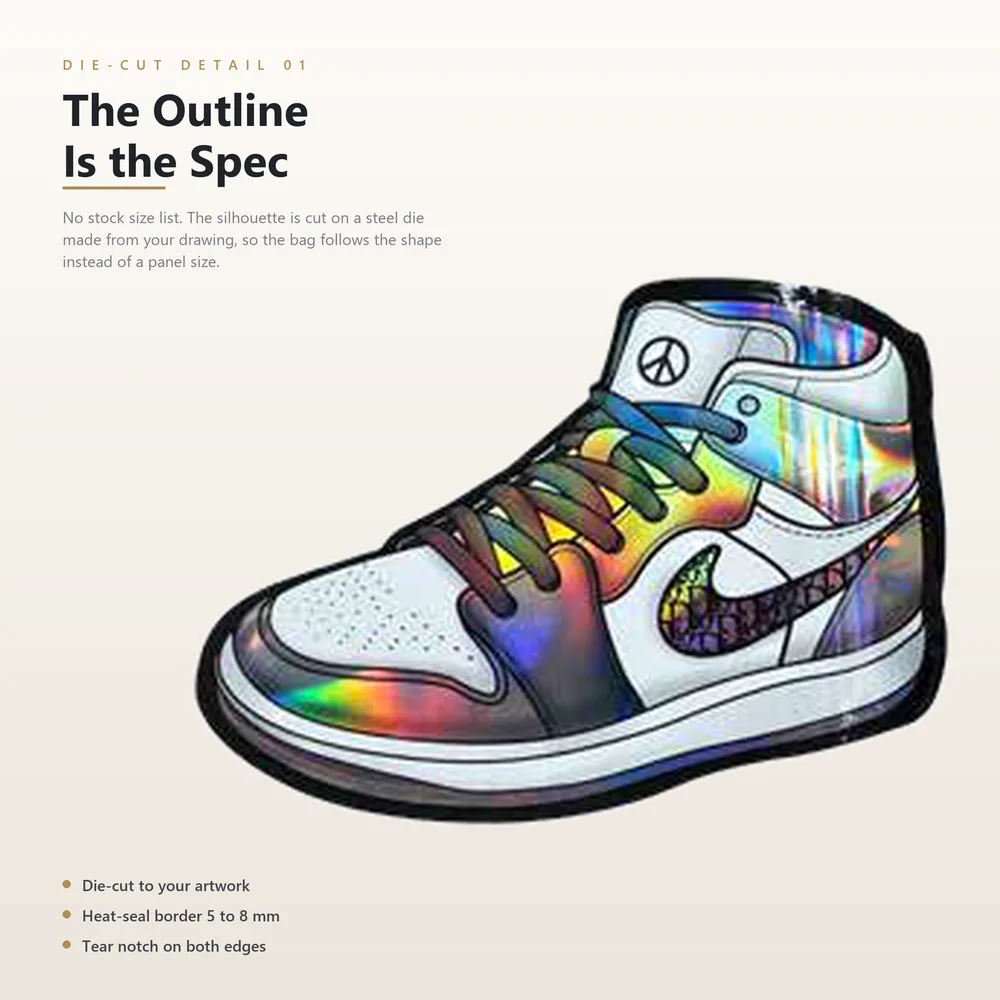
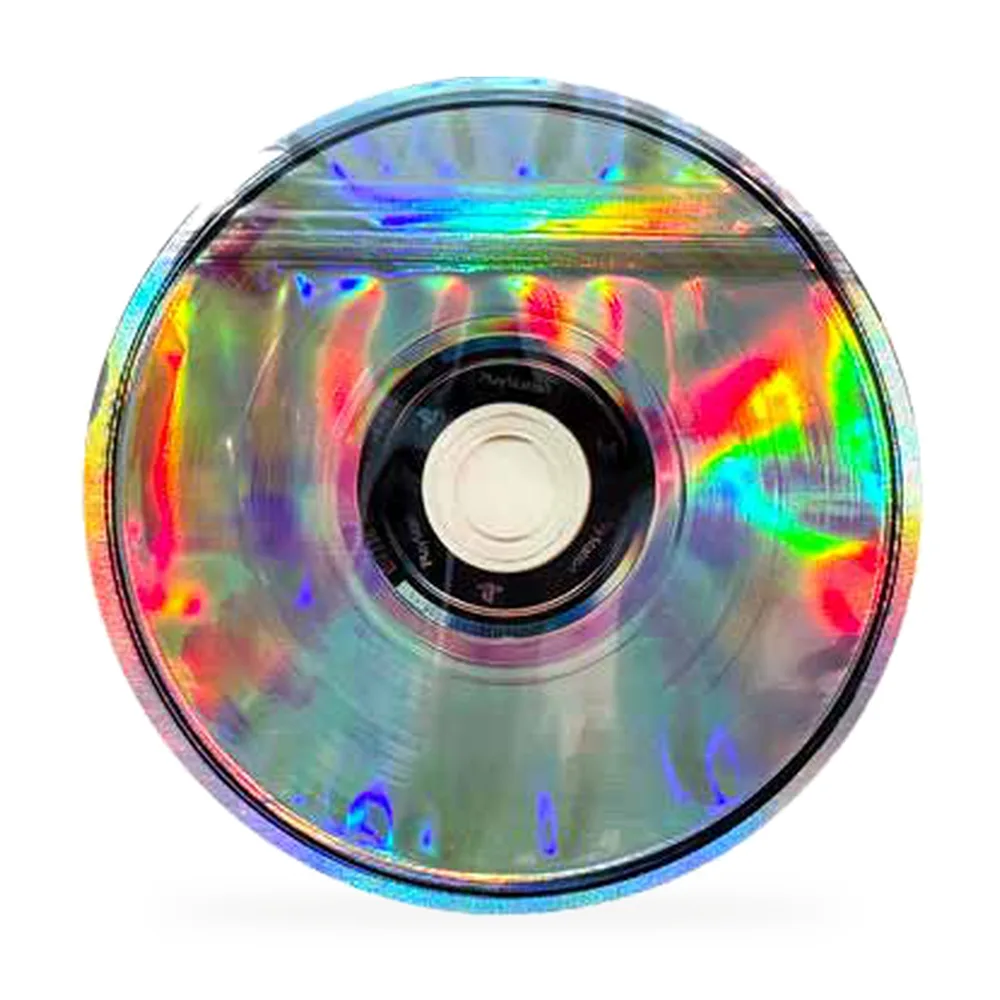
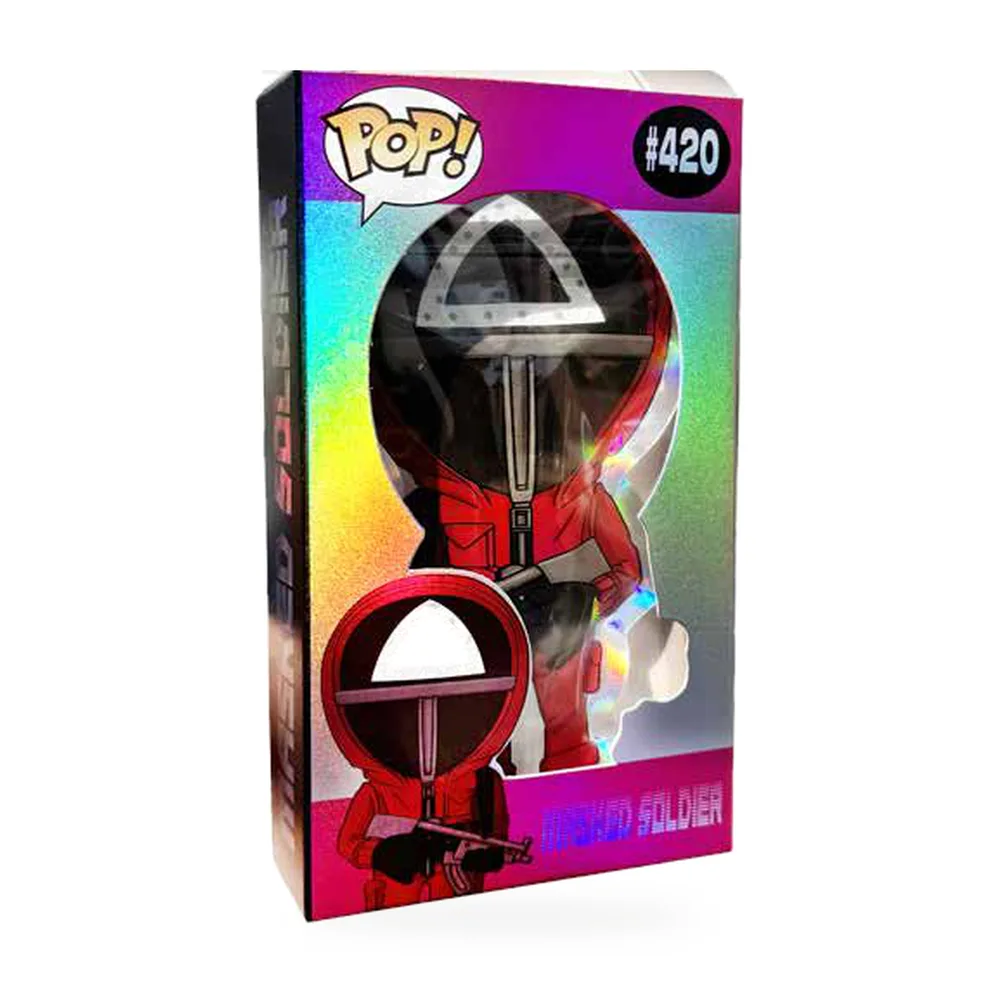
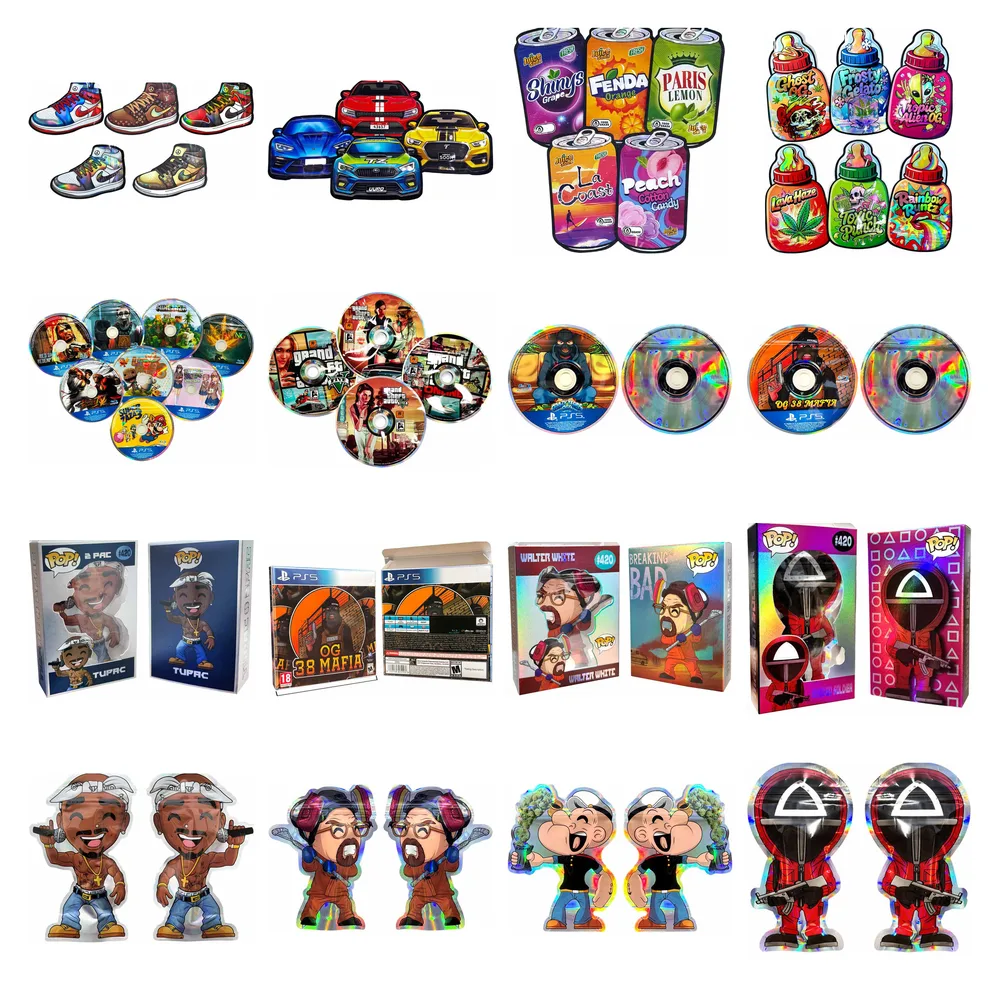
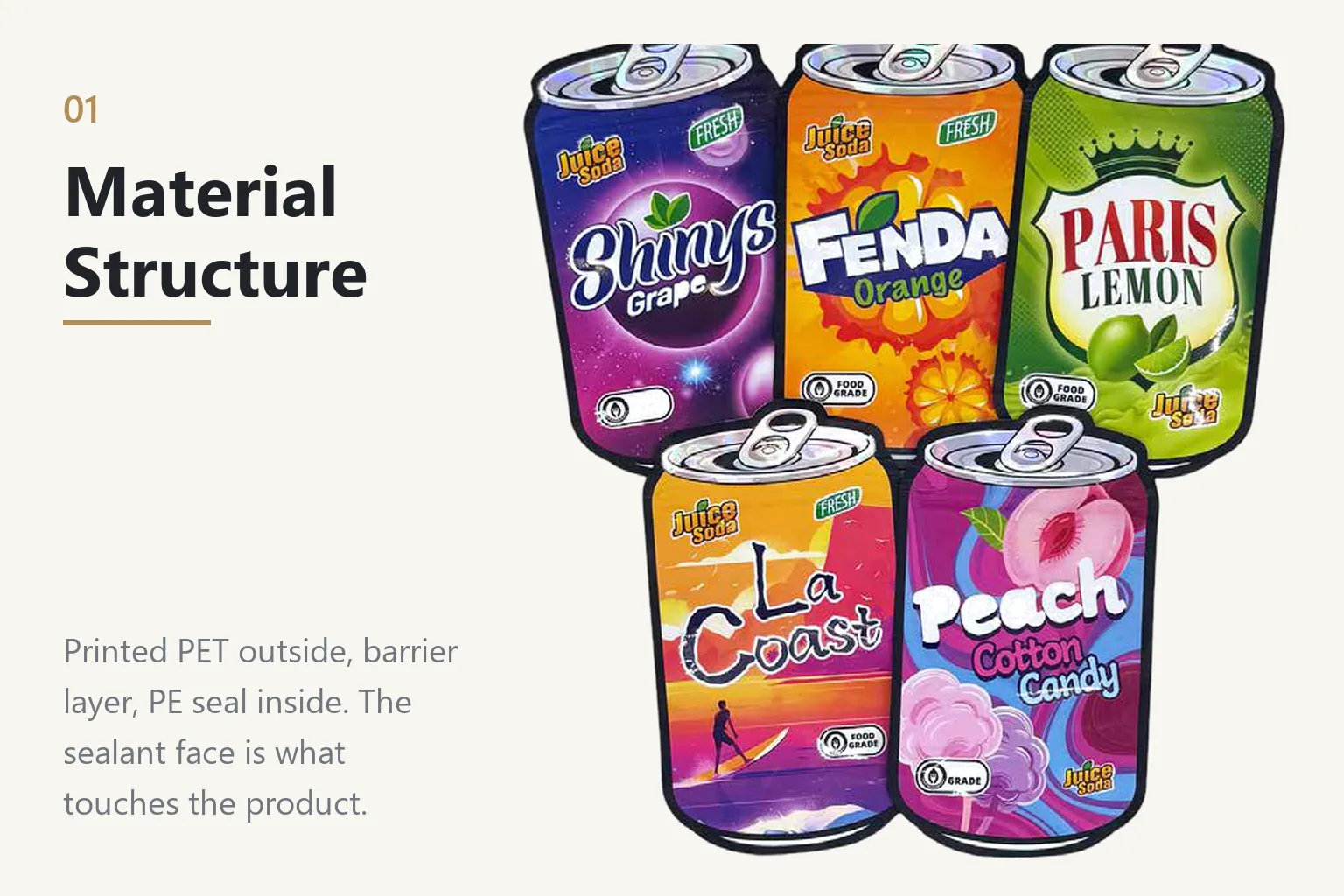
A shaped pouch cut to your own outline instead of a stock rectangle. The bag is a three-side seal die-cut pouch, so the silhouette follows the artwork, and the same structure can be closed with a standard press-to-close zipper or with a child-resistant closure, whichever the order needs. Barrier is built from PET, aluminium or metallized VMPET and a PE sealant, 0.12 to 0.16 mm, with holographic film available. Tear notches sit on both edges above the zip. Shapes are made from a dedicated die plate, so any outline that keeps a straight channel for the closure is workable. Every shape is quoted from a drawing plus a target fill weight, never from a stock size list.
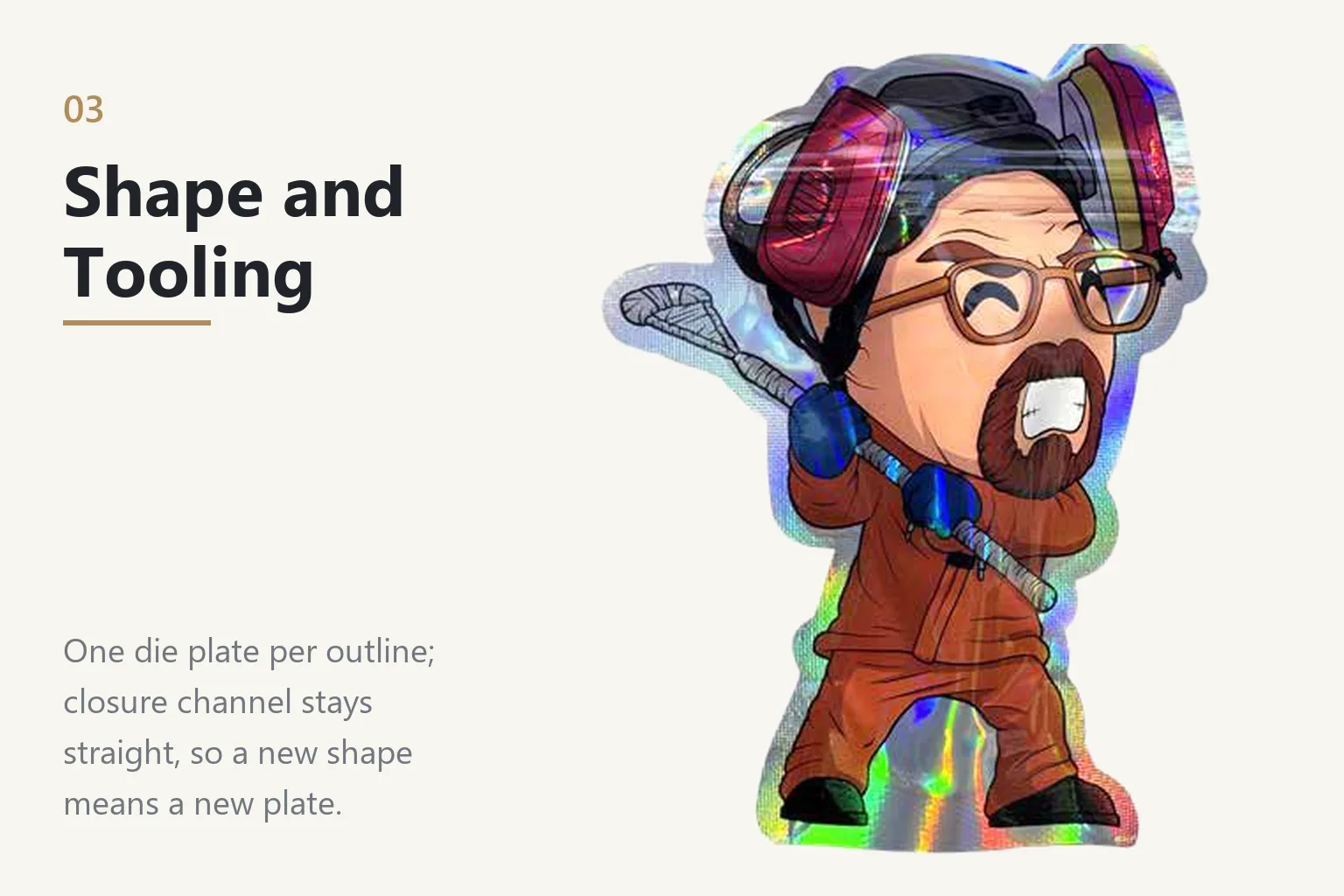
The pouch begins as flat film, not as a bag. Two panels are printed, laminated and then cut to an outline with a die plate, so the silhouette is decided by the artwork rather than by a stock size list. Three sides are sealed and the fourth carries the closure. That order matters, because the outline has to be drawn around the closure, not the other way round, and the channel is fixed before the drawing is finished.
Every outline needs one die plate, cut to the drawing and kept for repeat orders. Complex outlines cost more than simple ones, and the cost sits in the plate and the make-ready rather than in the film. A plain pillow outline is far cheaper to cut than a detailed character shape. A shape with tight inside curves, or a shape that narrows where the closure runs, will either fail at the seal or need the channel straightened first.
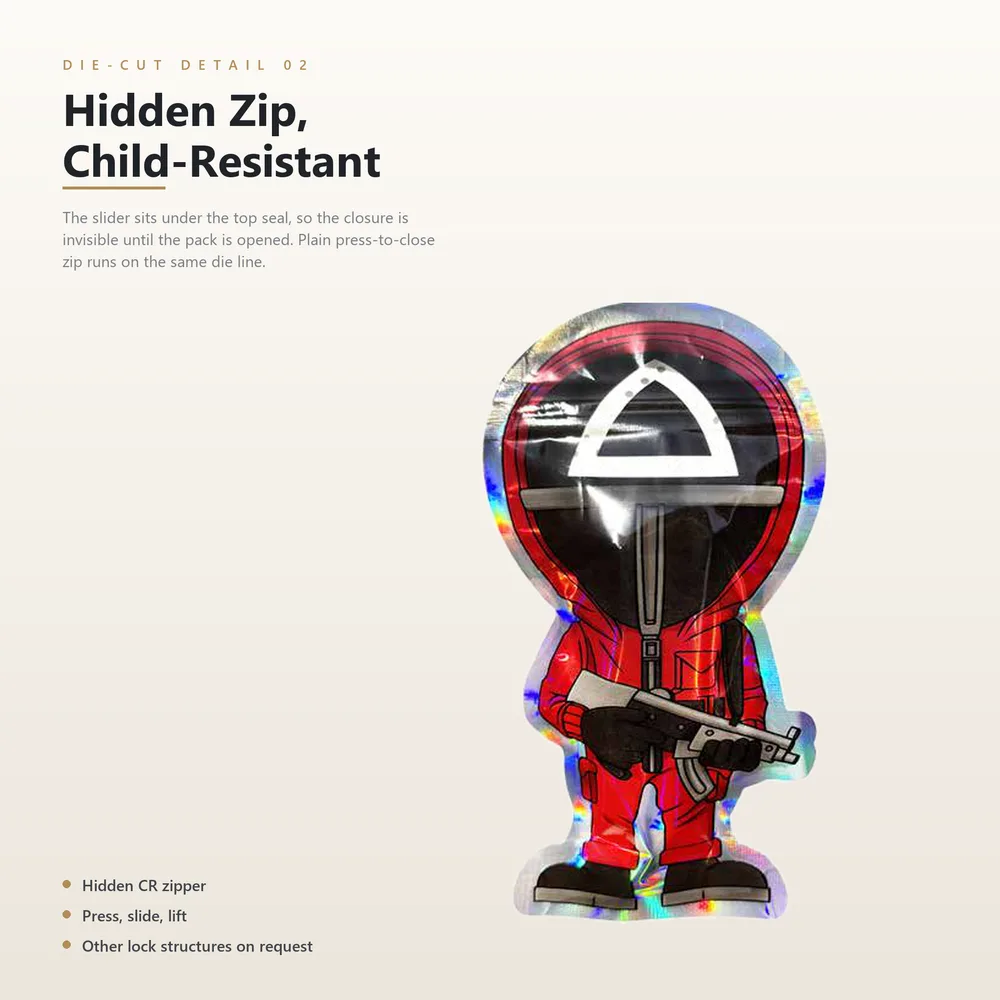
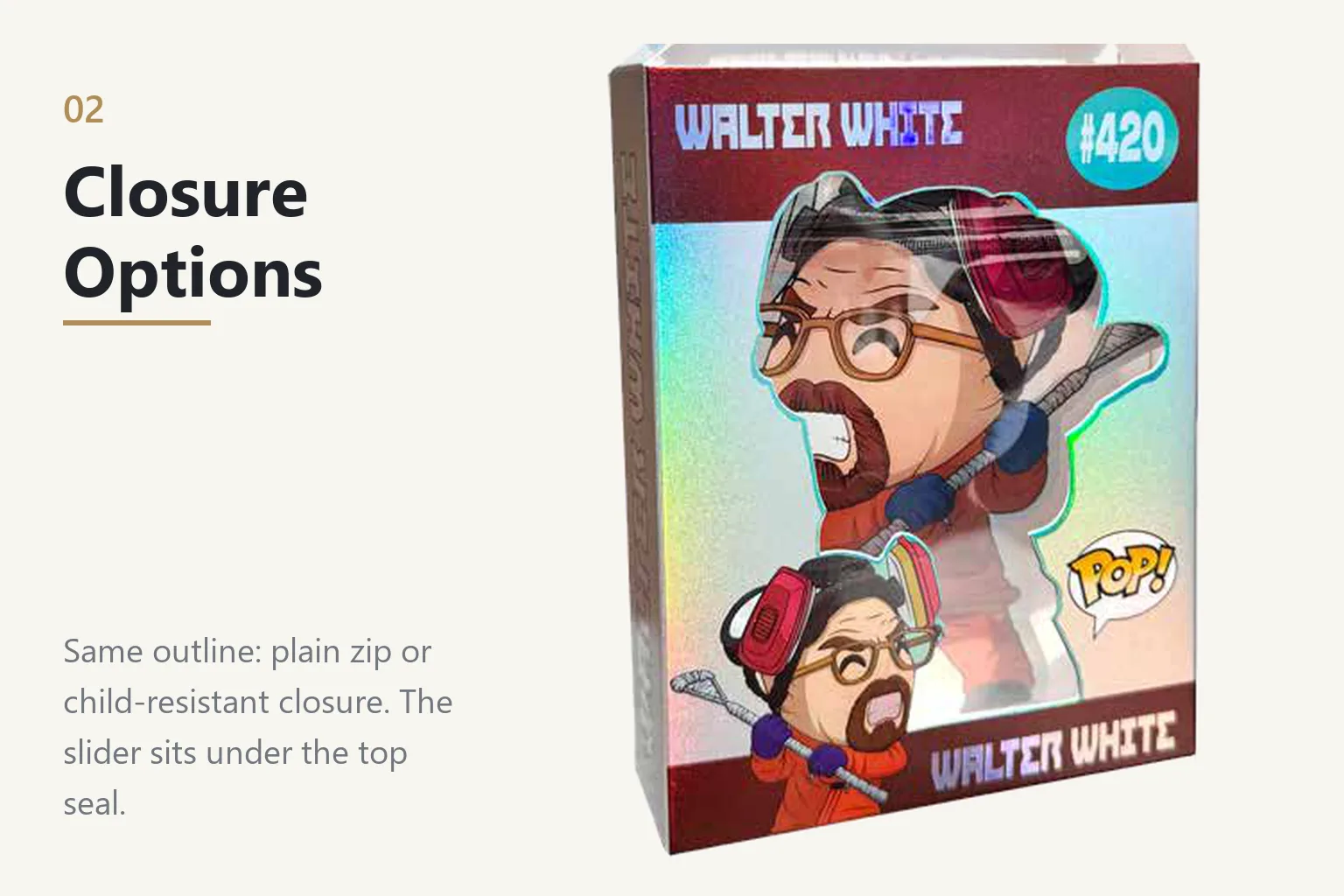
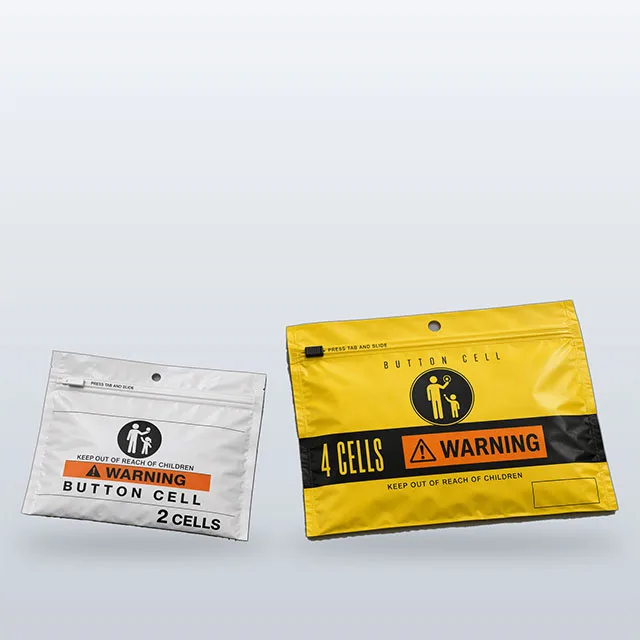
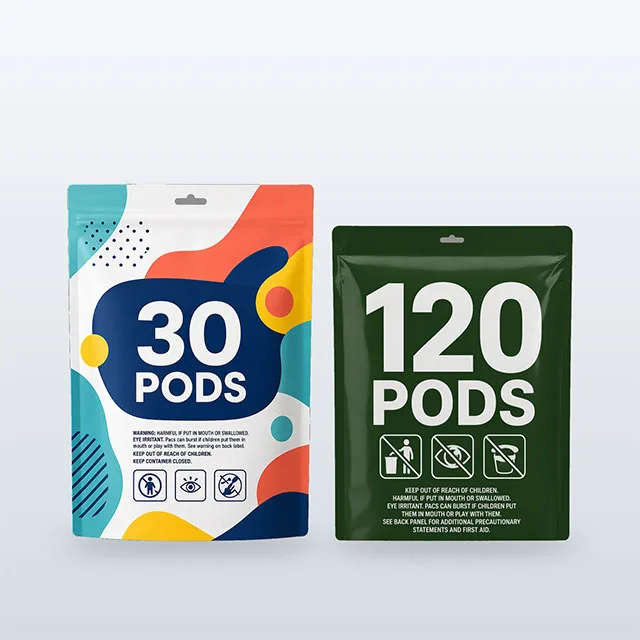
The closure is chosen per order. A standard press-to-close zip covers snacks, tobacco pouches and single-use formats. Where the buyer needs a child-resistant pack, the same outline takes a hidden child-resistant zipper, with the slider under the top seal so the front shows no lock. Pinch-twist-pull and slider structures are also built on the same outline. The plate changes only at that channel, and the buyer has to name the closure at artwork stage.
Fill weight follows the outline, not a table. A round shape holds less than a tall shape of the same outer size, because the corners are cut away. We quote from a drawing plus a target fill weight, then send a plain sample cut on the same plate before printing, so the buyer checks the shape in hand rather than on screen. Repeat orders reuse the plate and carry no plate charge.
| Parameter | Specification |
|---|---|
| Structure | Die-cut shaped pouch, three-side seal |
| Outline | Custom, die-cut to artwork |
| Closure | Hidden child-resistant zipper, or standard press-to-close zipper |
| Tear notch | Both edges above the closure |
| Material | PET / aluminium / metallized VMPET / PE sealant, 0.12 to 0.16 mm |
| Film options | Clear, matte, metallized, holographic |
| Size range | 80 x 120 mm to 150 x 230 mm outer, custom |
| Printing | Rotogravure or digital, full colour |
| Tooling | One die plate per outline, plate charge applies |
| Customization | Shape / size / material / closure / print |
Artwork for a shaped pouch is drawn on flat film and only reads correctly once it is cut. The designer therefore works with the die line visible, and anything that must stay whole, such as a brand mark or a warning block, sits well inside the outline rather than near the cut edge, because a logo crossing the die line loses part of itself on every bag.
Registration matters more here than on a rectangular bag. The print has to line up with the die line, and the die line has to line up with the closure channel, so three separate steps share one tolerance. On holographic film the tolerance tightens again, since any shift shows as a colour break along the cut edge rather than as soft misregistration, and an edge defect cannot be trimmed away afterwards.
Value comes from colour count and surface choice. Rotogravure holds dense illustration and photographic artwork and suits repeat runs, while digital suits short runs and versioning, where each shape or flavour carries its own artwork. Metallic and holographic stocks are chosen for shelf impact, and they raise both film cost and proofing effort, so they are worth quoting as a separate line rather than folded into one rate.
Proofing is done on the shape, not on a sheet. We cut a plain sample on the final plate, check the outline and the closure channel in hand, then print and cut a proof in the actual material. Nothing goes to production until the buyer signs that cut proof, because a shape approved on screen is not a shape approved in hand, and re-cutting a plate costs more time than approving a proof.
There is no lining and no insert in this pouch: the wall is a single laminate, printed outside and sealed inside. Barrier comes from the middle layer, and the sealant face is what touches the product, so one wall runs behind candy, tobacco and single-use formats alike.
A plain zip and a hidden child-resistant zip look alike from the front, because the slider sits under the top seal. Keeping one outline for both means the buyer can switch closure without redrawing the shape.
North Side Of Nanyi Road, Shiwan Town Science And Technology Park (10th Floor, Building 1, No. 13)
INQUIRY