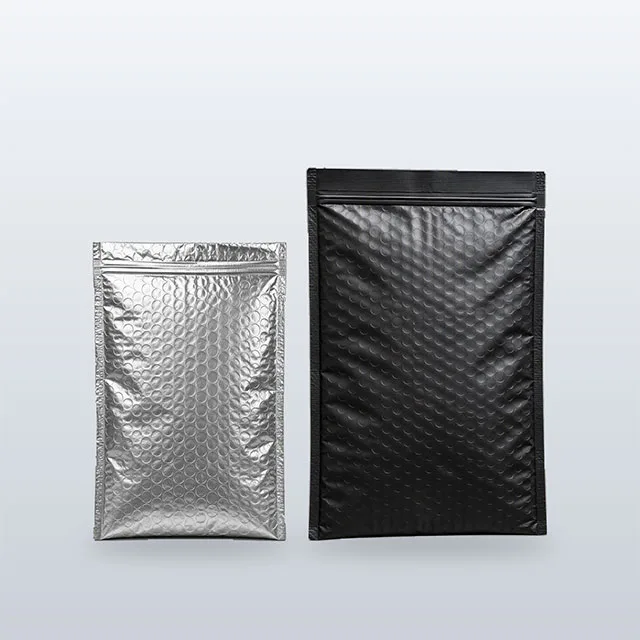
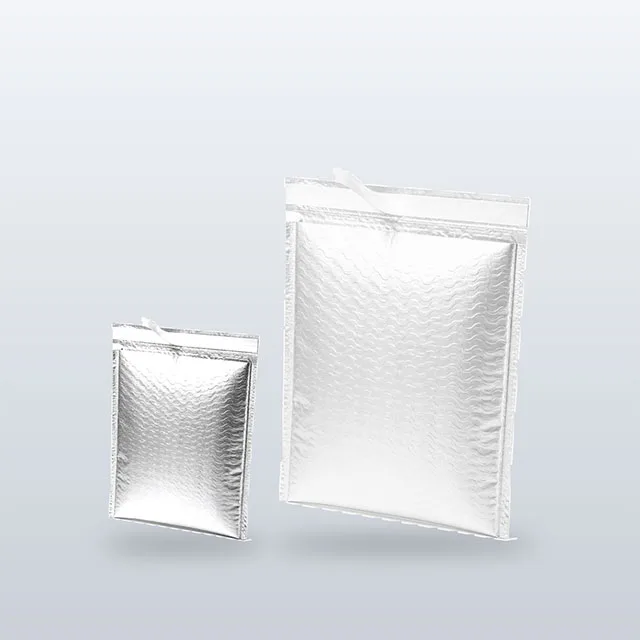
Hot & Cold Thermal Bags, Insulated Mailers & Cold Chain Delivery Packaging

Fertilizer, Pesticide & Agrochemical Packaging

Cleaner, Laundry & Air Care Packaging

Custom Medical Packaging Solutions

Protective Structures, Inserts and Retail Packs

Custom Protein Powder Pouches, Vitamin Stick Packs & Nutrition Bar Bags

Cosmetics, Fragrance and Skincare Packaging

Takeout, Bakery and Beverage Packaging

Kibble, treat & wet food packaging
Mono-Material Packaging: How Regulation Is Reshaping Flexible Packaging

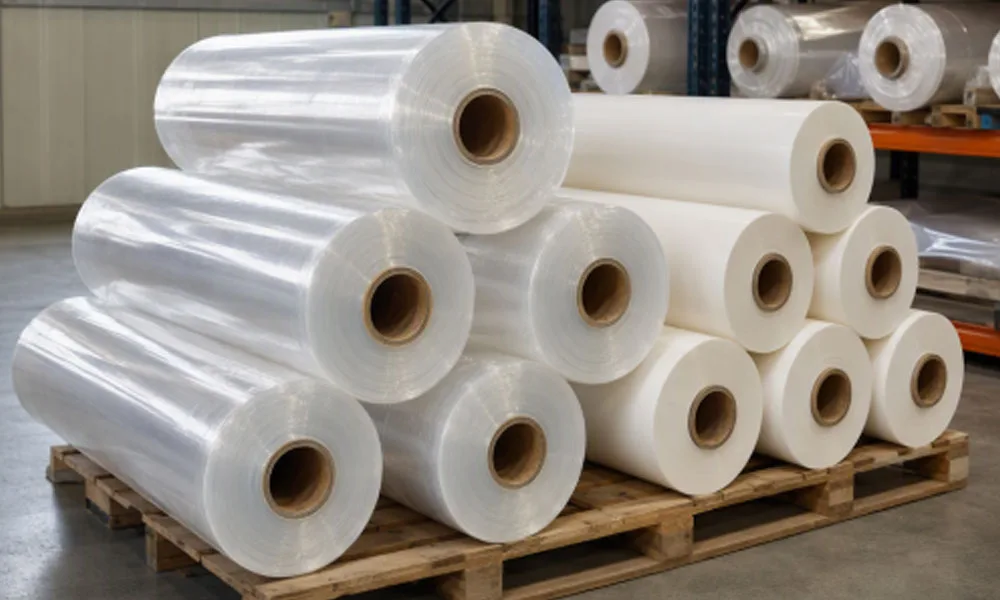
Fig.1 PE film rolls ready for converting — the base of mono-material structures
For decades, the best-performing flexible packaging has been multi-layer: PET for strength, aluminum foil for barrier, PE for sealing. But regulators are now asking a different question — not “what protects best” but “what can be recycled”.
What Is Driving the Shift
New packaging regulation in the EU, along with extended-producer-responsibility schemes in multiple markets, is pushing brands toward packaging that is recyclable by design. Multi-layer laminates with foil or mixed polymers are hard to recycle because the layers are bonded together and cannot be easily separated in standard recycling streams.
The practical answer for many applications is mono-material polyethylene: a single polymer family that keeps the structure recyclable while using coatings or special sealants to recover barrier performance.
The Design Trade-Offs
Going mono-material is not free. Barrier performance drops versus foil laminates, so shelf life planning must change. Print design matters too — large ink coverage and heavy white underprint can contaminate the recycling stream, so artwork is increasingly designed with less coverage or washable inks.
What This Means for Buyers
If you are sourcing custom packaging, ask two questions early: which markets the product will be sold in, and whether the structure must meet recyclability criteria. A flexible packaging supplier should be able to advise on mono-material alternatives, sealant systems and the artwork changes they require — before you commit to cylinders or plates.
From Huizhou to 40+ Countries: How Ecopack Keeps Shipments On Time
A flexible packaging order is a promise with a date on it.
Food-Contact Compliance: What EU 10/2011 and FDA 21 CFR Mean for Your Packaging
Food packaging is not just about looking good on a shelf. In the EU and the US, food-contact materials are regulated by law.
Mono-Material Packaging: How Regulation Is Reshaping Flexible Packaging
For decades, the best-performing flexible packaging has been multi-layer: PET for strength, aluminum foil for barrier,
Fifteen Years of Functional Packaging: Ecopack from 2011 to 2026
Fifteen years is a milestone in functional packaging.
INQUIRY