A gusseted cooler bag is usually chosen for the wrong reason. Buyers compare wall thickness and foil gauge, then pick a shape last — but the shape decides whether one person can load the bag on a counter, and that gets settled before the laminate matters.
Three formats share one wall: a flat pouch, a bottom gusset, and a square bottom. Same printed foil, same EPE core, same sealant. The only difference is how the bottom is folded.
One: a flat pouch has no floor
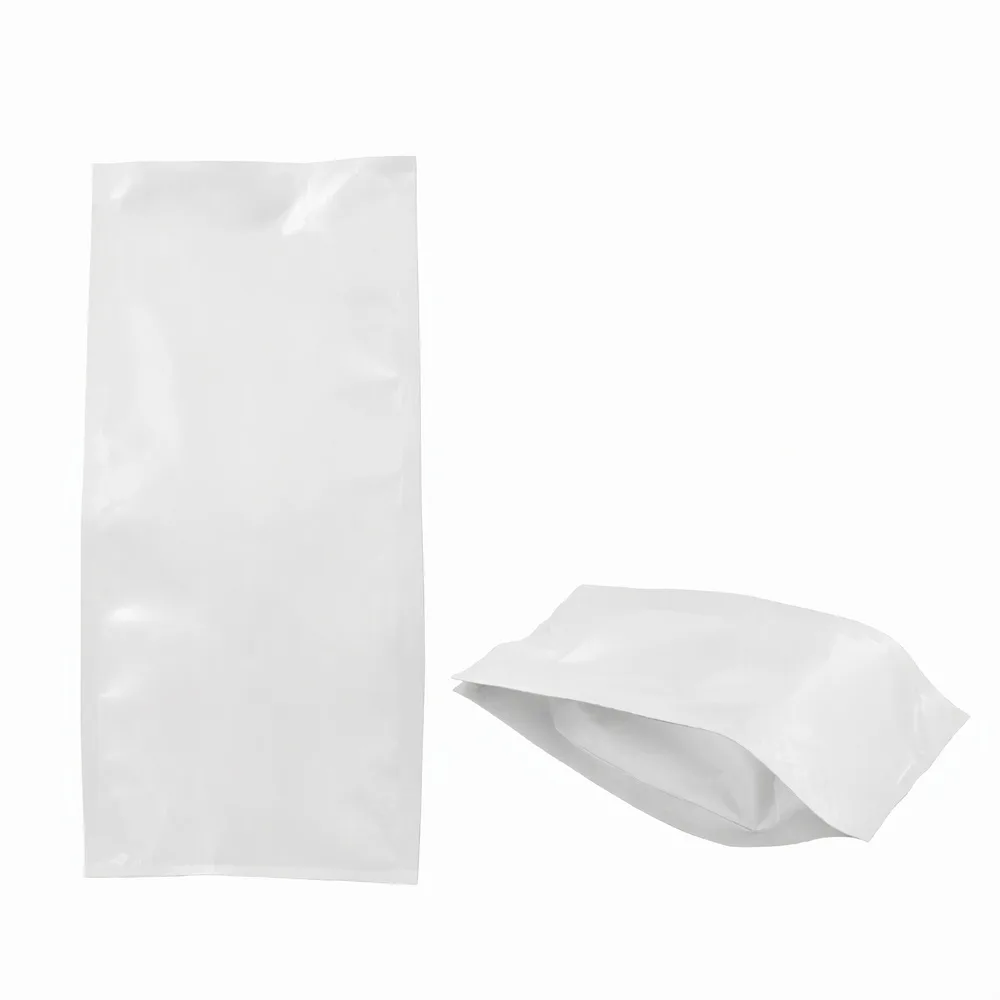
A flat pouch is three sides sealed and a mouth. That is the right format for a parcel packed at a bench, sealed and carried. What it cannot do is stand.
Set a half-loaded flat pouch down and it lies down again. Nothing holds the mouth open, so filling it takes two hands and a third to stop the bag folding over — on a line that means a jig or a second person, and at a takeaway counter it means filling it on its side while the contents slide toward the mouth.
Two: what one fold buys you
A bottom gusset answers a different question: not how thin a bag stores, but whether it can stand on a counter with a load in it. One extra fold turns the base into a floor, and that fold is the same laminate as the wall — no second panel welded on.
Packed, the gusset lies folded against the inside of the wall and the bag ships as flat as a pouch. Opened, the faces separate by exactly the depth of the gusset and the crease settles onto the counter.
The trade is a modest footprint: it stands only as deep as the gusset, which is why it still nests and still packs into a carton. On our gusseted cooler bag base depth runs 8 to 12 cm and the side walls stay flat.
Three: what a base panel adds
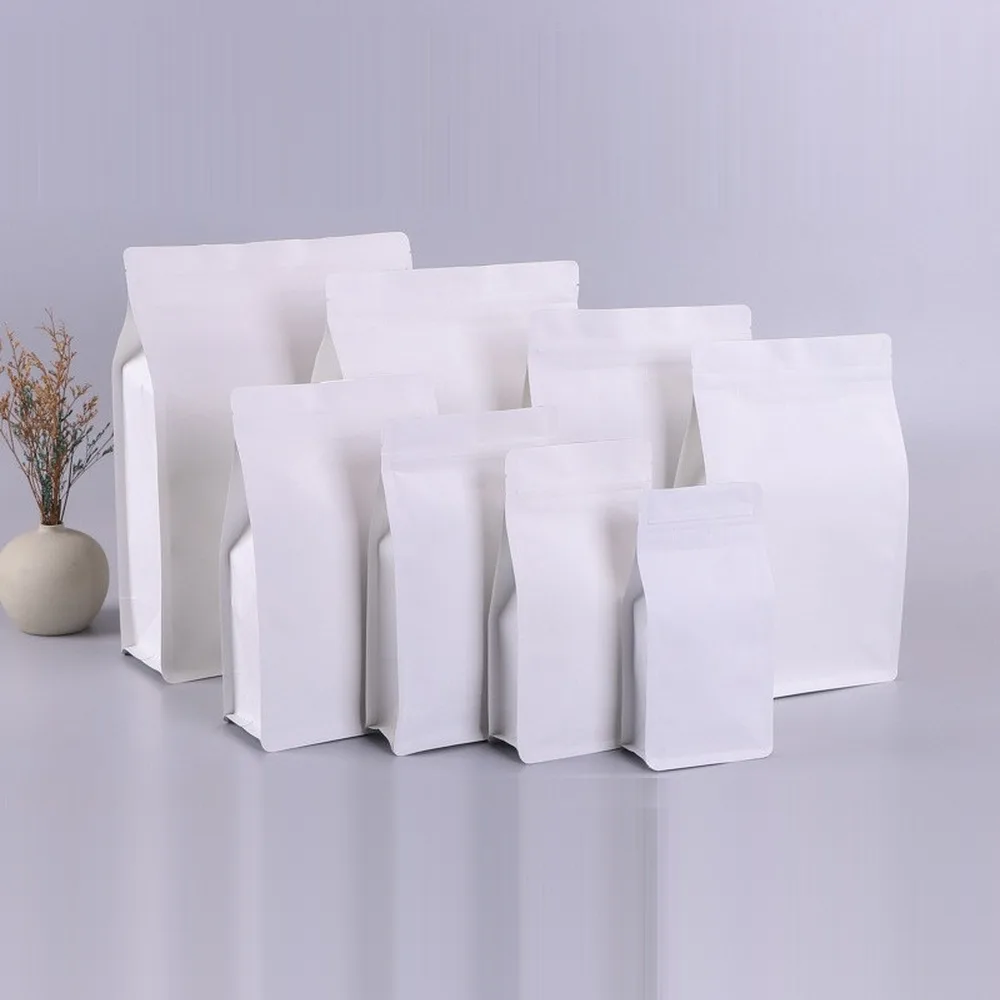
A square bottom turns a bag into a container. Two side gussets give the body depth and a fold across the base gives it a floor, so it stands on a rectangle with four corners rather than a single crease.
Set it down empty and it holds its shape — the reason a counter can load it with both hands free. On our square bottom thermal bag base depth runs 10 to 15 cm and the print carries across both gussets.
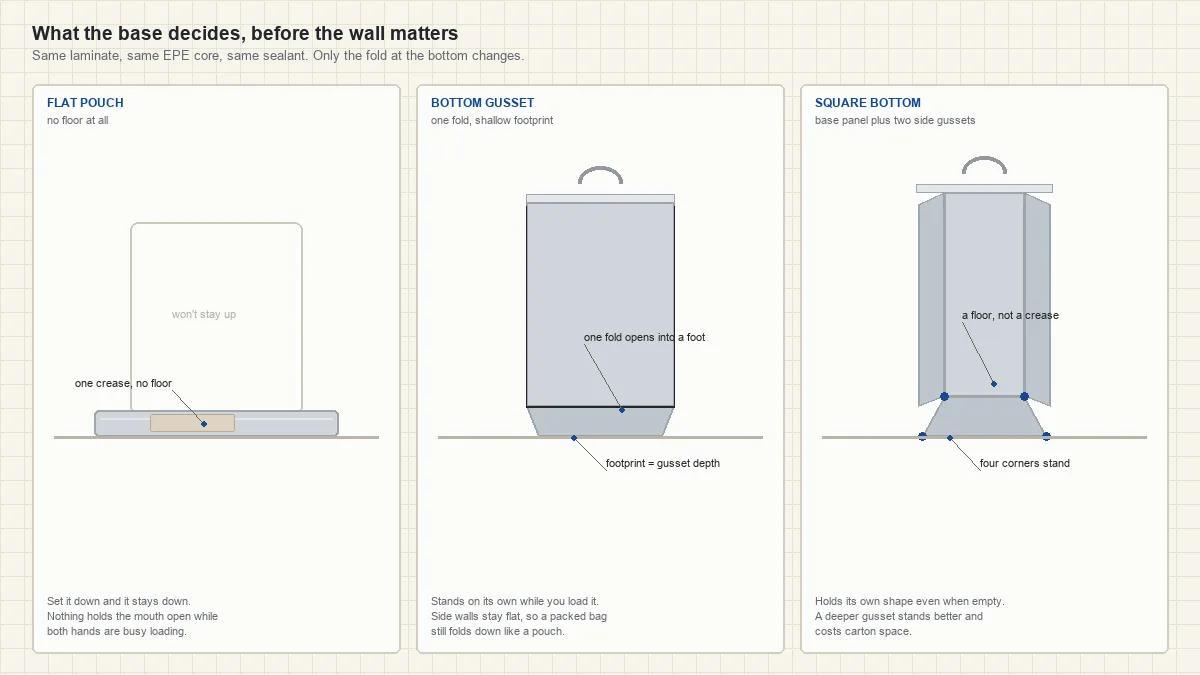
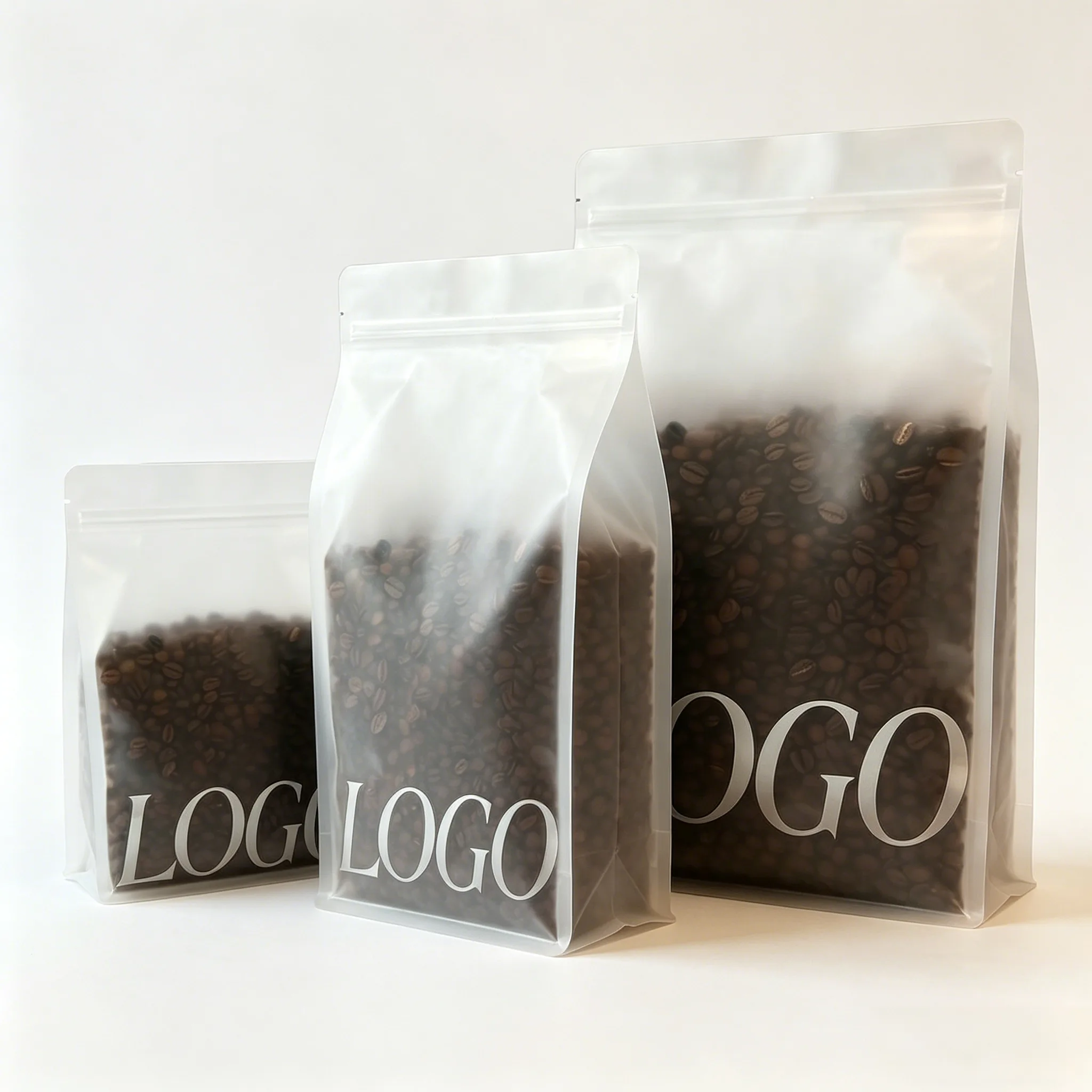
Fig.1 What the base decides: a flat pouch with one crease and no floor, a bottom gusset that opens into a shallow foot, and a square bottom standing on four corners — all three on the same line
Four: match the base to what goes in
Loading follows the shape. Trays go in flat and stack two high before the bag bulges; bottles stand in the corners, where the gusset gives them a wall to lean on instead of a crease to roll over.
In a bottom-gusset bag heavy items go in first and sit on the base, and a bottle rides better against the back panel than in the middle, where it tips the bag forward. In a square bottom the four corners do that work.
So the choice is mostly the load. Takeaway trays want the square bottom. A few items that must still nest and pack into a carton want the bottom gusset. A parcel packed flat, sealed and never set down open wants the pouch, and pays less. Where the load is a rigid tray rather than loose items, sizing matters as much as shape — that is what the pouch actually has to do.
Five: depth is the number to agree first
Depth is quoted rather than assumed, because it changes three things at once: stability under load, pieces per carton, and how much of the base the artwork must cover. A 10 cm gusset and a 15 cm gusset are the same bag on the drawing board and different products in a warehouse.
The common mistake is ordering a tall bag for a tall load. Height without depth stands but tips; depth without height stands and swallows nothing above the rim.
One print constraint follows the fold. The base crease and the seal band cannot take heavy ink: the gusset is creased under tension, so a solid field across it crazes before first use, and a seal landing on wet ink bonds ink to ink instead of film to film. Colour fields stay inside the flat panels for that reason and the band is left as bare foil. Where a moulded handle is welded into the top seal, that band becomes the second no-ink zone.
Tell us what goes in — trays, bottles, loose items, a single box — and whether the bag must nest flat before use. Those two answers pick the base, and the base picks the quote. Send us your load details and we will come back with the format that fits it.