Hot & Cold Thermal Bags, Insulated Mailers & Cold Chain Delivery Packaging

Fertilizer, Pesticide & Agrochemical Packaging

Cleaner, Laundry & Air Care Packaging

Custom Medical Packaging Solutions

Protective Structures, Inserts and Retail Packs

Custom Protein Powder Pouches, Vitamin Stick Packs & Nutrition Bar Bags

Cosmetics, Fragrance and Skincare Packaging

Takeout, Bakery and Beverage Packaging

Kibble, treat & wet food packaging
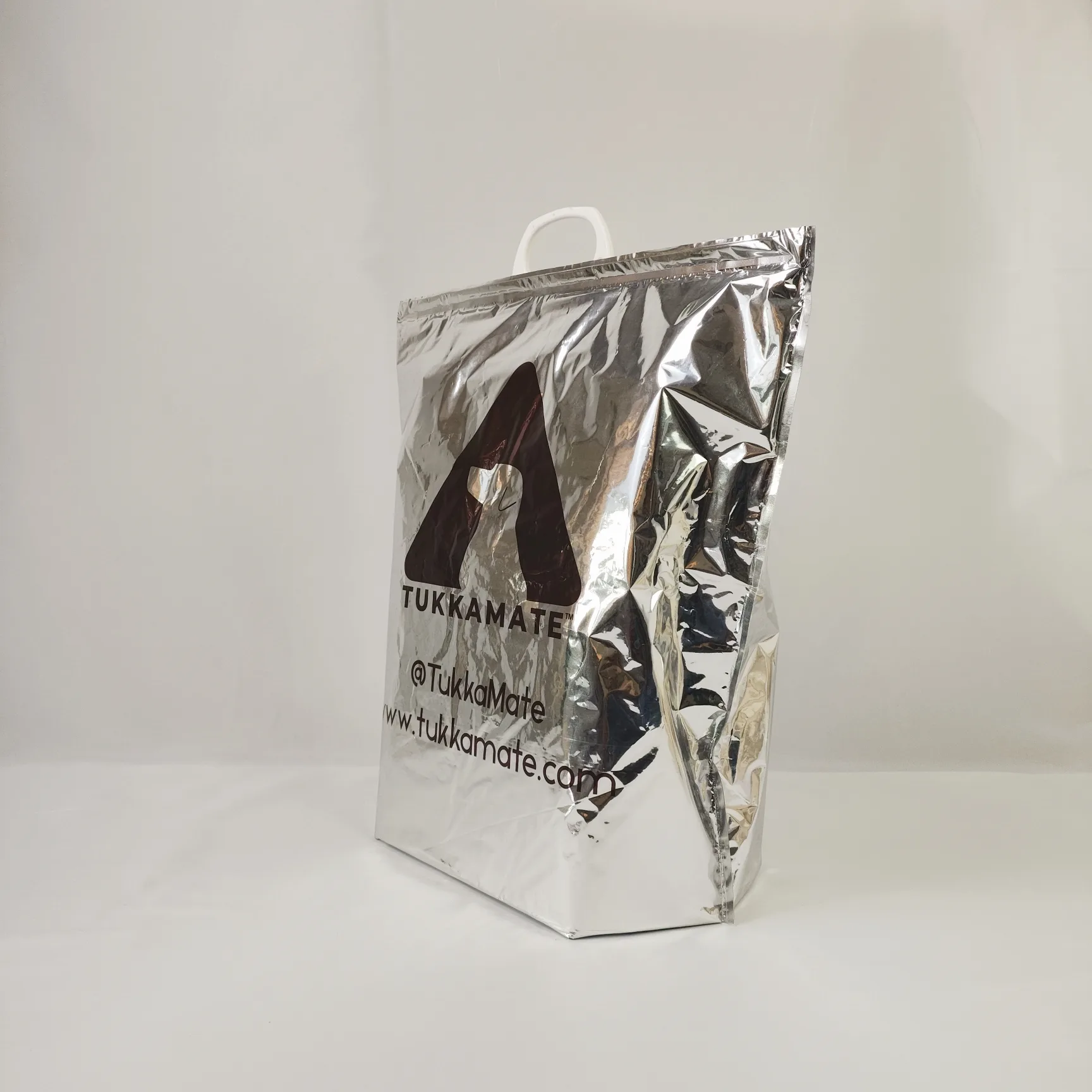
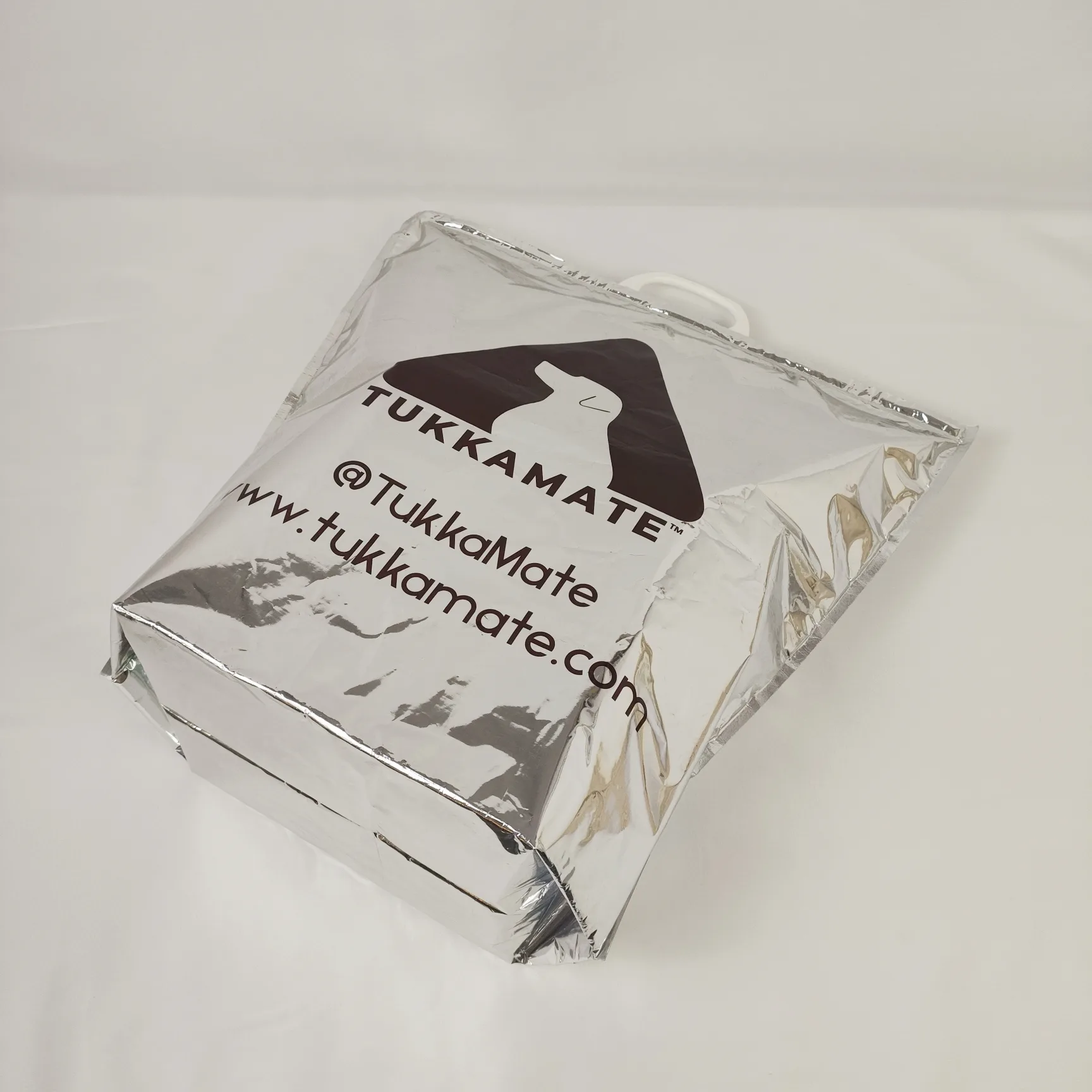
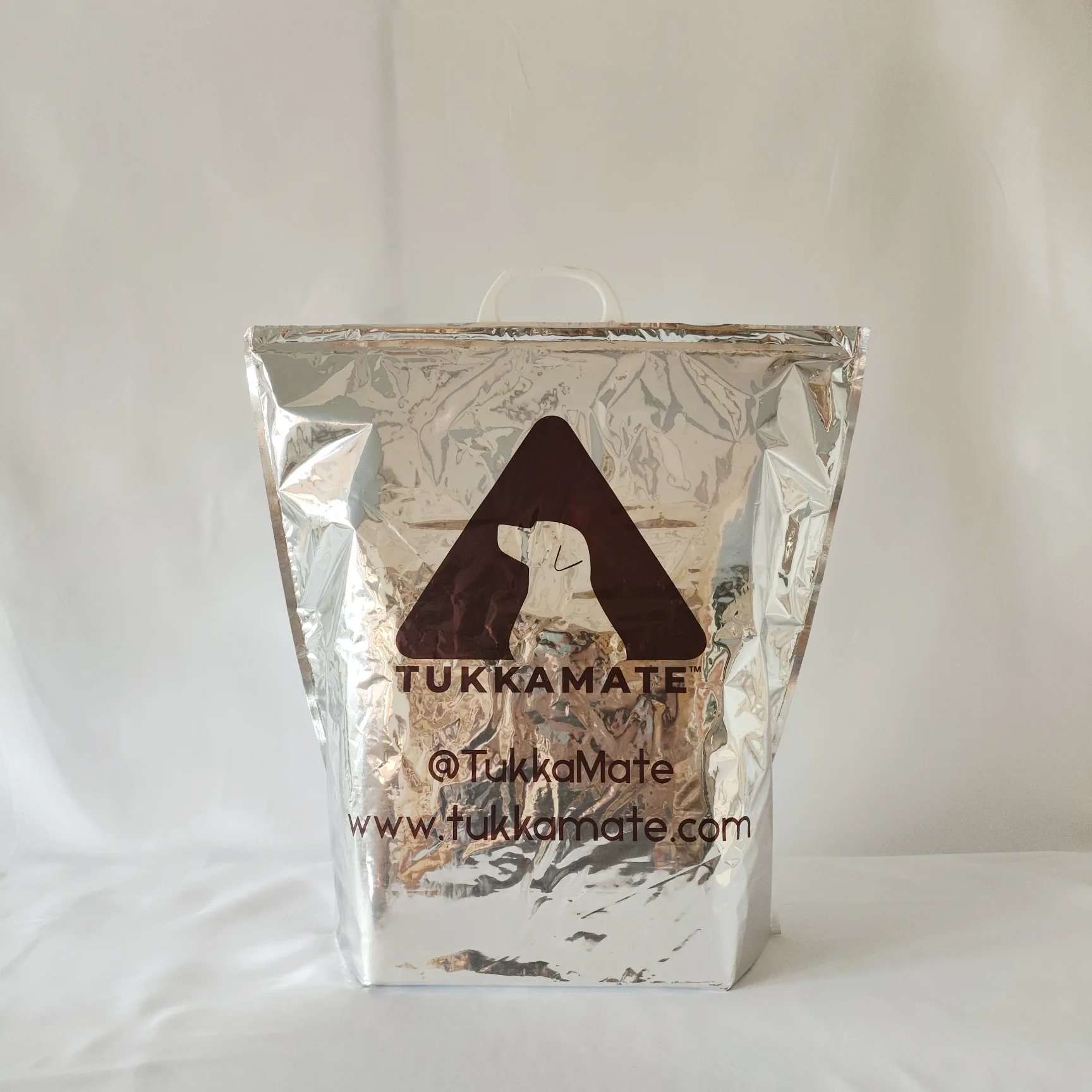
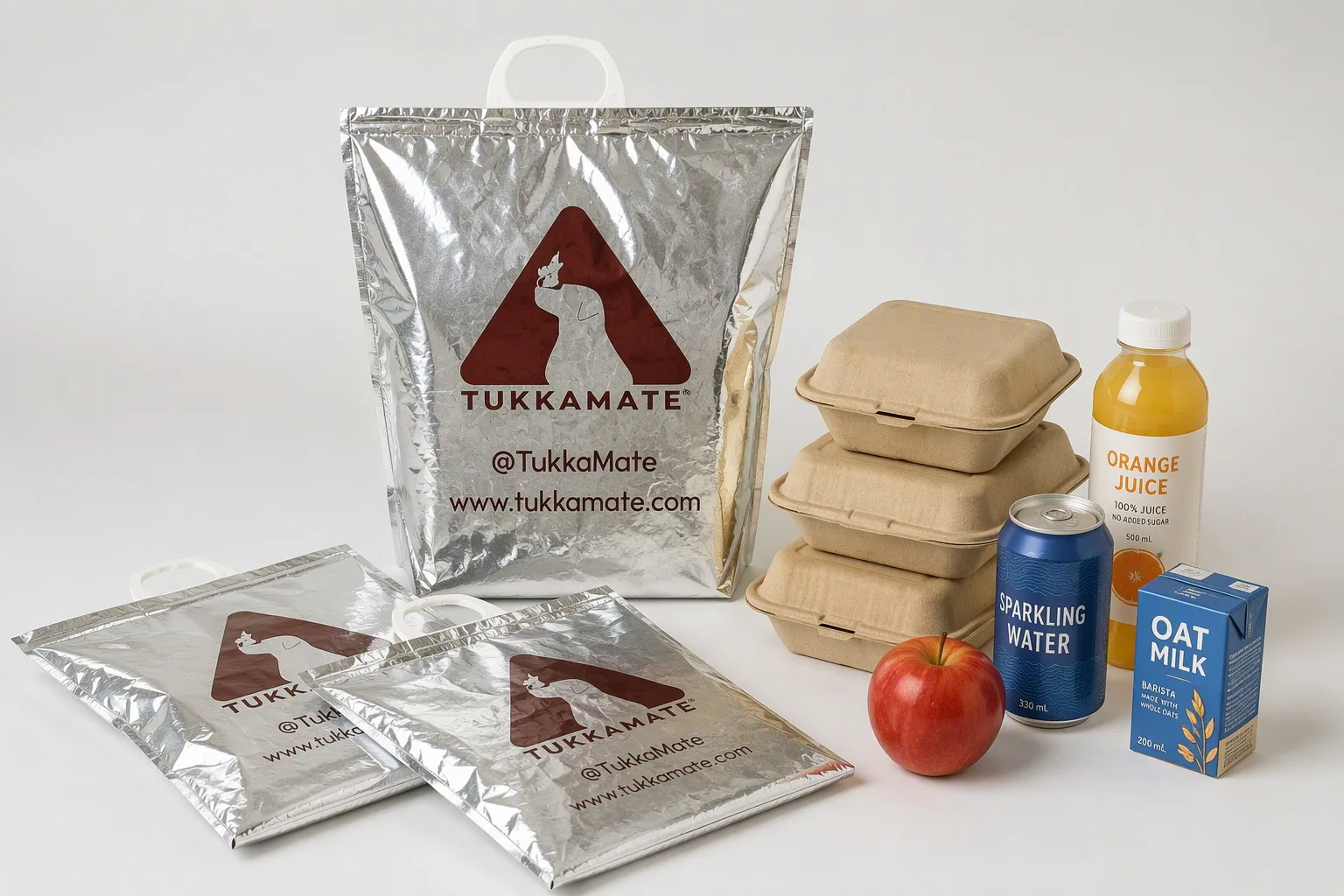
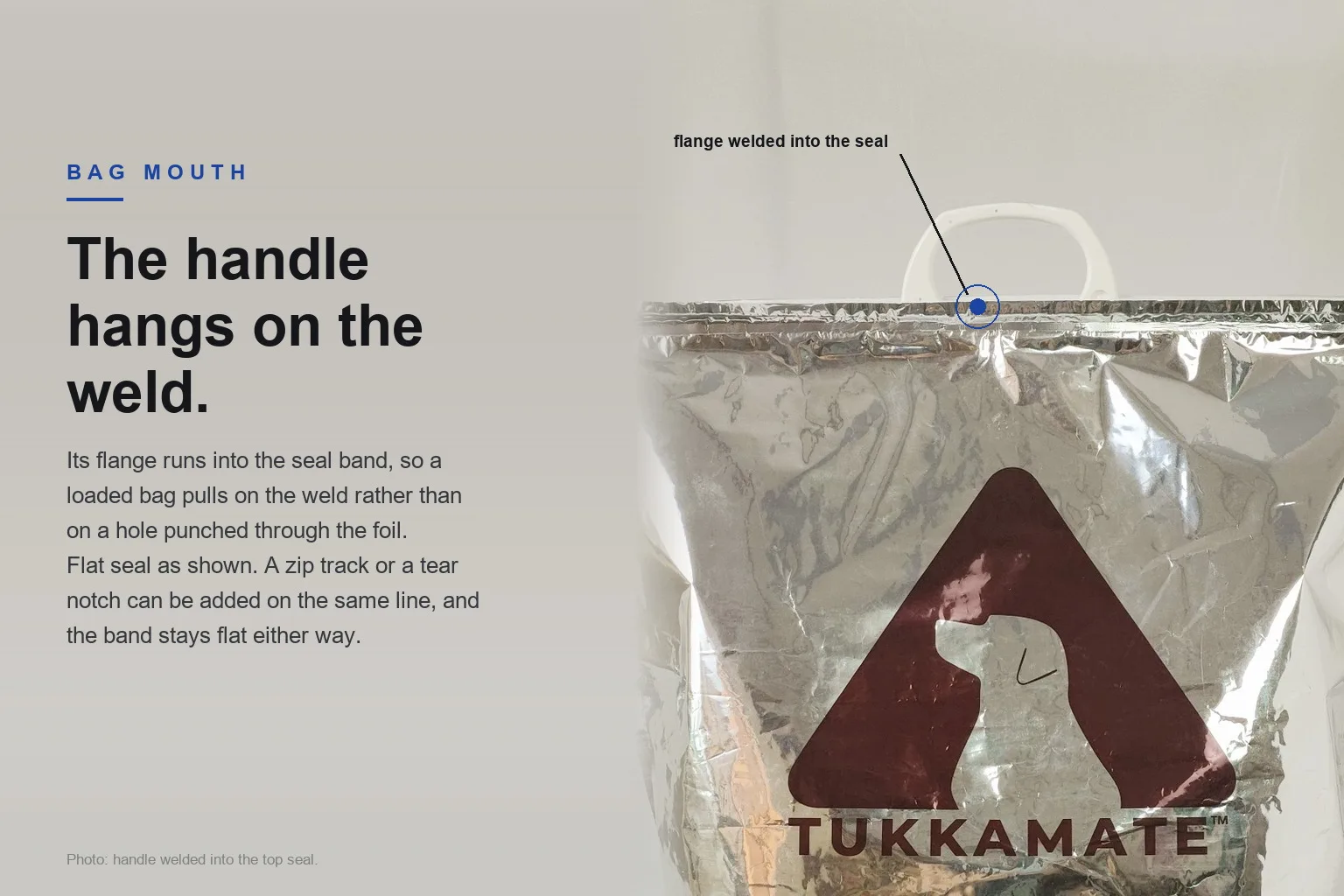
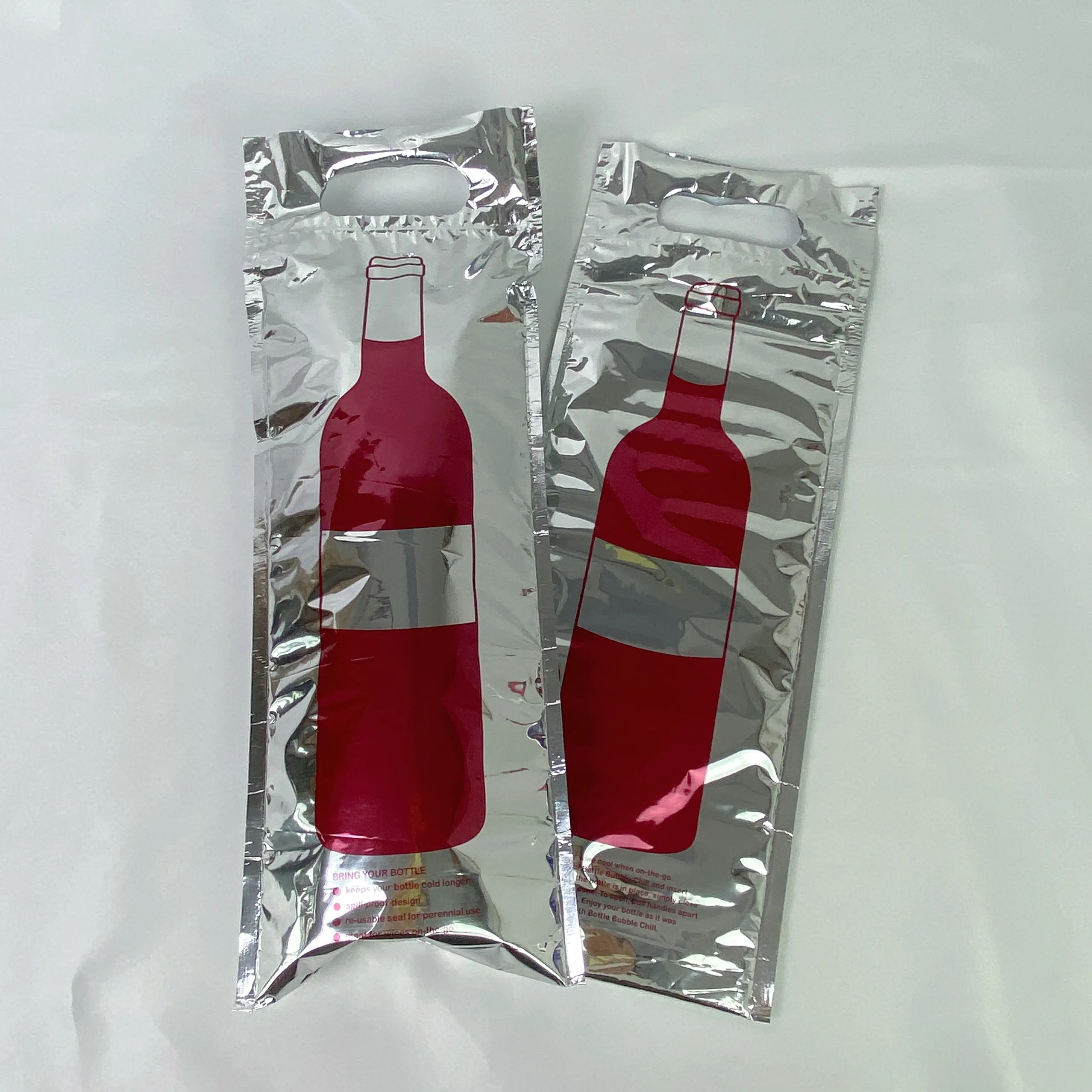
A bottom gusset answers a different question from a flat pouch: not how thin a bag can be stored, but whether it can stand on a counter with a load already in it. One extra fold turns the base into a floor, and that fold is made from the same laminate as the wall, so no second panel is welded on as a separate piece. A moulded handle sits in the top band, and the pull of a packed bag goes into that weld instead of into a punched hole. The foil face carries the print and reflects radiant heat in the same pass. This is the format for grocery pickup, restaurant takeaway and pharmacy runs, where the bag is packed, stood down and lifted again inside the hour.
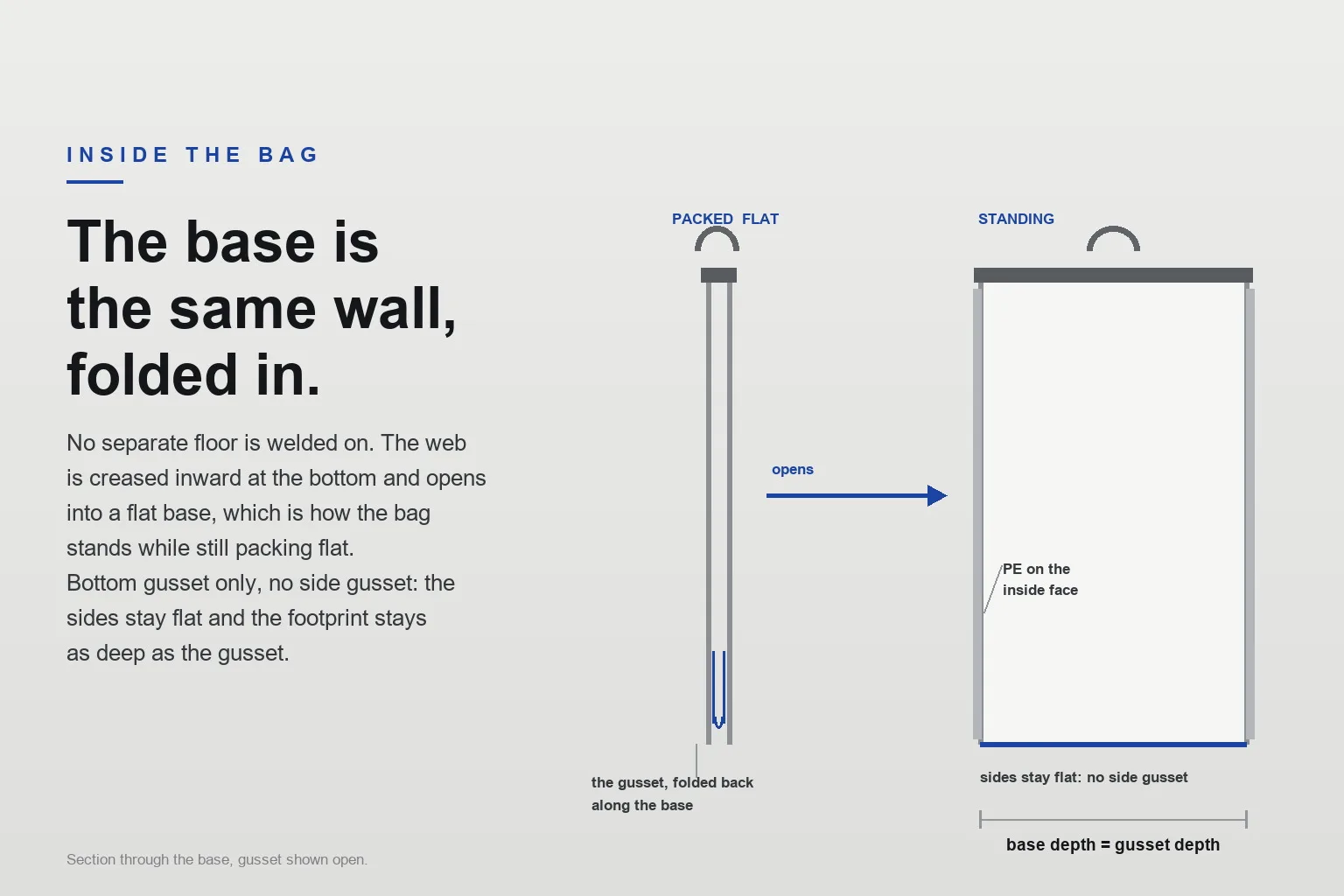
The base of this bag is not a part. It is the wall, creased inward at the bottom and left free to open. Packed, the gusset lies folded against the inside of the wall and the bag ships as flat as a pouch. Opened, the two faces separate by exactly the depth of the gusset and the crease settles onto the counter, so the load has something to sit on.
That single fold is what changes the working method behind a counter. Nobody has to hold the bag upright while it is filled, and nothing has to be propped behind it. The trade is a base depth that stays modest: the bag stands, but its footprint is only as deep as the gusset, which is why it still nests and still packs into a carton without a separate insert.
Loading is where the fold earns its keep. Heavy items go in first and sit on the base, and because the bag is already standing, both hands stay free to fold the top over and press the seal. A bottle rides better against the back panel than in the middle, where it tips the bag forward the moment it is set down. The working limit is the gusset itself: once the load is deeper than the base is wide, the bag leans and the fold takes the strain instead of the floor.
Depth is quoted rather than assumed, because it changes three things at once: how stable the bag is under load, how many pieces fit a carton, and how much of the base the artwork has to cover. A 10 cm gusset and a 15 cm gusset are the same bag on the drawing board and different products in a warehouse.
A bag that stands on a shallow foot still packs flat into a carton; one that stands on four corners does not. Which base suits a load — and why depth has to be quoted before the artwork is drawn — is set out in picking a cooler bag by what goes in.
| Parameter | Specification |
|---|---|
| Format | Bottom gusset, no side gusset, four-edge seal |
| Base depth | 8 / 10 / 12 cm, or as ordered |
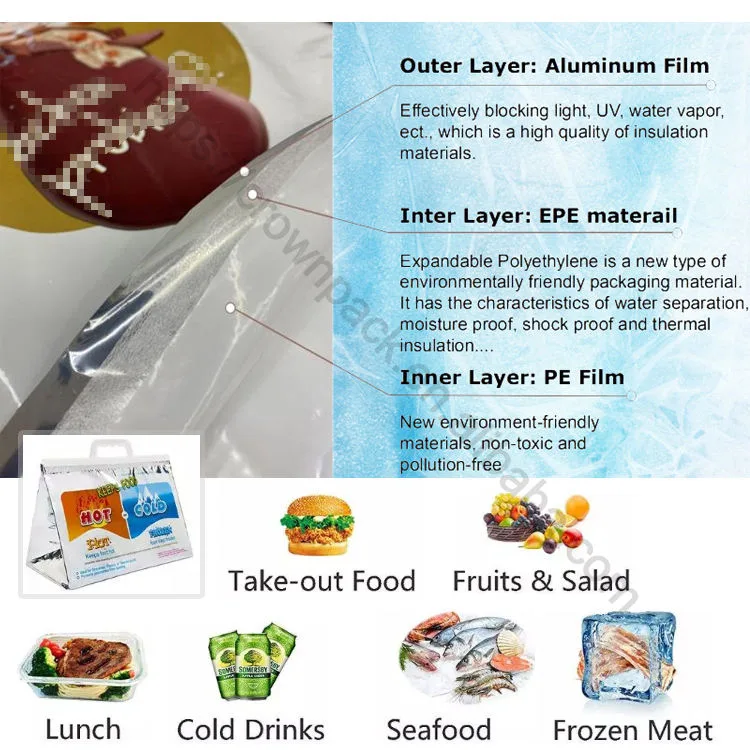
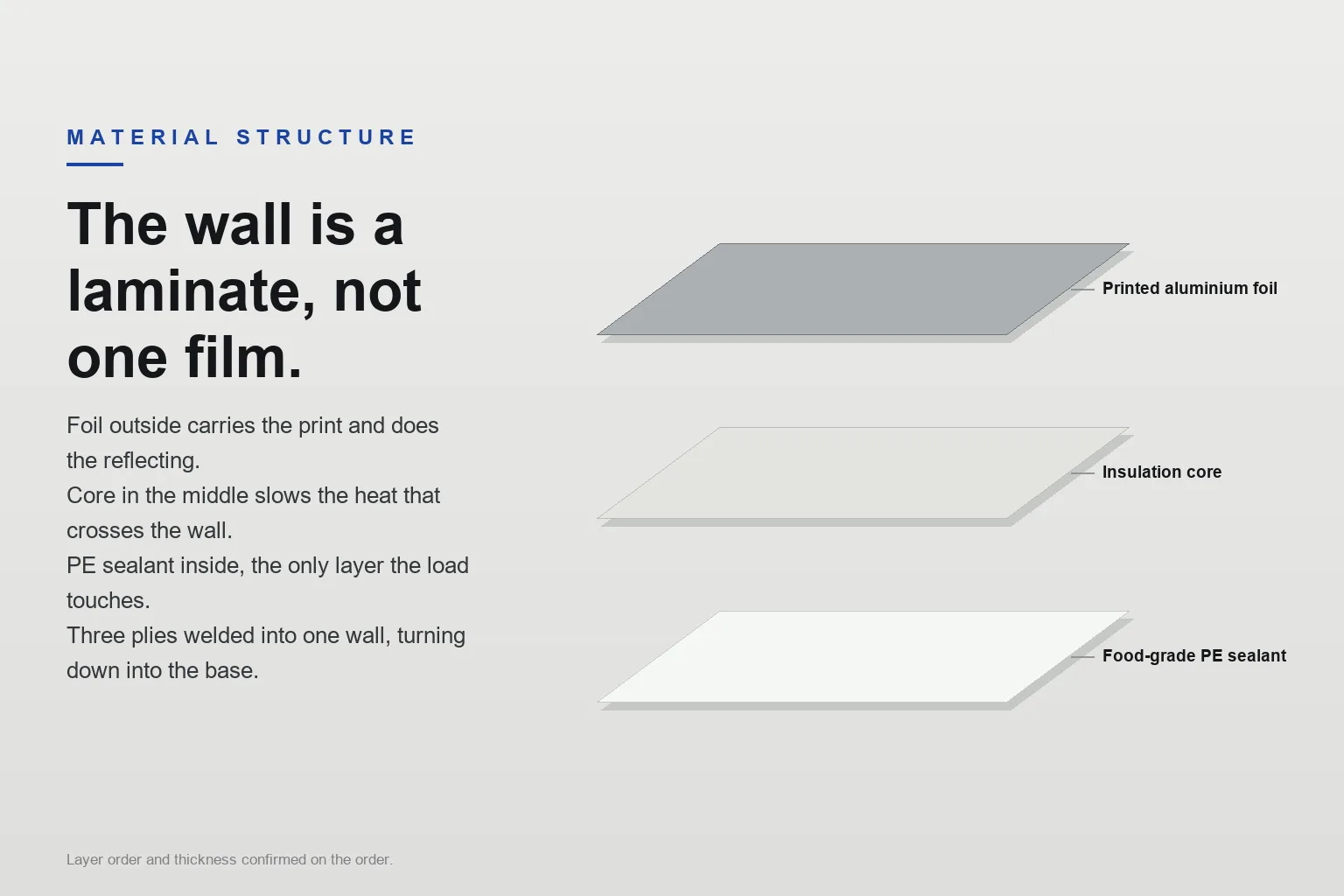
| Outer face | Aluminium foil laminate, full-colour print |
| Core | Closed-cell EPE foam, 2-5 mm (air bubble on request) |
| Contact layer | Food-grade PE sealant |
| Closure | Heat-sealed mouth; zip track or tear notch on request |
| Handle | Moulded handle welded into the top seal |
| Sizes | 30×35+8 to 50×55+12 cm |
| Customization | Structure, size, base depth, core, print, colour |
Two places on this bag cannot take heavy ink: the base fold and the seal band. The gusset is creased under tension, so a solid ink field laid across the crease will craze before the bag has been used once, and a seal that lands on wet ink bonds ink to ink instead of film to film. The layout keeps the colour fields inside the flat of the front and back panels, and hands the base and the bands to the foil itself.
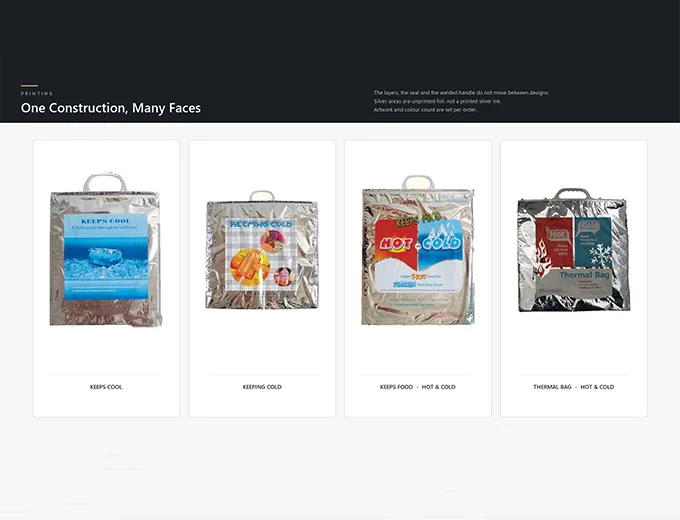
Because the print runs on metal rather than paper, every colour sits on an adhesion layer and nothing soaks in. A photographic gradient and a flat brand block can therefore sit side by side without one reading darker than the other, and the white of the sheet is never paper white but the foil’s own grey – which is why artwork for this bag is proofed on foil, not on a white substrate.
The handle weld is the second no-ink zone. A moulded handle is sealed into the top band under heat and pressure, and ink trapped under that flange softens and lifts long before the weld itself fails. The artwork stops short of the band on both faces for that reason, and the band is left as bare foil – which is also why a coloured handle on a coloured band is the combination we steer customers away from.
One more thing belongs on the drawing rather than in the artwork: the fold positions. Because the bag is converted from a web, the front and back faces are printed in a single pass and have to meet at the bottom fold. A design that is centred on the face but not on the web drifts a few millimetres at the crease, so the layout is dimensioned from the fold line instead of from the trim edge.
Printed foil, an EPE core and a PE sealant, welded around three sides. A single gusset is folded into the base only: the bag gains a shallow standing footprint while both side walls stay flat. The handle flange is welded into the top seal rather than glued to the face, so the load hangs from the seam, and a packed bag still folds flat for shipping.
North Side Of Nanyi Road, Shiwan Town Science And Technology Park (10th Floor, Building 1, No. 13)
INQUIRY