Custom packaging ·3-5 day sampling - Global delivery support

Kraft Paper Insulated Bag, Square Bottom, Hook-and-Loop, for Meal Delivery

Kraft Paper Insulated Bag, Square Bottom, Hook-and-Loop, for Meal Delivery

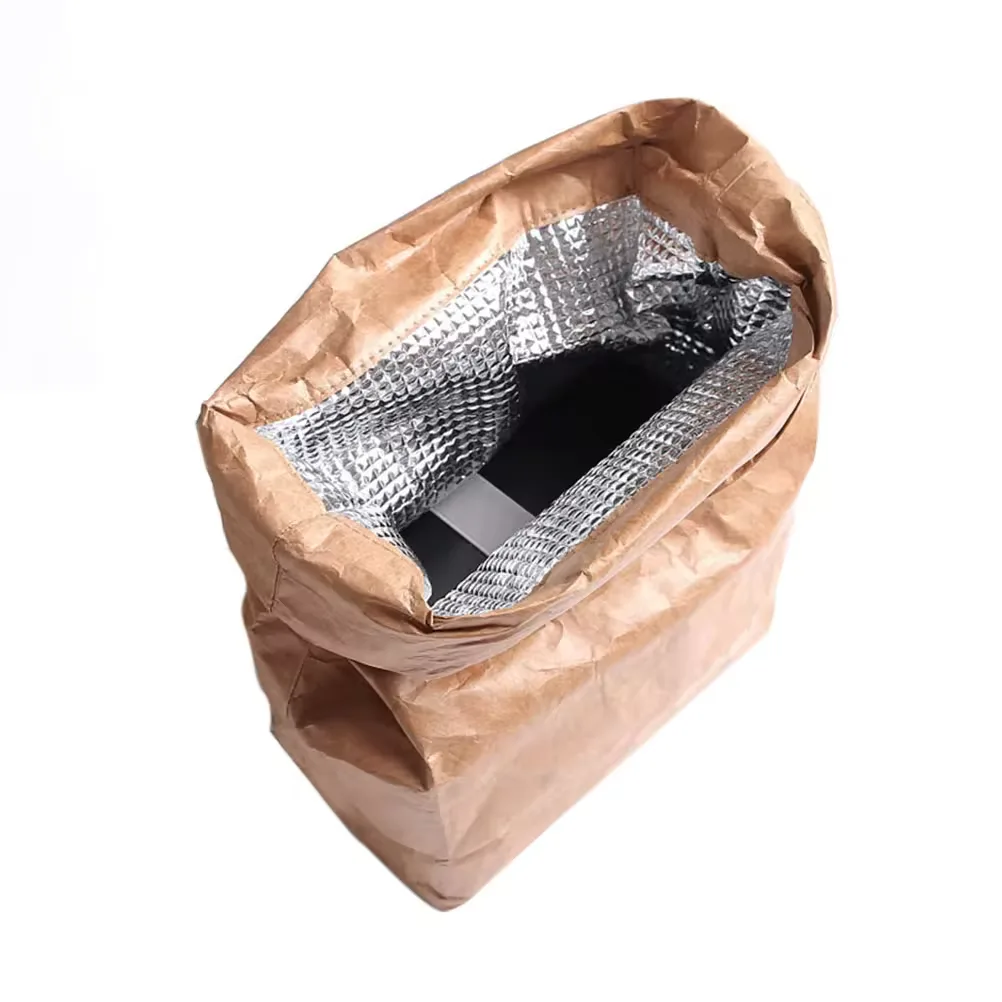
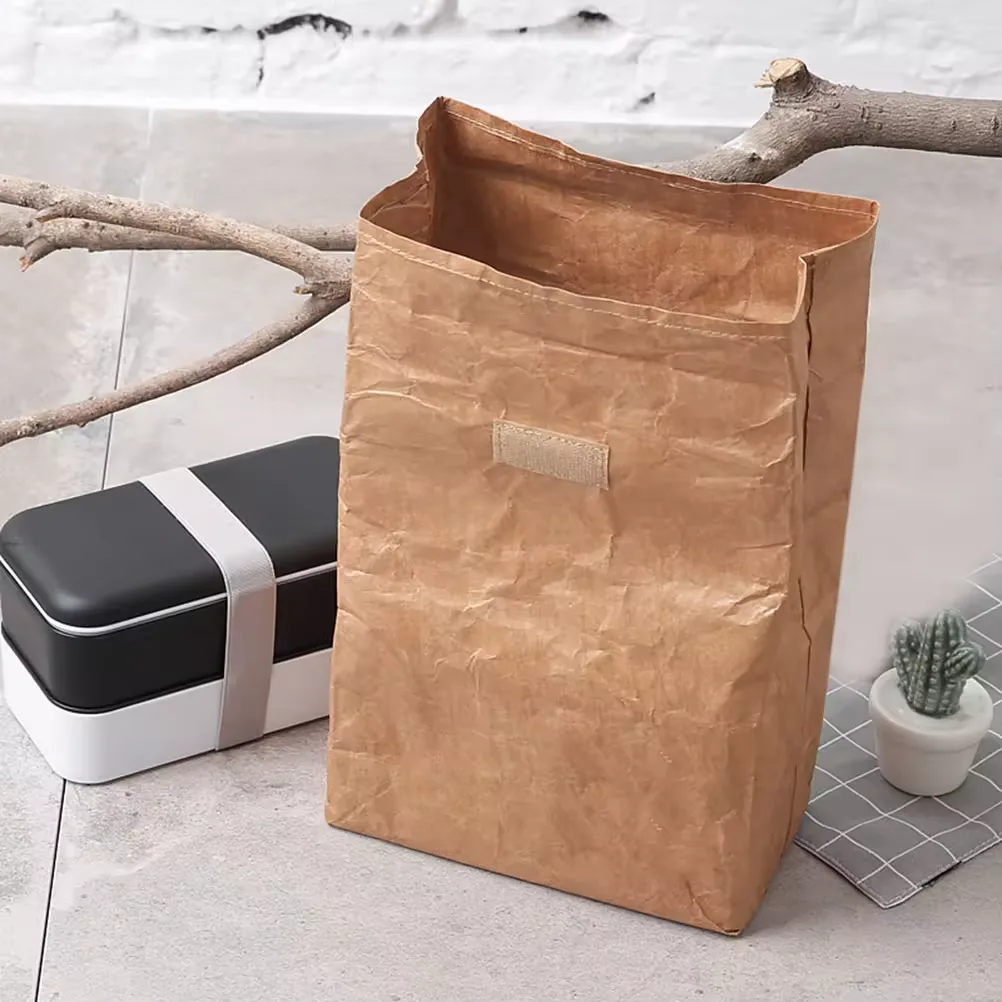
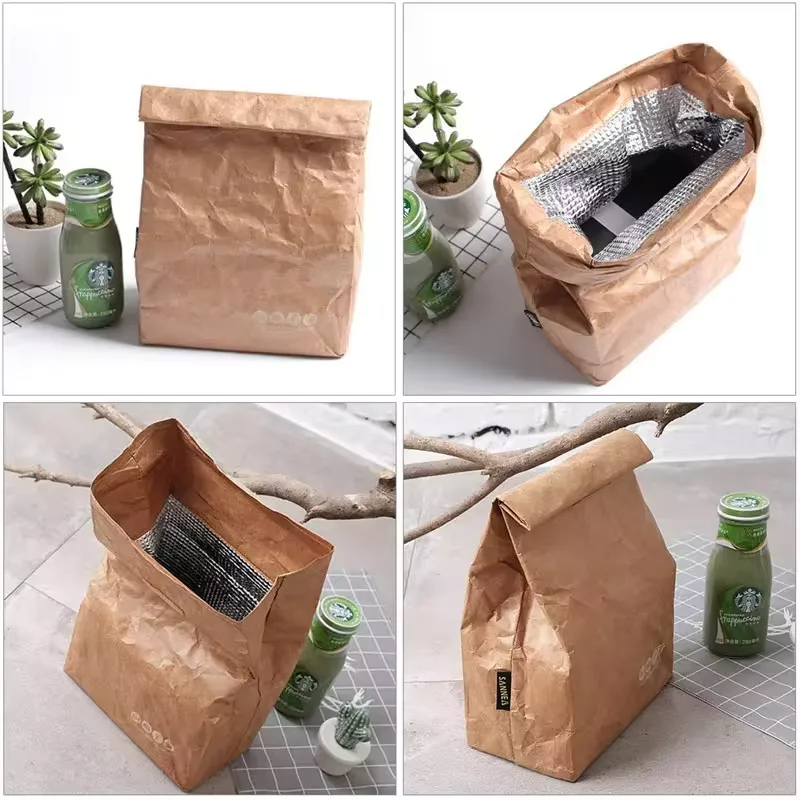
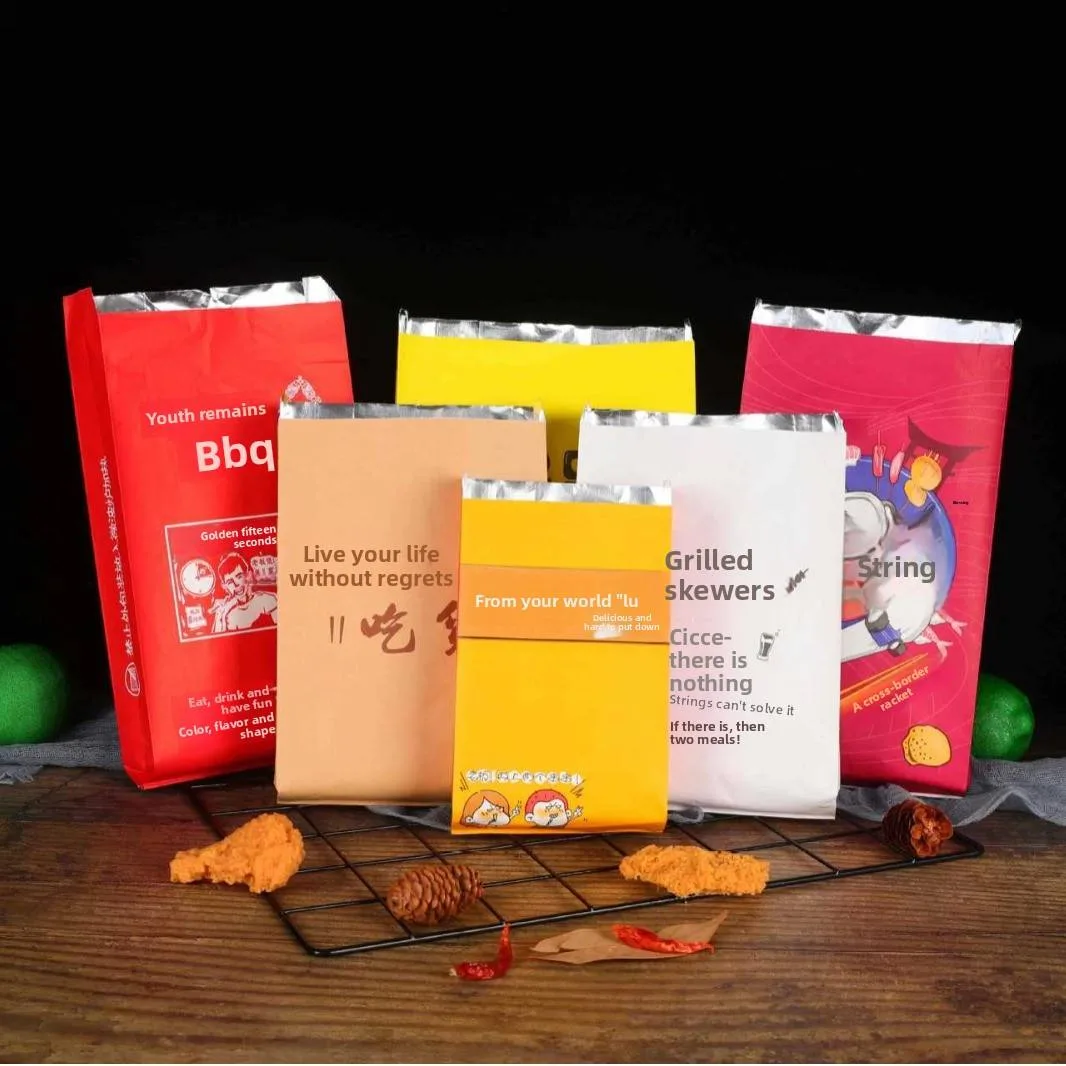
Brown kraft outside, sealed foil inside, and a base that squares up under load: that combination is what lets a paper bag carry a chilled meal without going soft at the bottom. The pouch is built as two layers rather than one laminated sheet. The inner foil liner is heat-sealed on its own, so the barrier stays intact whatever the outer paper does. A gusset runs up both sides, folded inward, and the top folds down onto two hook-and-loop tabs. Nothing here is a permanent seal, and it is not meant to be: this is a bag that gets packed, opened at the door, and packed again tomorrow.

Color

Size

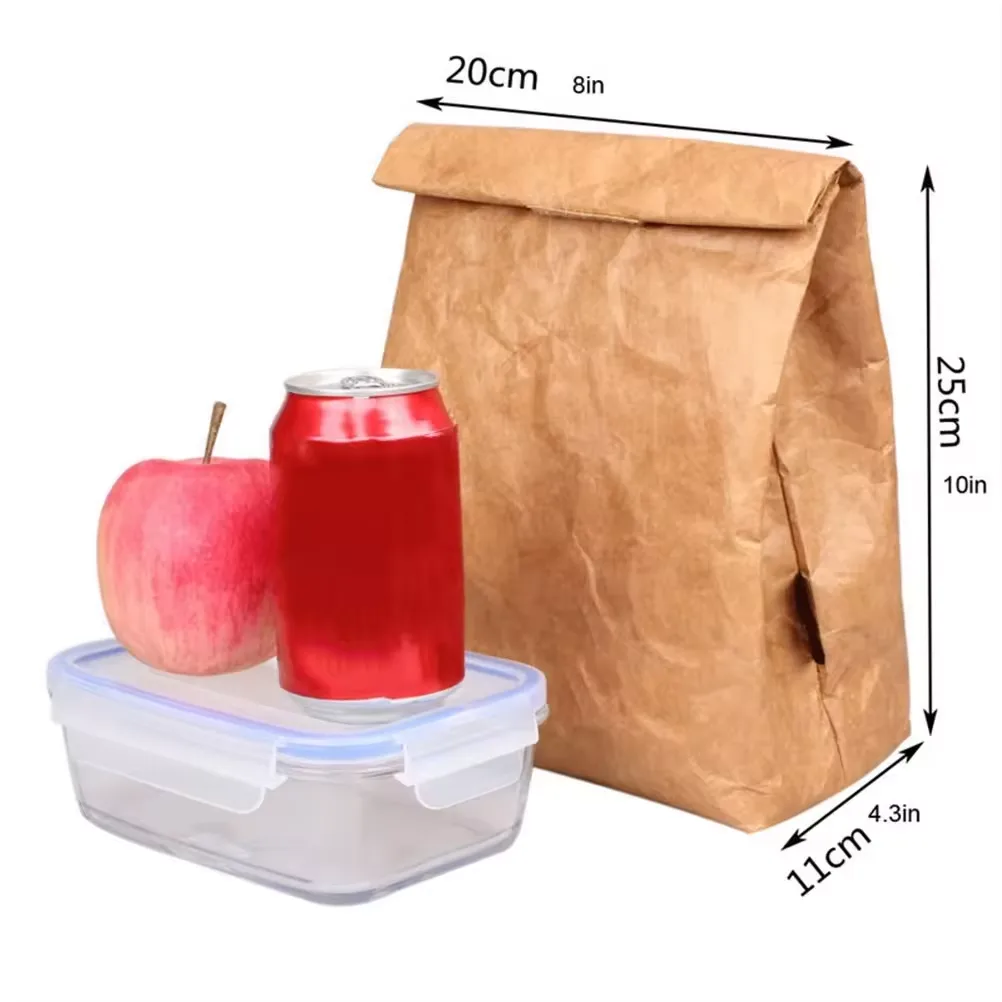
  • S (160 x 200 + 80 mm)
  • (200 x 250 + 110 mm)
  • L (250 x 300 + 120 mm)
  • XL (300 x 350 + 140 mm)
  • XXL (350 x 400 + 150 mm)
  • Custom Size Available

Shipping

Express (DHL/FedEx/UPS), Sea Freight, Air Freight

Payment Terms

T/T (Bank Transfer), L/C at Sight, PayPal, Western Union, Alibaba Trade Assurance

Lead Time

Samples: 3-5 working days | Mass Production: 15-25 working days

Samples

Contact us for FREE samples

Bag Format

Square bottom, side gusset both sides, folded inward, fold-over mouth

Handle

None

Closure

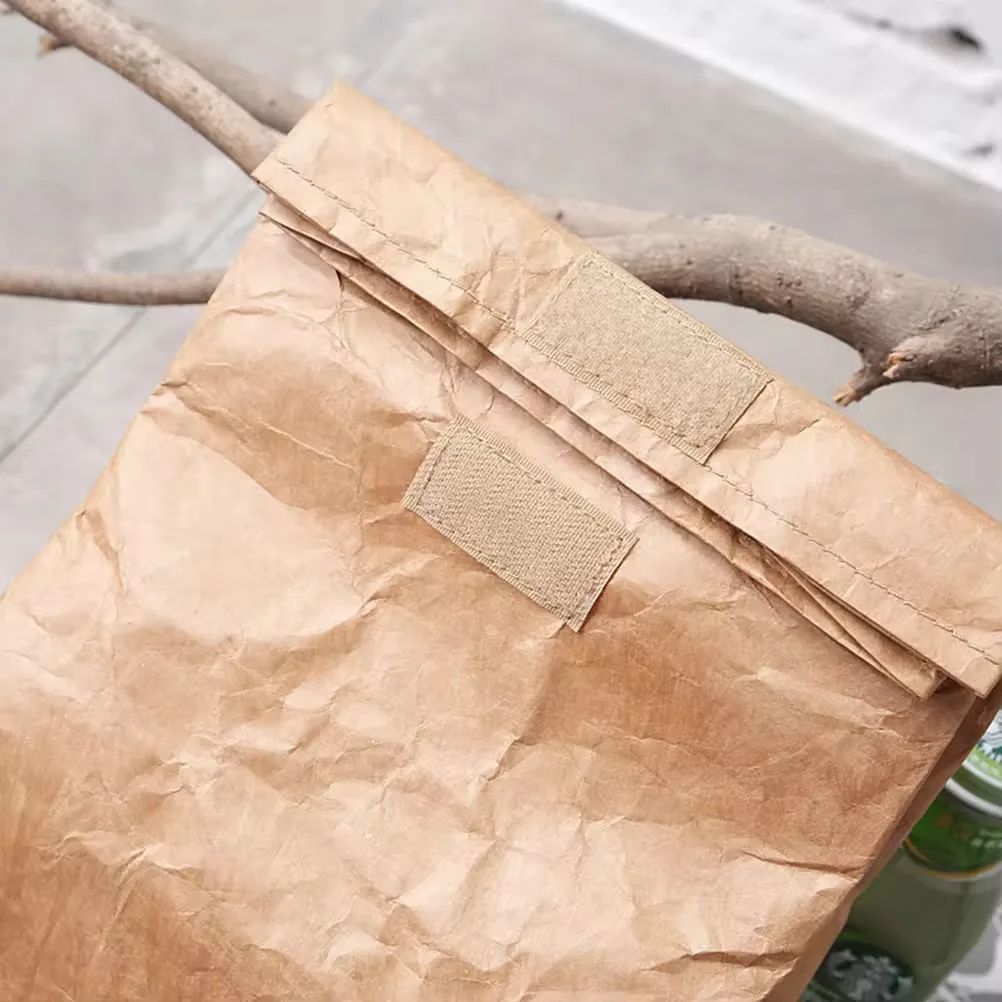
Two hook-and-loop tabs; not tamper-evident

Customization

Size / print / gusset depth / closure
Contact Us WhatsApp

Product Description

Paper Outside, Sealed Liner Inside

Description

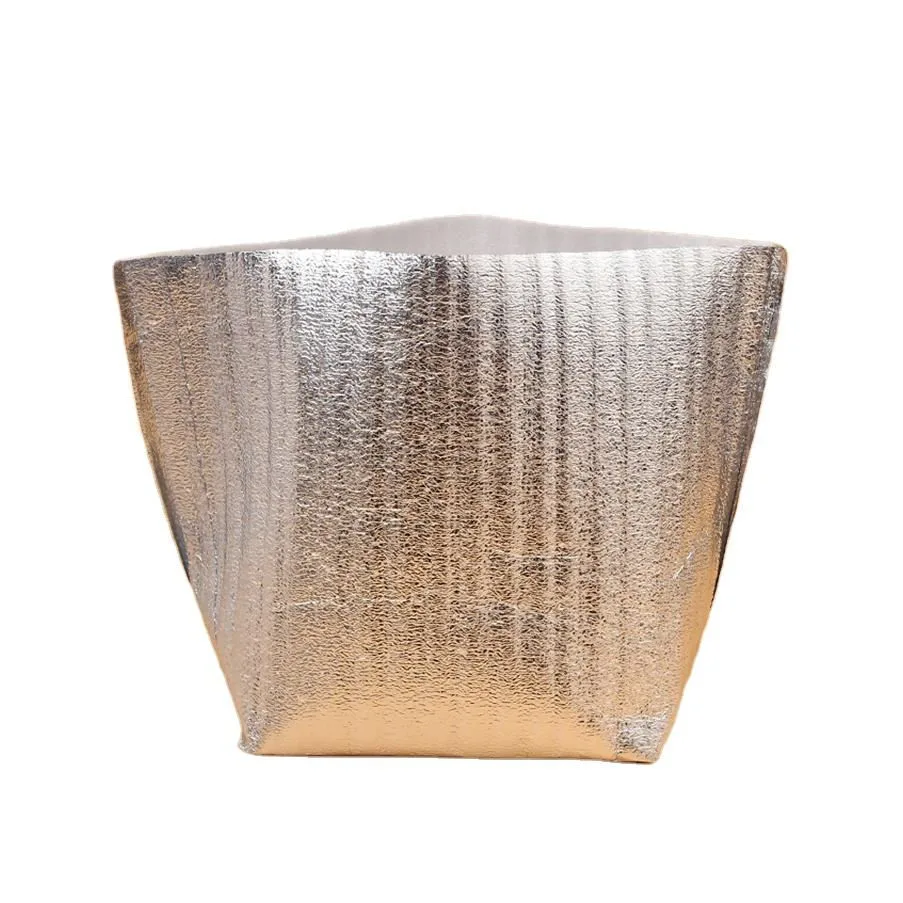
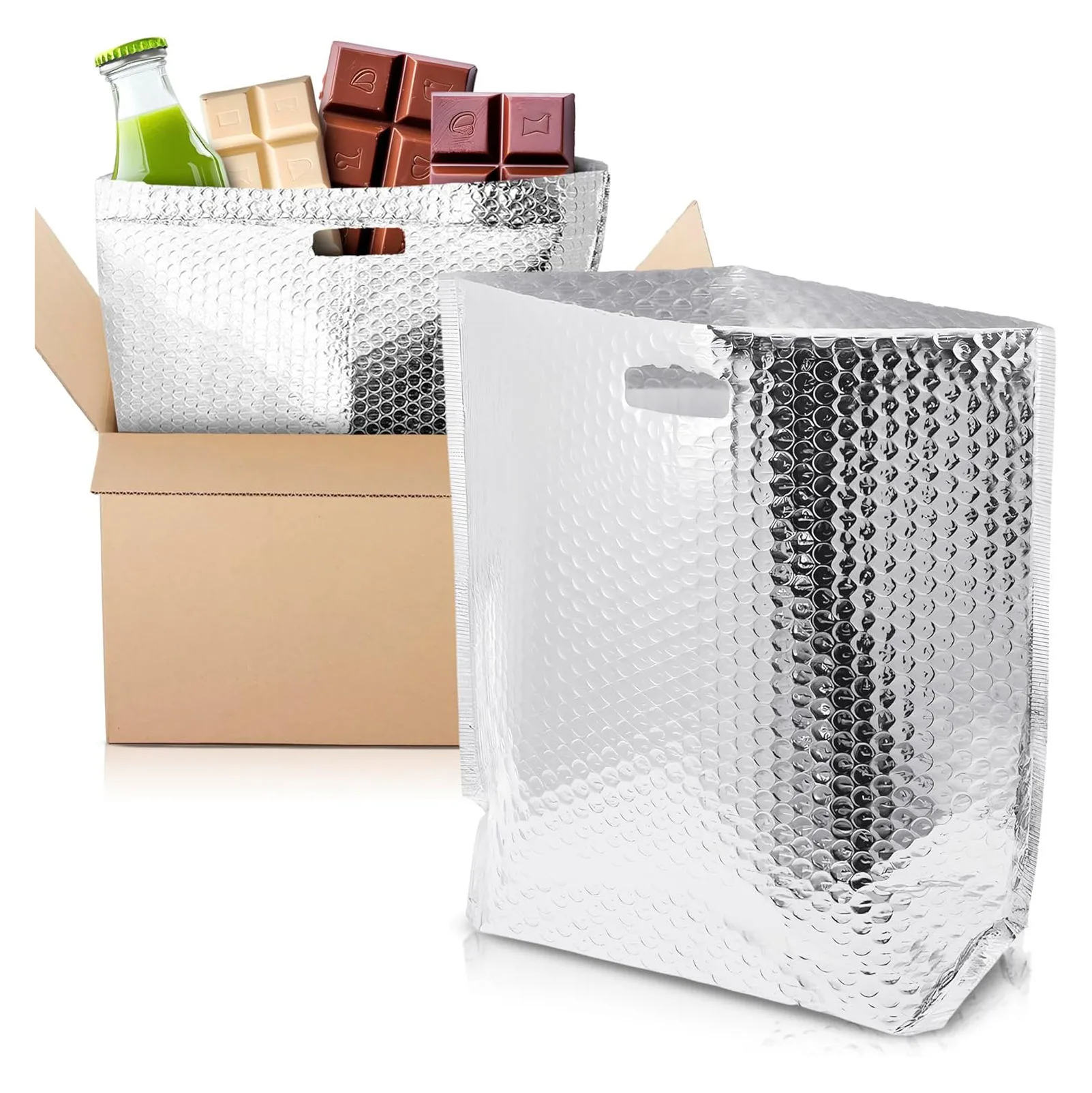
Four layers, and the first one is the reason this pouch reads as paper rather than foil. Outside is brown kraft, 80 to 120 gsm depending on how much structure the pack needs, and it takes the print. Behind it sits metallised polyester at 0.063 mm, the reflective barrier, then closed-cell EPE at 0.75 mm holding the air gap, and finally LDPE at 0.05 mm sealing the seams and facing the goods.

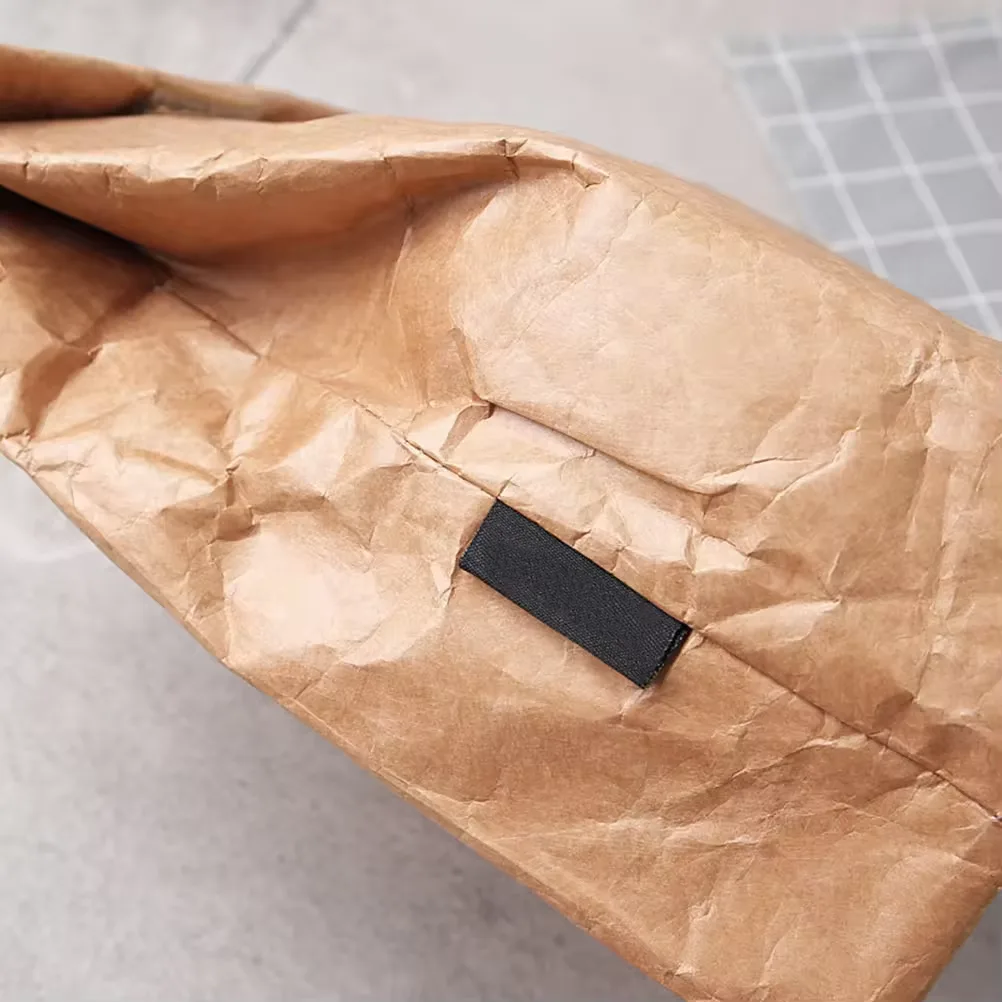
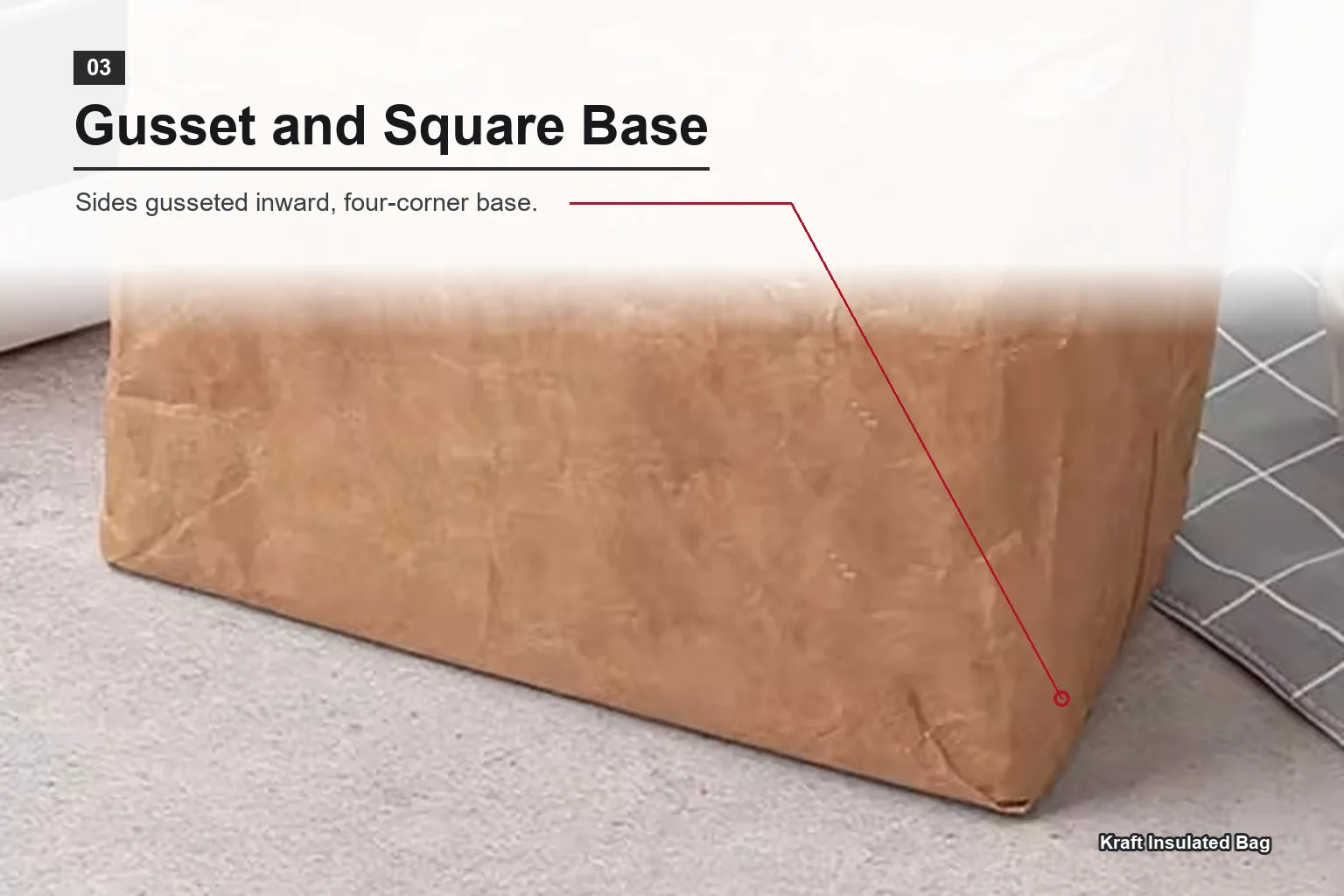
Both sides carry a gusset, folded inward so the wall tucks behind the front panel. On this format the gusset is what gives the pouch its depth, about eleven centimetres on the reference size, and it is also what keeps the packed shape square instead of pillow-round. Inward folding matters at the seam: an outward gusset leaves a ridge that catches on carton edges and tears the paper first.

The base opens into a square panel rather than a single crease. Four corners take the load instead of one line, which is why the pouch stands once filled and does not slump when the contents shift. Empty, the same folds collapse it near flat, so a few hundred stack where a rigid cooler would go. The cost is a second sealing pass at the base, and that fold must be pressed square or the pouch leans.

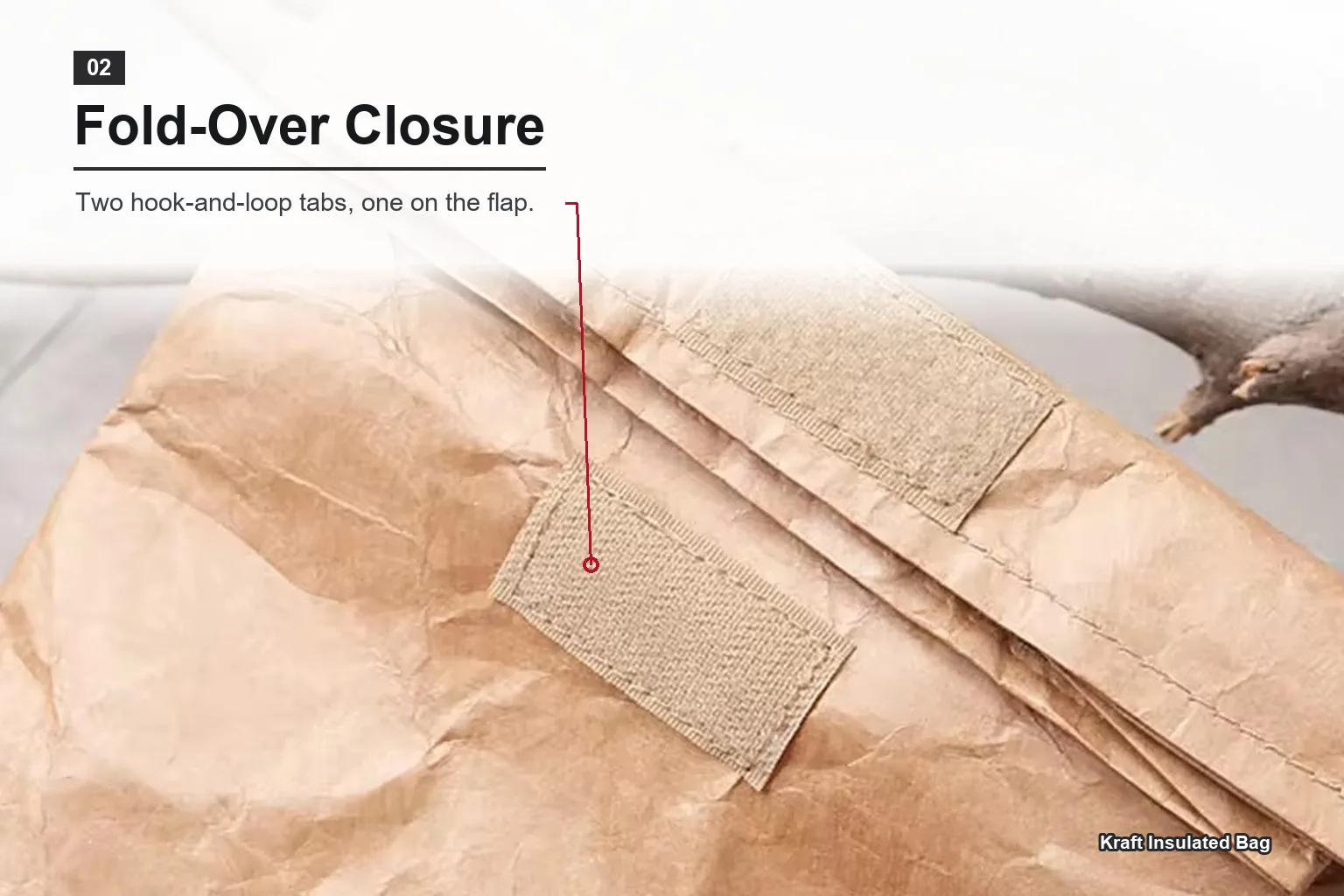
The mouth is a fold-over flap held by two hook-and-loop tabs, one sewn to the flap and one to the body. Fold the top down, press, and it stays. That is a closure for accounts that reopen the same pouch, not for anything that must prove it was never opened. Reference size is 200 by 250 by 110 millimetres; other sizes are cut to order.

Specifications

One Table to Quote From: Four Layers and Two Tabs
Parameter Specification
Structure Kraft outer plus sealed foil liner; square bottom, side gusset both sides, inward fold, fold-over mouth
Outer face Brown kraft paper, 80 / 100 / 120 gsm, printed
Barrier layer Metallised polyester (VMPET) 0.063 mm
Insulation core Closed-cell EPE 0.75 mm
Contact layer LDPE 0.05 mm, heat-sealed seams
Closure Two hook-and-loop tabs, one on flap one on body; not tamper-evident
Handle None
Base Square panel, second sealing pass at the fold
Reflective behaviour Passive metallised liner; hold depends on load mass and handling
Printing Flexo on kraft; offset on heavier grades for long runs
Origin Guangdong, China

Printing Process

Printing on Paper That Is Already Creased

Print goes on kraft, and kraft is not white film: it has a brown tone, a visible fibre and a creased surface, so the sheet you approve is the sheet you get. Most layouts work with the paper: one dark ink for the brand, one accent for handling marks, because four-colour images read muddy on brown. The flat front panel takes the main mark; the flap and the gusset carry small repeats.

Flexo is the usual route on kraft this weight, with water-based ink that sinks into the fibre instead of sitting on top. Offset is possible on the heavier grade if the run is large and the artwork needs finer detail, but the paper still wins the argument: a hairline that prints crisp on white film will break up here. Ask for a drawdown on the production kraft, not on a coated proof sheet.

Two places eat artwork on this pouch. The crease lines: kraft is already creased when it reaches the press, and any further folding adds a second set, so a solid panel that spans a fold will show a pale line within a few handling cycles. The flap edge: the top is folded back and stitched, and ink that runs to that edge will crack at the stitch line first.

Approval happens on a filled pouch, standing, photographed beside the flat sheet. Kraft shifts colour with the light and a flat proof flatters it. We press the flap closed on the sample so the buyer sees where the two tabs land, because that position is what the packer will see a thousand times. Keep that pouch as the run reference and judge reorders against it, not against a screen.

Lining Decoration

Where the Paper Stops and the Foil Starts

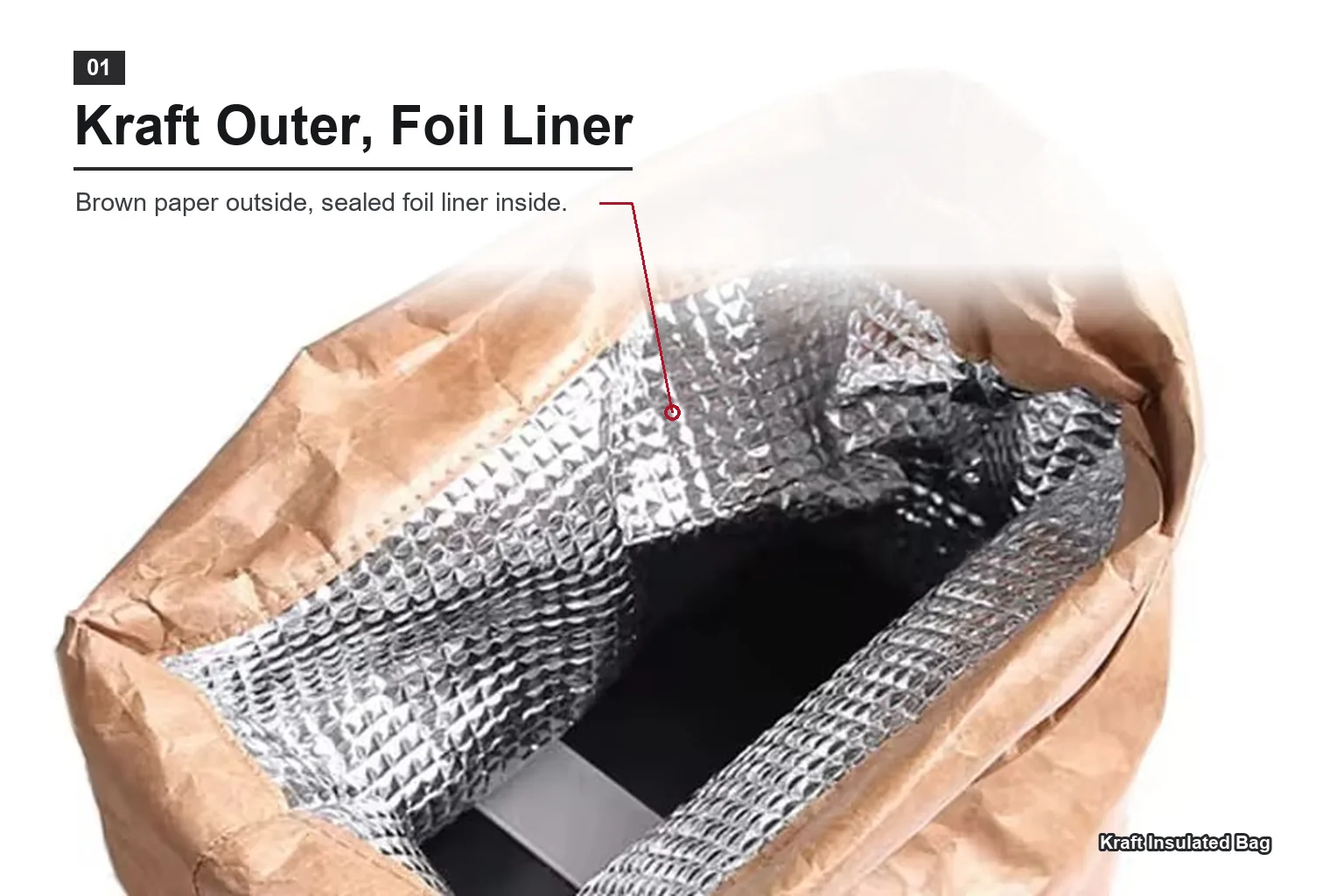
Kraft Outer, Foil Liner

Brown paper outside, sealed foil liner inside.

Fold-Over Closure

Two hook-and-loop tabs, one on the flap.

Gusset and Square Base

Sides gusseted inward, four-corner base.

Four layers, and the order matters. Brown kraft outside takes the wear and the print; metallised polyester behind it reflects; EPE at 0.75 mm holds the air gap; LDPE at 0.05 mm seals the seams. The liner is a bag in its own right: at the mouth the kraft and foil are separate, so the inner layer seals while the outer flap folds over.

The failure is condensation, not cold. A kraft bag alone wicks moisture and goes soft at the base within an hour of a chilled load; the foil liner stops that at the surface.

Get In Touch With Us

Reach out for any inquiries, support, or to discuss how we can meet your industrial needs.
  • Address

    North Side Of Nanyi Road, Shiwan Town Science And Technology Park (10th Floor, Building 1, No. 13)

Contact Me

    You can upload a PDF or an image(max 5MB)

    INQUIRY