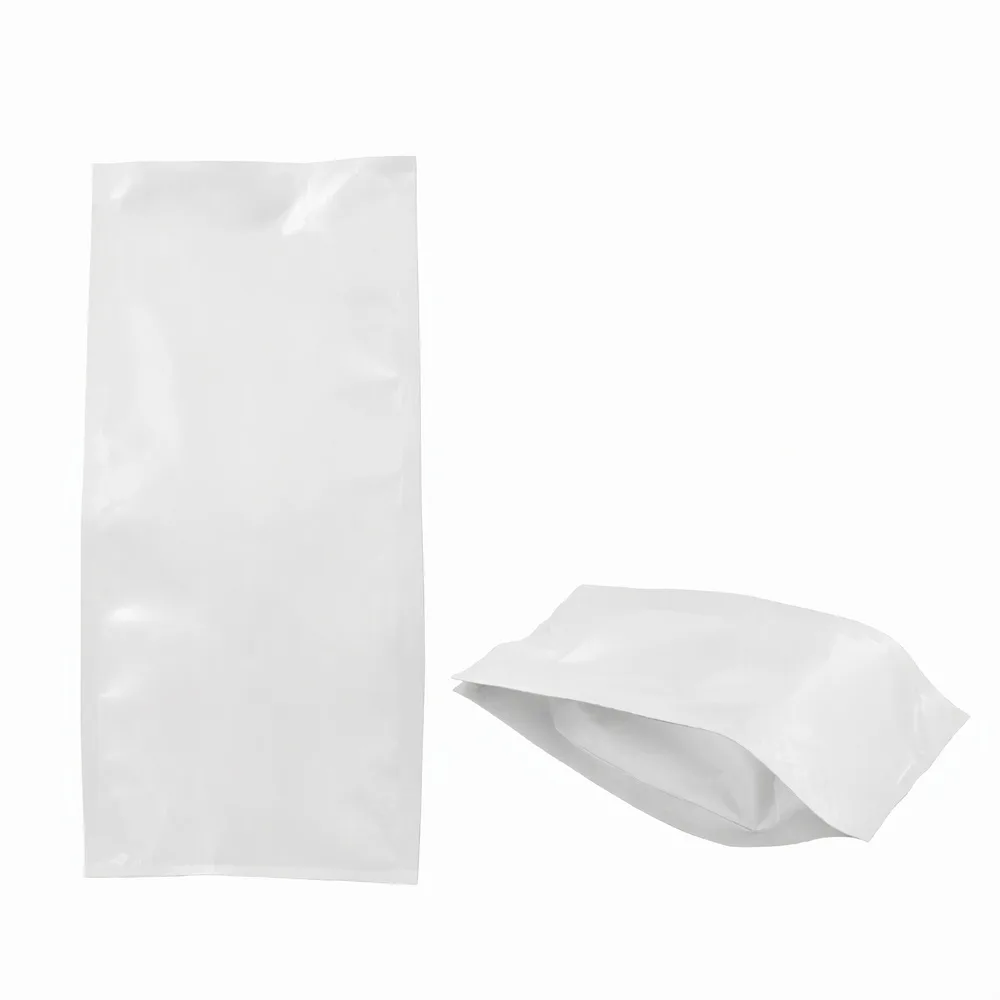
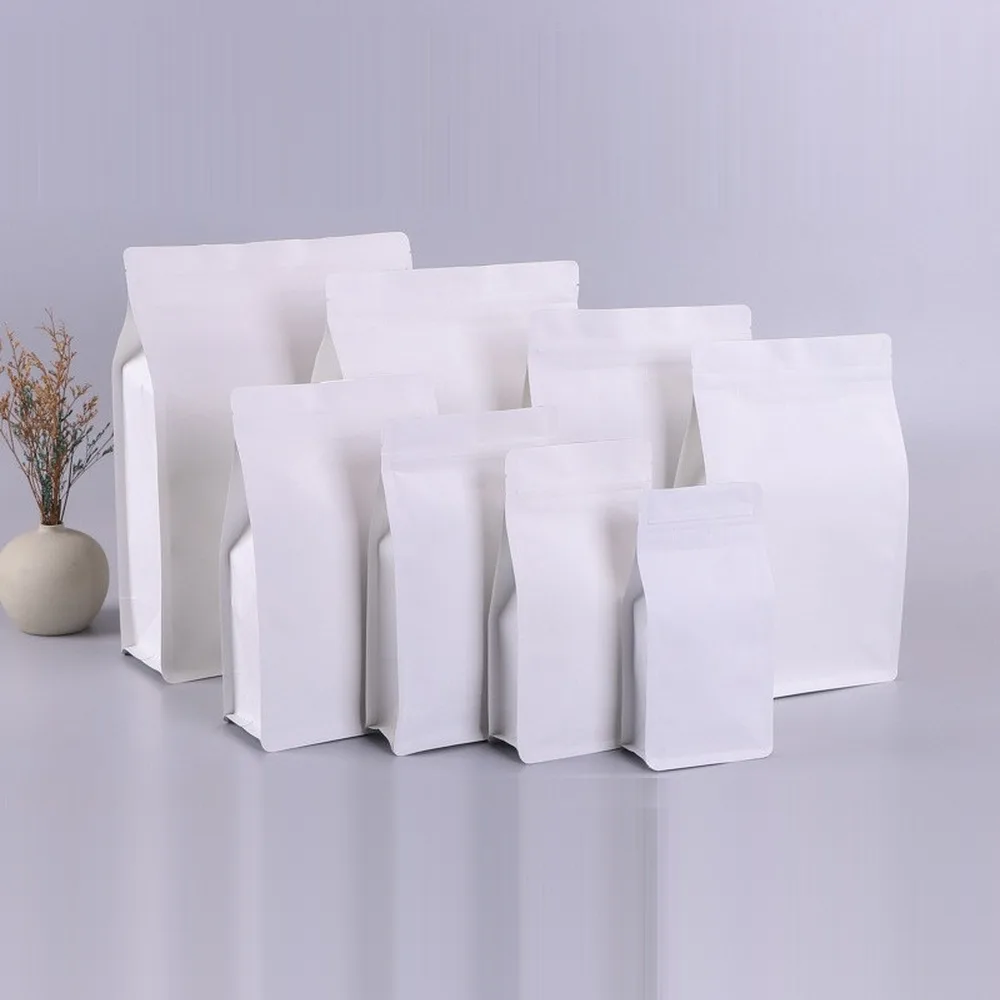
An insulated mailer is three plies: a face, a foam core, a lining. The core is decided by physics and the lining by what touches the goods. The face is decided by everything else – what reflects, what prints, what survives a wet doorstep – and it is the only ply the buyer ever sees.
One core, three faces
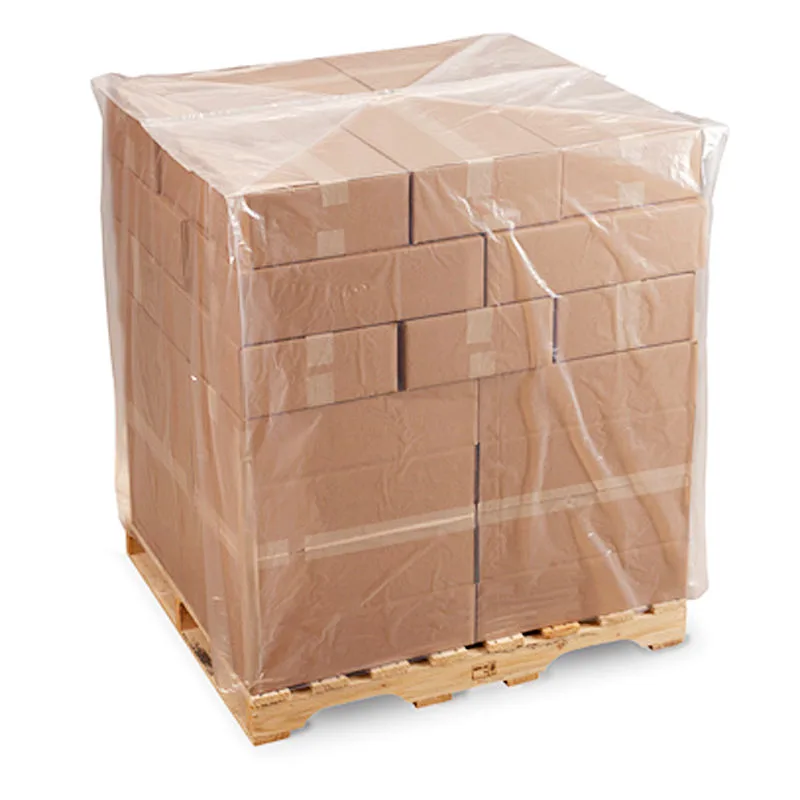
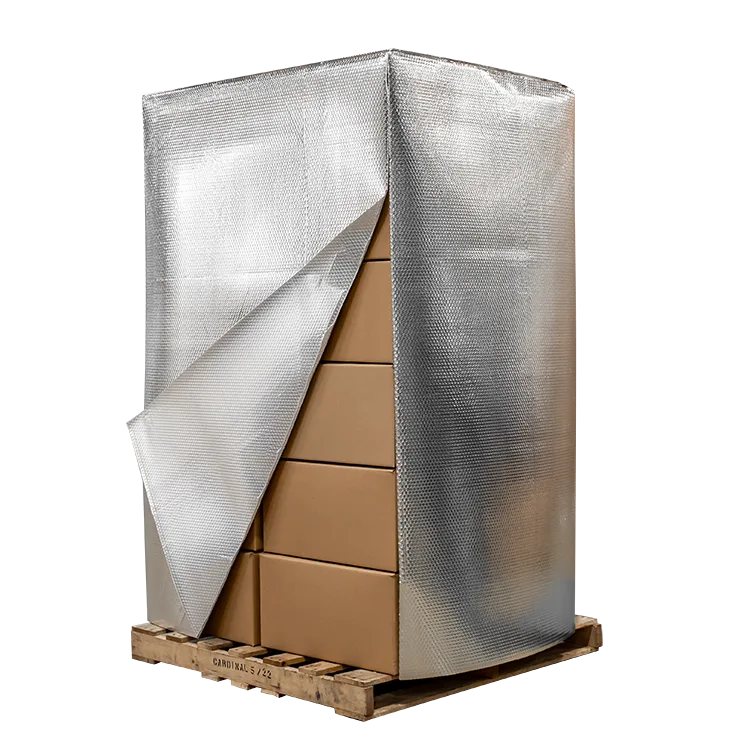
Two suppliers can quote the same 20 mm foam and the same welded edges and still hand you different parcels, because the face on the outside sets the price, the shelf look and half the performance. This is not a theoretical comparison: our own vacuum-compressed EPE foam mailer is offered in mirror foil, kraft paper and a white waterproof film, on the same core.
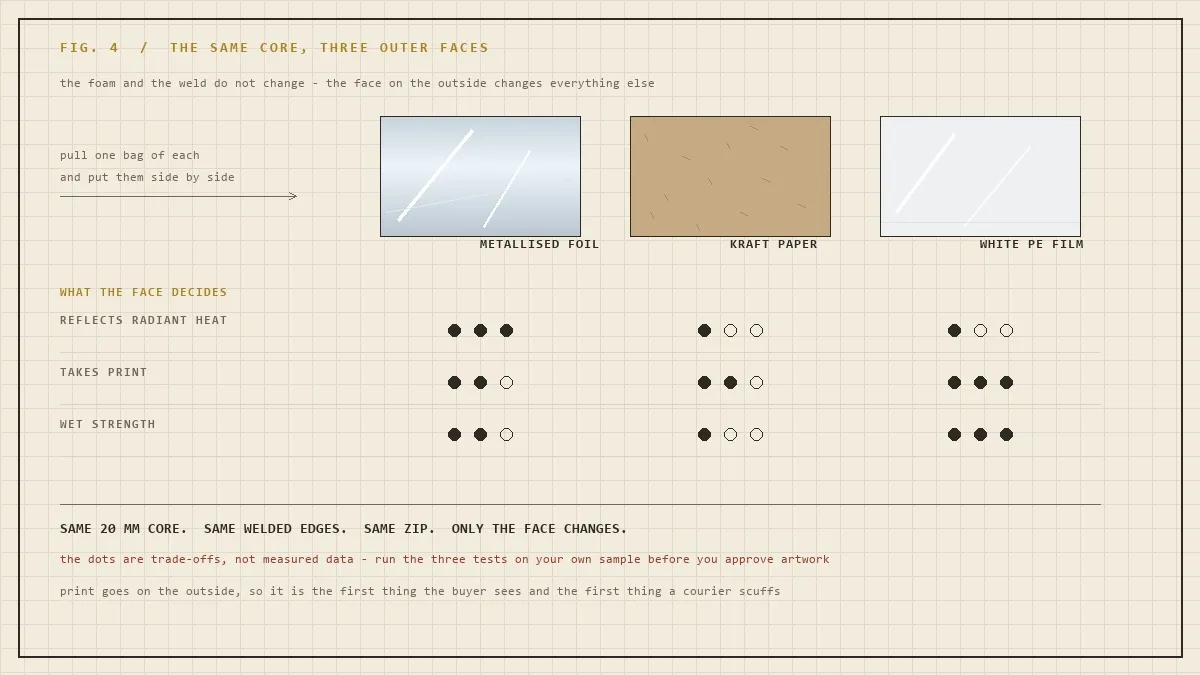
Fig.4 The same 20 mm core behind three faces: what each one reflects, what it prints, what it survives
Read it as a trade, not a ranking. No face wins all three rows, which is why the honest answer to “which is best” is a question about your route.
Foil reflects, kraft absorbs, film shrugs
Radiant heat is where the three separate. A metallised face radiates very little, so on a warm dock it turns heat away instead of soaking it up the way a white PE face does. Kraft is paper and behaves like paper: no barrier, no reflection. None of the three stops heat travelling in through a welded seam, which is the foam’s job, and that is why a face alone never makes a cold chain parcel work. The full set of paths is in the three paths heat takes into a parcel.
Test one: a warm room and three identical packs
Put the same frozen gel pack in three bags, seal each one the same way, and leave them side by side in a room at your warehouse temperature. Check the contents every 30 minutes and write the numbers down. One set proves nothing, so run three of each: a single bag that was sealed badly reads as a material result.
What you are watching for is a gap that widens. If foil and kraft track each other for the first two hours, the radiant load on your lane is small, and the choice should be made on print and water instead.
Test two: print it before you choose it
Print behaves differently on each face, and artwork approved on a flat proof will surprise you on a finished bag. On metallised film the ink sits on silver: a white base coat goes down wherever a colour must read as that colour, deep solids come out grey, and metallic ink is wasted on a surface that is already metal. Kraft takes ink straight into the fibre, so light tints pick up the paper’s own tone. White PE prints cleanly and takes the tape and the address label, which is why so many parcels that get handled hard end up white.
Ask for a printed sample on the actual face, checked under the strip light your warehouse uses rather than in daylight.
Test three: the wet doorstep
Kraft is paper. A wet van, a damp doorstep and a soaked sorting bay all soften it, and the print goes with the surface. Foil and PE shed water, and their weakness is mechanical rather than chemical: foil creases and scuffs, and a scuff on bright silver is visible from across a room. A matt silver grade scatters the glare that makes bright silver hard to photograph, and it reflects a little less. That is the trade you are making.
Where each one wins
Mirror foil belongs in cold chain where the radiant load dominates and the parcel gets photographed: pharmacy, meal kits, cosmetics. The metallised foil insulated mailer is the version built around that job. Kraft belongs in brand-led ecommerce that wants a paper look and prints its story on the face; the eco kraft thermal mailer is that option, with one caveat: a recyclability claim needs evidence in the market you ship to, on the face and in writing. White PE belongs on parcels that get rained on, labelled by hand and read by a scanner, which is what the white PE foam insulated mailer is for.
If you are still torn, a sample decides it faster than a specification: three tests, one afternoon, and a printed face to hold. A wrong plate costs a run. A wrong face costs a season of returns.
Tell us the route, the temperature range and the artwork, and we will send the three faces printed with your design so the comparison happens on your own table.
Send us the face you are considering