Hot & Cold Thermal Bags, Insulated Mailers & Cold Chain Delivery Packaging

Fertilizer, Pesticide & Agrochemical Packaging

Cleaner, Laundry & Air Care Packaging

Custom Medical Packaging Solutions

Protective Structures, Inserts and Retail Packs

Custom Protein Powder Pouches, Vitamin Stick Packs & Nutrition Bar Bags

Cosmetics, Fragrance and Skincare Packaging

Takeout, Bakery and Beverage Packaging

Kibble, treat & wet food packaging
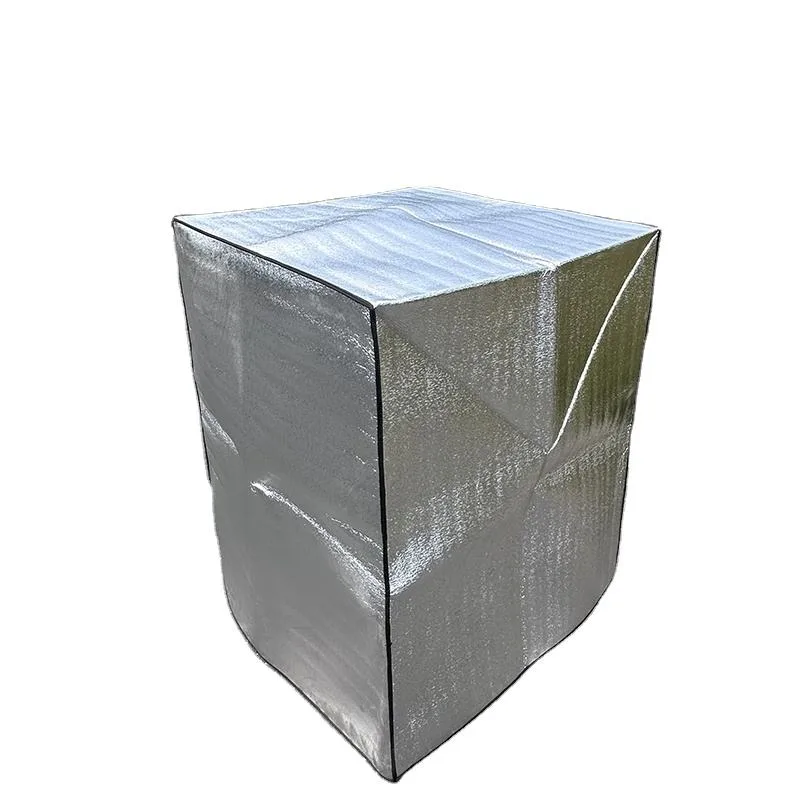
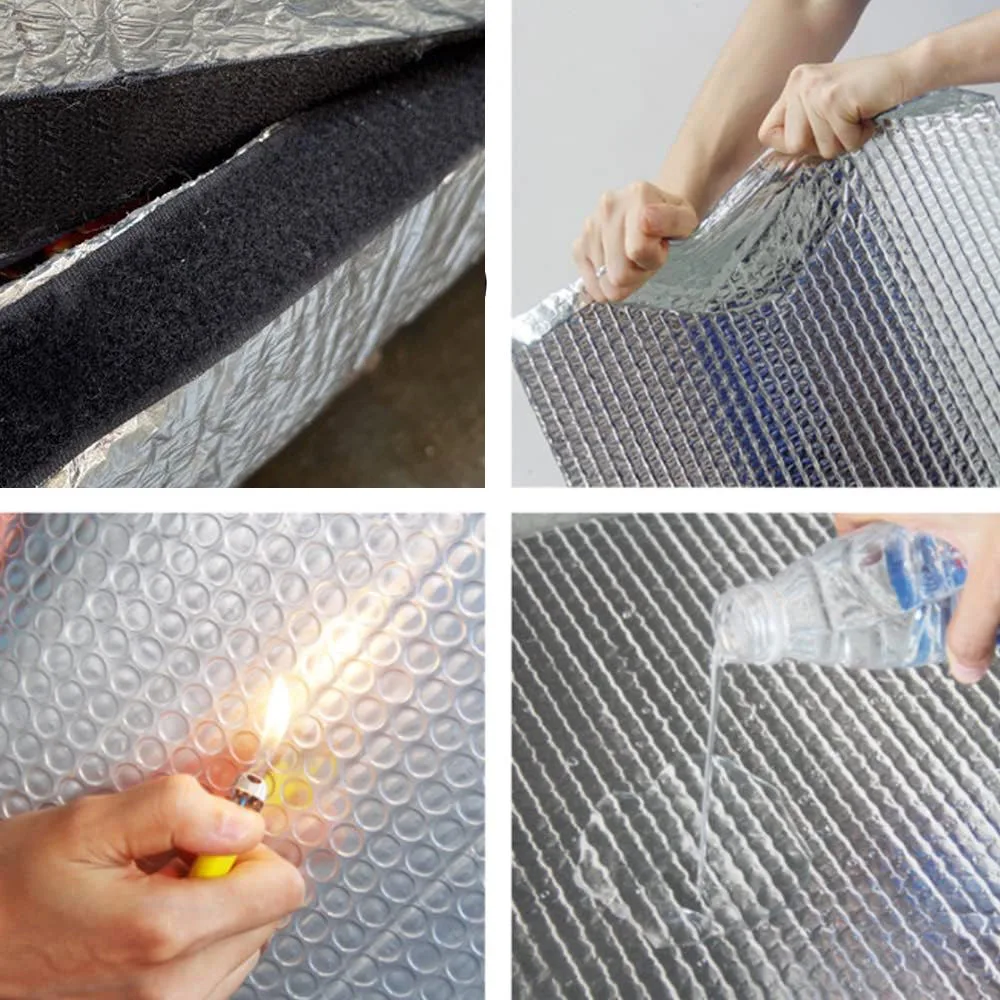
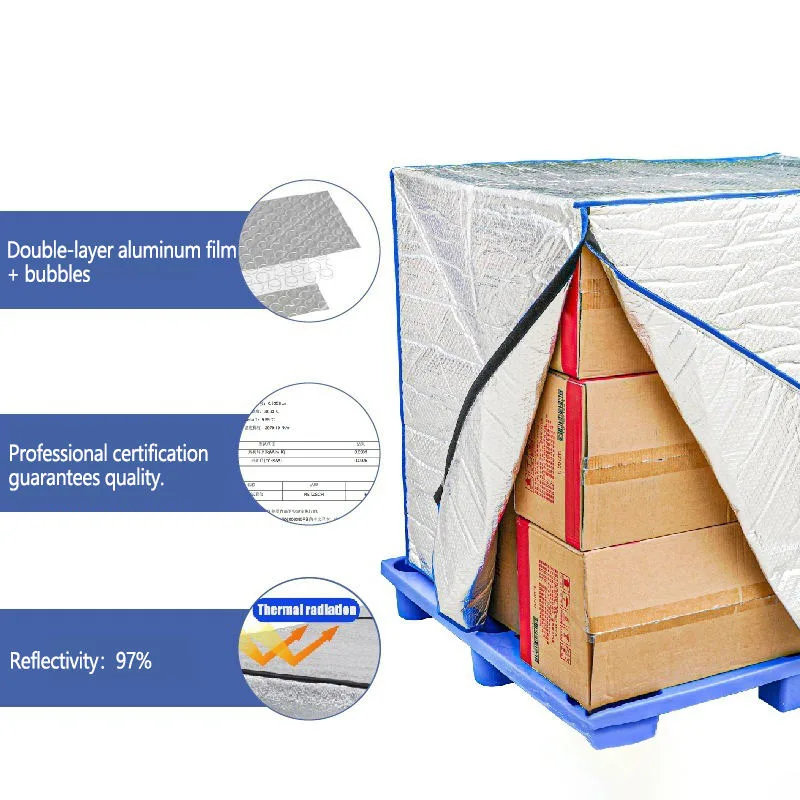
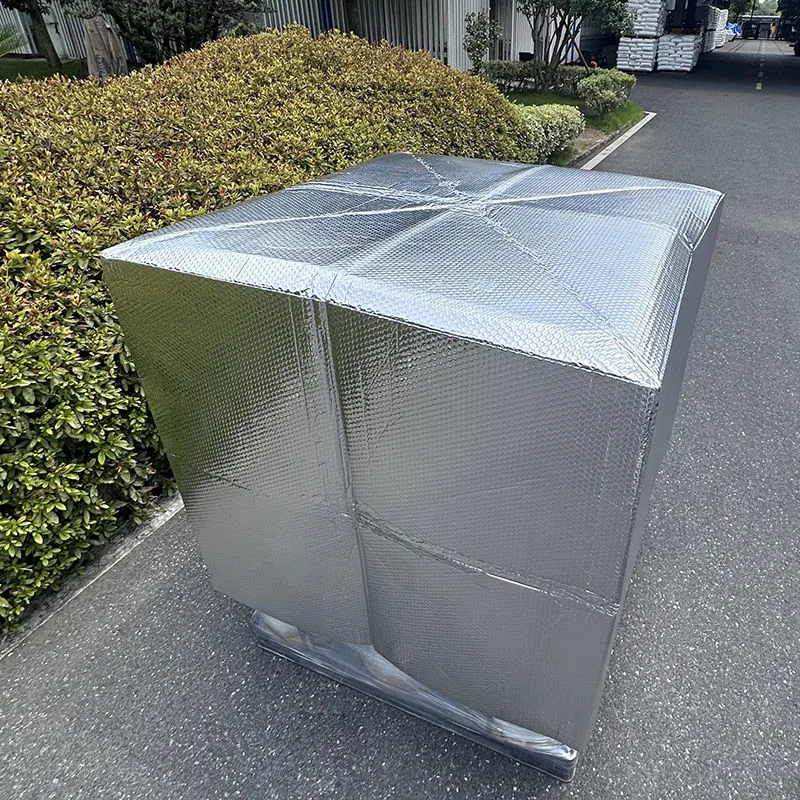
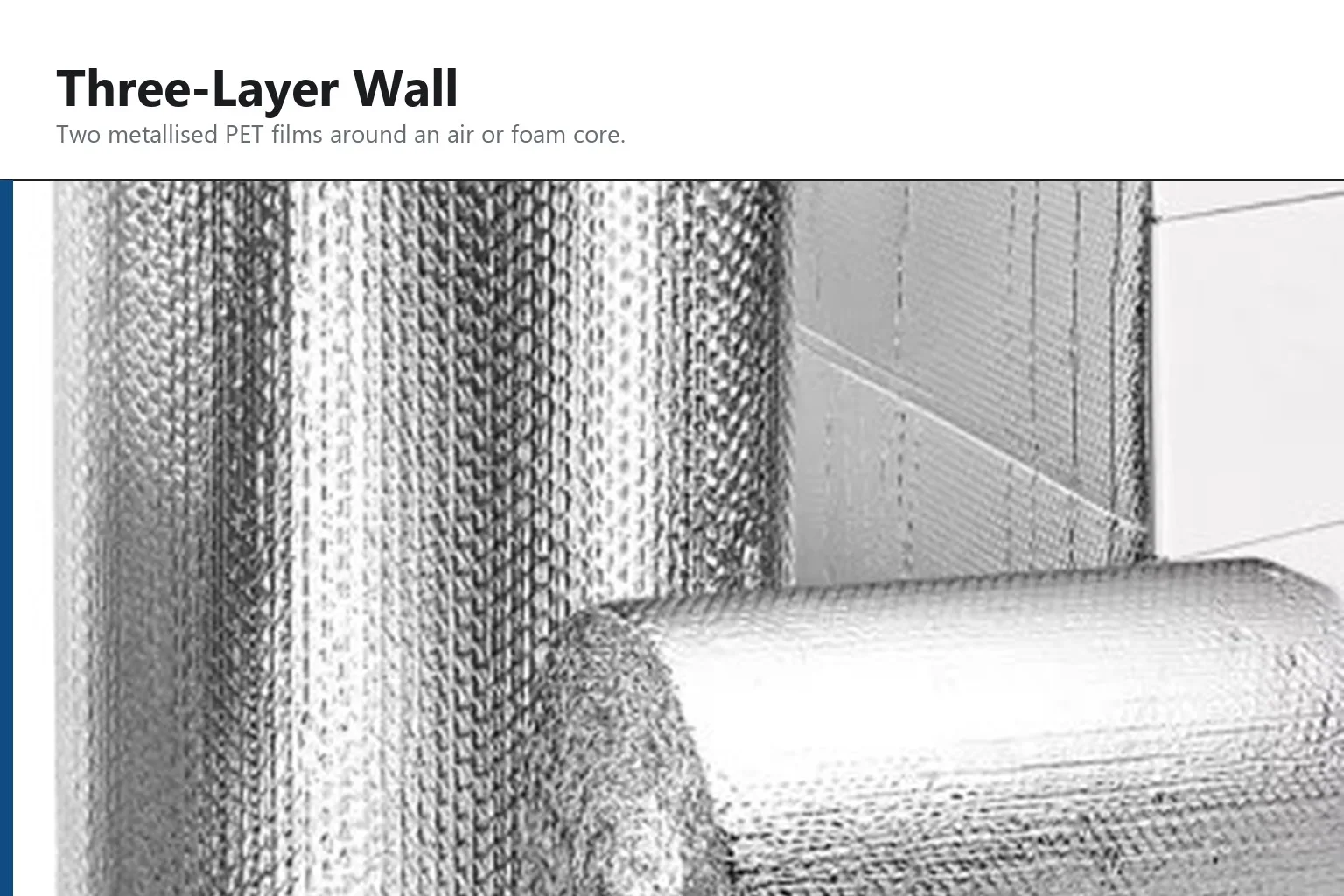
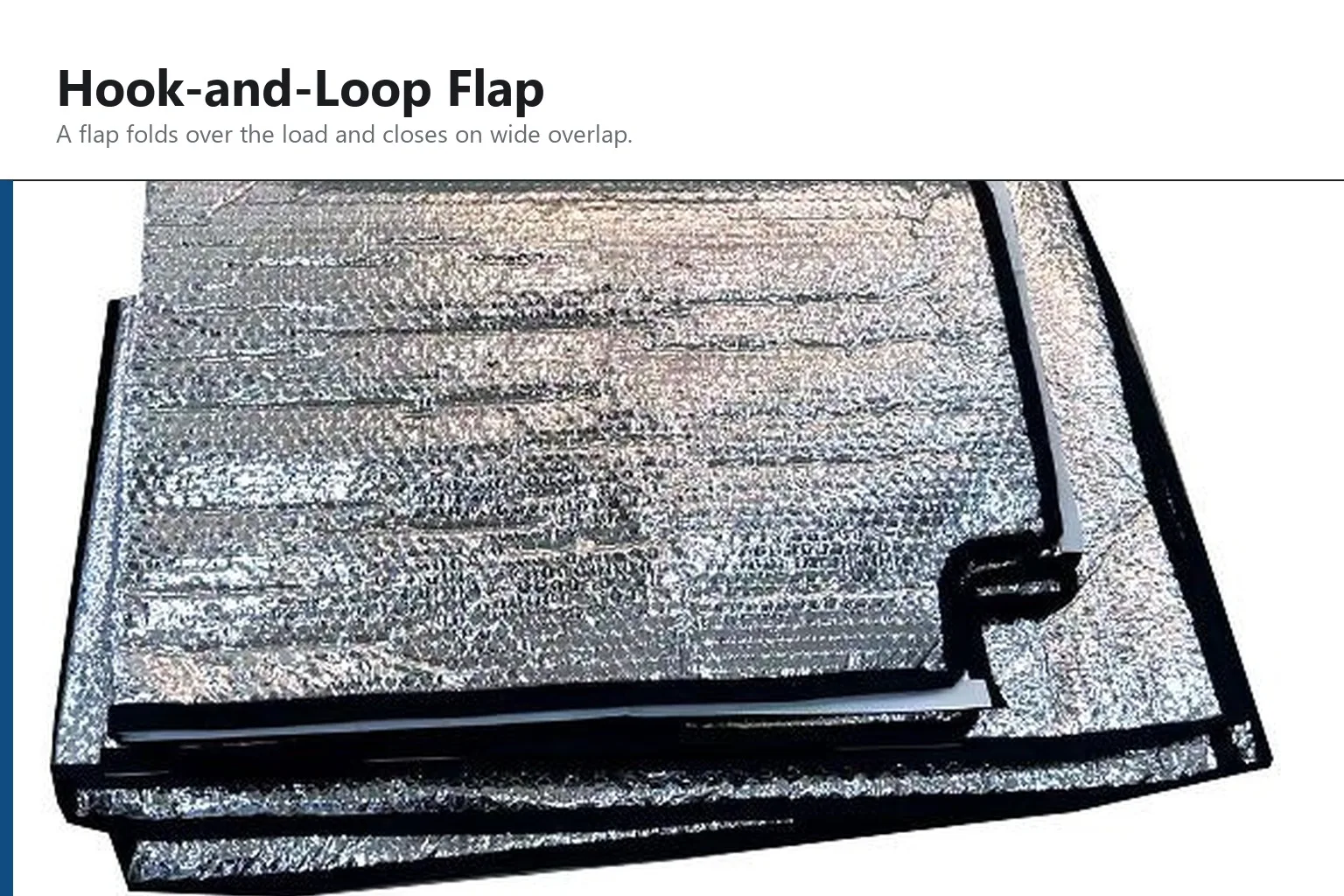
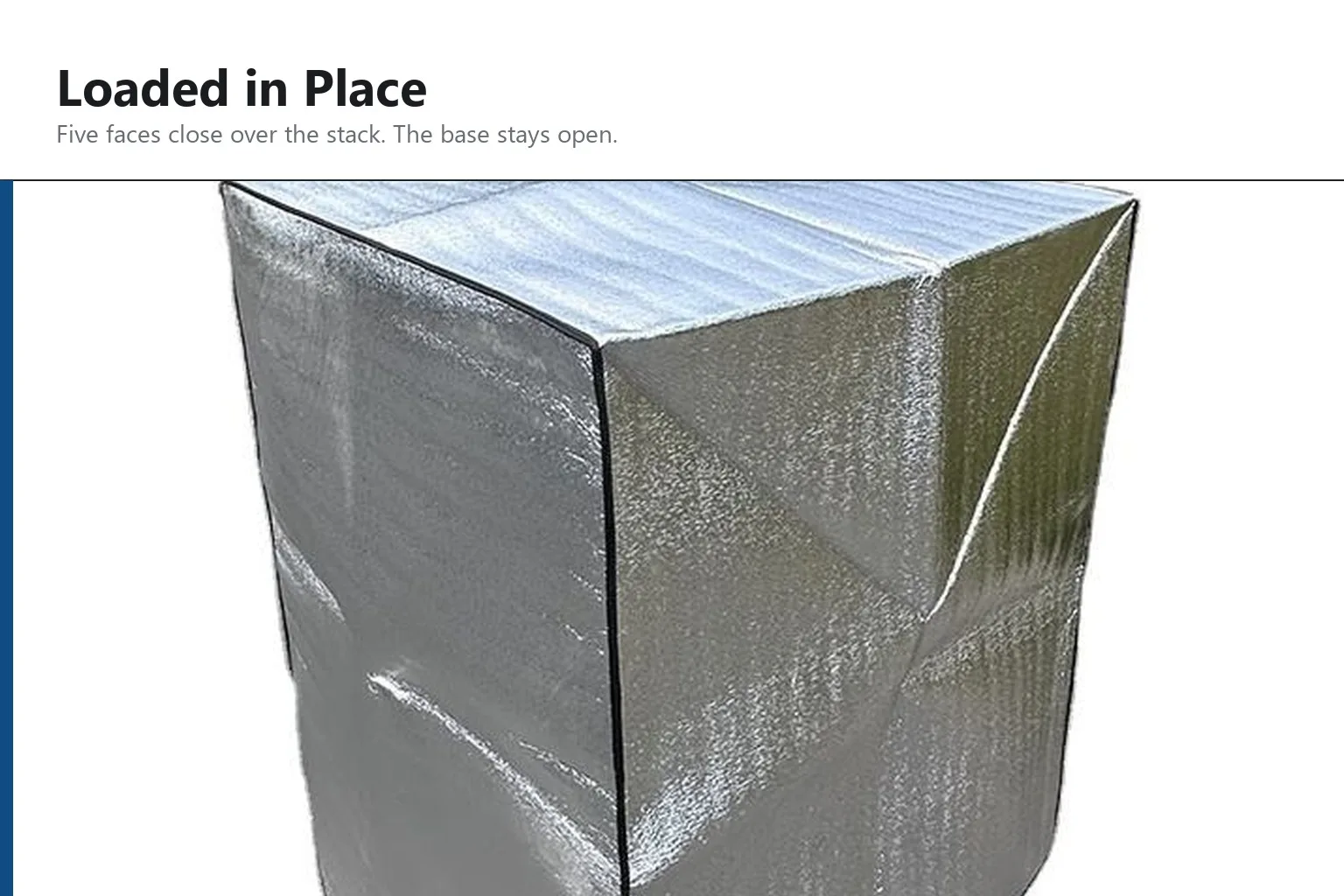
A loaded pallet leaves the chiller and the clock starts: the dock, the truck bed, the warehouse floor, every one of them warmer than the load. This cover wraps five faces of the stack and drops to the pallet deck, so the reflective wall sits between the goods and the room instead of on one side of it. The wall is a laminate: metallised PET film outside, an air or foam core, metallised PET film inside. Bubble runs at four millimetres, EPE at three or five, and a woven carrier version at 0.12 for rough handling. A hook-and-loop flap folds over the top, so one person can close it after loading, and the cover folds flat for the trip back.
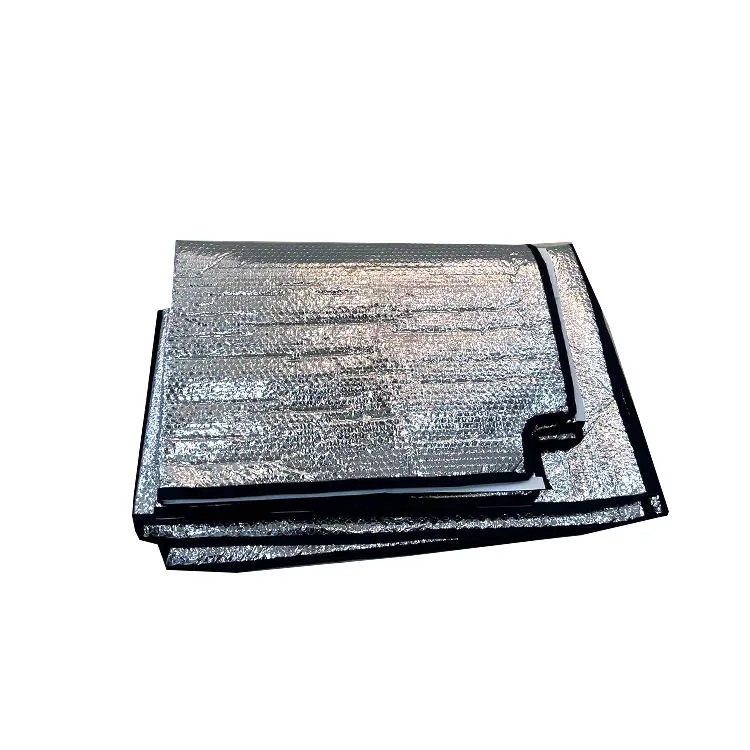
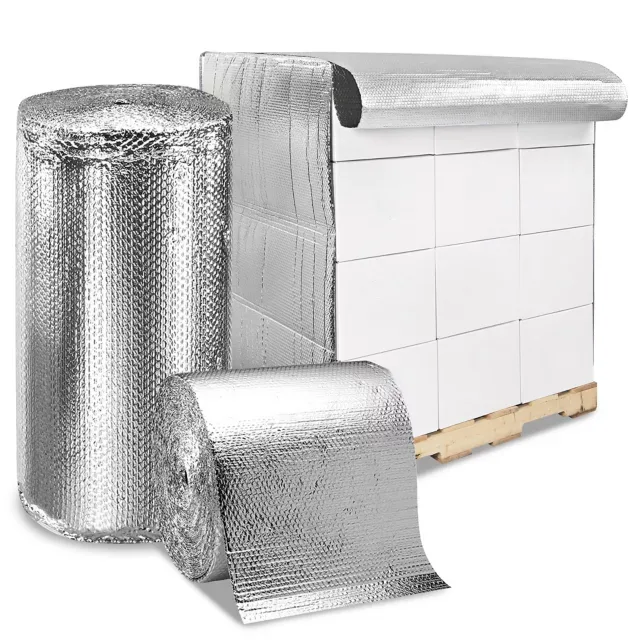
Three builds share one outer skin. The bubble build sandwiches a four millimetre air core between two metallised PET films; the EPE build trades that core for three or five millimetres of closed-cell foam; the woven build laminates 0.12 mm metallised film to a non-woven or PE woven carrier for mechanical toughness. All three show the same silver face out, the same smooth face to the cartons, and all three are cut as a five-sided cover.
Putting it on is a one-person job. The front flap opens the full height of the stack, the cover drops over the top, and the flap folds back down and closes on hook-and-loop, with an overlap wide enough to grab with gloves on. Empty, it folds to a flat pack that goes back on the truck and covers the next pallet, which is what makes a returnable cover cheaper than wrapping each load once.
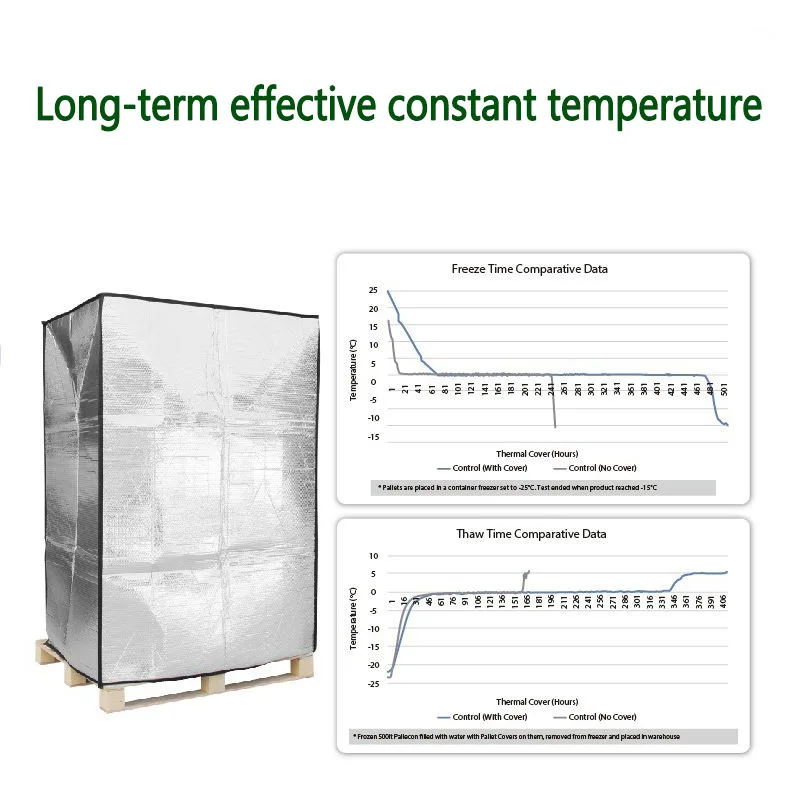
With gel packs inside the stack the works describes a hold of roughly 15 to 25 degrees C, which suits pharmaceuticals, chemicals and cosmetics moving on a controlled-ambient lane rather than a frozen one. It is a passive wall, not a refrigeration unit: how long the band lasts depends on the pack mass, the load, the number of times the flap is opened, and the weather on the dock. We quote the wall, not a hold time.
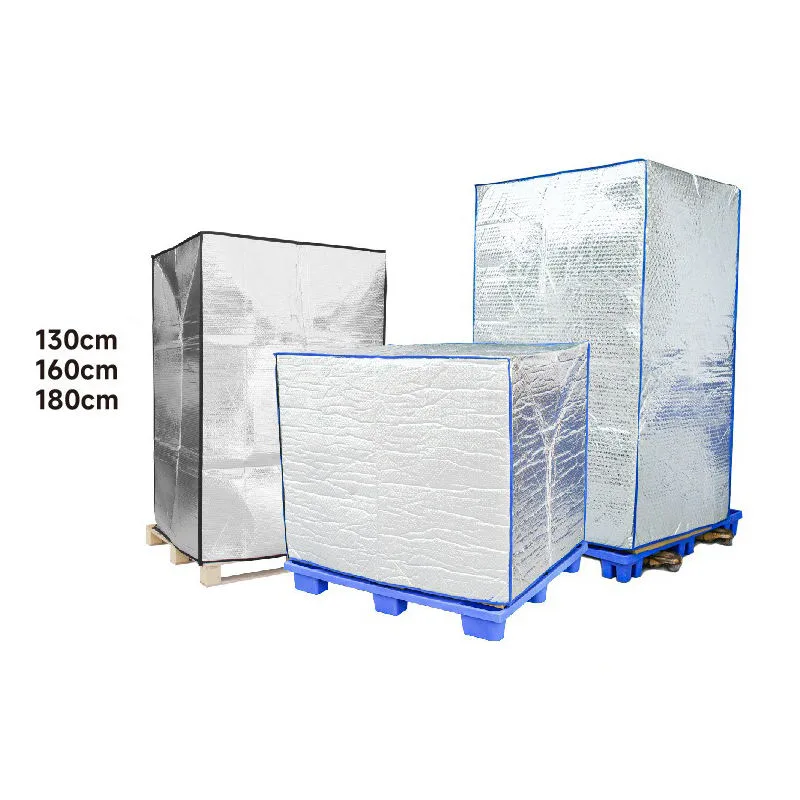
Sizes follow the pallets the trade actually uses. The seven stock footprints sit around 1200 by 1000 and 1200 by 800 millimetres with heights from 1200 to 1600, so a standard pallet is covered to the deck without a skirt pooling on the floor. Anything else is cut to order. The one face the cover cannot close is the bottom: the pallet deck stays open, so the deck is where a long dwell in a warm bay will show first.
| Parameter | Specification |
|---|---|
| Wall build | Metallised PET film / core / metallised PET film |
| Core options | Air bubble 4 mm; EPE 3 mm or 5 mm; woven carrier 0.12 mm overall |
| Reflectivity | Up to 97% on the metallised face (supplier data, confirm on sample) |
| Closure | Hook-and-loop flap, full-width overlap |
| Edge finish | Bound seam, binding colour to order |
| Base | Open; skirt drops to the pallet deck |
| Water behaviour | Film face sheds splash and rain; the seam is bound, not welded |
| Reuse | Refold and reuse while the film face is intact |
| Printing | Flexo or gravure over a primed metallised face |
| Origin | Guangdong, China |
Print goes on the metallised face, which is the only face anyone sees. Artwork is usually a single panel on the front flap plus a small repeat mark on the long side, because the cover is handled by forklift and read from three or four metres away. Company name, a product line, and one handling symbol do more work here than a dense layout, which will not resolve at that distance.
The face is a film, not paper, so ink sits differently. Metallised PET needs a primer or a white flood before colour, otherwise the silver eats the ink and a red reads brown at an angle. From there it is flexo for one or two spot colours on short runs, or gravure when the repeat is long enough to justify the cylinder, which is the usual call on a cover ordered season after season.
The difficulty is scale, not detail. A panel roughly a metre wide magnifies registration error, and a cover is folded, unfolded and dragged, so ink that crosses a fold line will crack before the film does. Artwork keeps type away from fold lines and keeps a margin off the bound edge, where the seam takes the abrasion. It also keeps a clean panel border, so the bound edge reads as deliberate rather than as a cut that stopped early.
Sampling follows the same order as the goods: print the exact film build that will ship, because a proof on white film tells you nothing about how the colour reads on silver. We send a printed panel of the production laminate, checked at the viewing distance the buyer will actually use, and hold that panel as the reference for the run. Any colour shift on the next order is judged against that panel, not against a screen.
No separate lining is needed: the wall is the insulation. Metallised PET film outside reflects, the bubble or EPE core holds the air gap that does the insulating, and a second metallised film inside faces the cartons and keeps the core from scuffing through.
The failure this stops is the common one on a dock. Heat arrives from above and from the side long before it works through the stack, and a pallet left uncovered for twenty minutes at the bay loses more from the top face than from any wall. Closing the top is the point of the flap.
North Side Of Nanyi Road, Shiwan Town Science And Technology Park (10th Floor, Building 1, No. 13)
INQUIRY