Ask for a size list and you get two numbers per option: width and height. Those two numbers will not tell you whether a 25 x 30 cm carton fits, whether the print has room, or whether the carton will shut at the packing line. That is what a specification is for.
A size list is not a specification
A mailer is quoted by its outside dimensions, because that is what nests into a carton and what the price is built from. Your packing line works in different numbers: the opening it can pass a product through, the depth the core takes up, the strip someone has to press. Write those down and the argument happens before the run instead of after it.
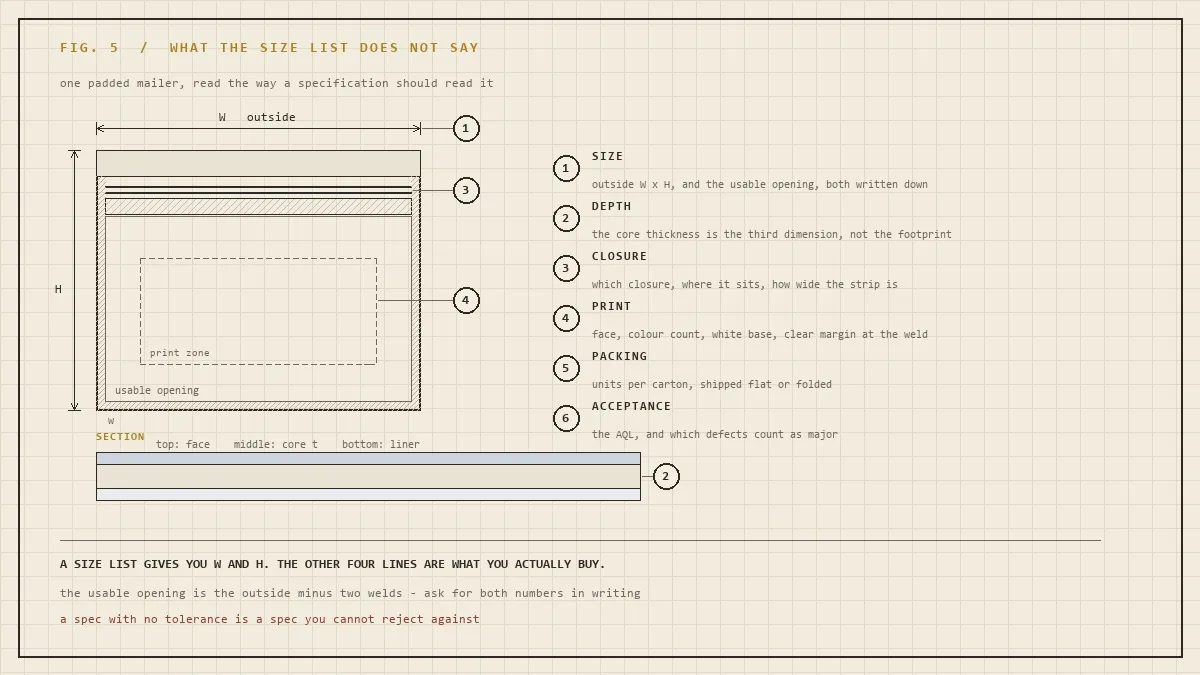 Fig.5 One padded mailer read as a specification: the two published numbers, the hidden third, and the four lines that follow
Six lines is enough. Each one replaces a question you would otherwise be asking by email, in the middle of a production week.
One: which side of the bag you measured
Say “outside” or say “usable opening”, and then give both. The difference is the weld: two seams, each a few millimetres wide, come out of the space you can actually fill, so a bag listed at 25 x 30 will not accept a 25 x 30 carton. Specify the weld width and the usable opening alongside the outside size, and put a tolerance on each. A dimension without a tolerance is a number nobody can fail.
Two: the third dimension is the core
A padded mailer publishes two dimensions and hides one. The core – 20 mm of EPE on our
foil insulated mailer – is the depth, and it is what lets a flat bag hold a boxy item. It also sets how much the bag bulges once filled, which is the figure your shipping carton is really built around. Name the core material and thickness, and say whether it runs full-face or as a patch; an
air bubble core behaves differently again, because it is mostly air and rebounds after a knock.
Three: closure, position and strip width
Which closure you specify is a line decision as much as a bag decision. A heat seal needs a machine at the end of the bench. A peel-and-seal strip needs one firm press from whoever packs it. A zip needs both hands and a second of patience. Then the position: how far below the mouth the closure sits, and how wide the adhesive runs. Give a number for both, not a photograph. On a
reusable zip mailer the zip is the whole product promise, so ask for a cycle count in the specification rather than a description of how strong it is.
Four: print on the face, and the margin at the weld
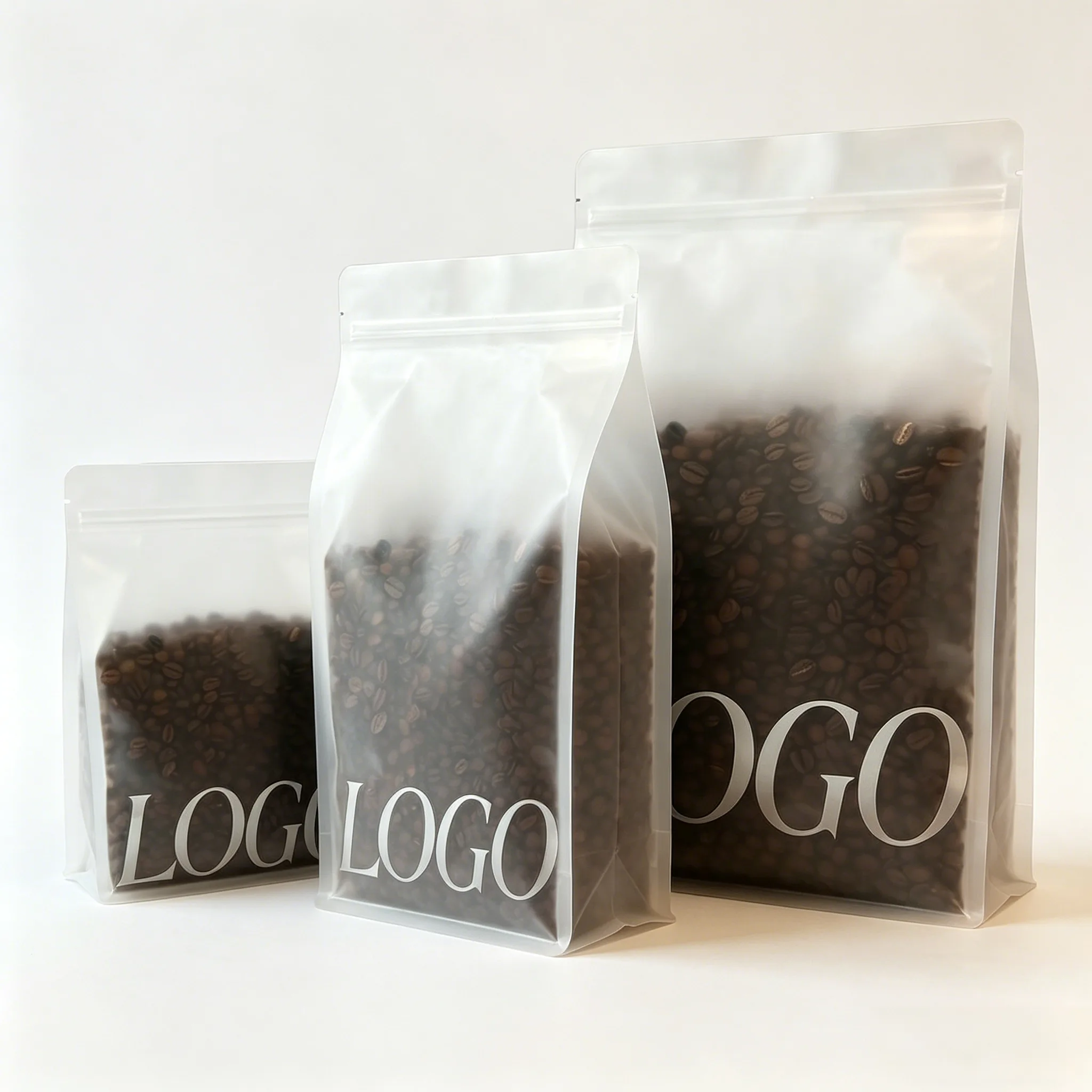
Print carries three numbers of its own: colour count, the face it lands on, and the clear space it needs. A metallised face needs a white base under any colour that must read as itself, kraft drinks ink into the fibre, and a film face prints cleanly and takes a label without help. All three need the margin along the weld kept clear, because heat that reaches ink crazes the metallised layer and leaves a dull line at the seam. Approve the artwork on a finished structure, never on a flat proof.
Five and six: packing and acceptance
Two lines get left off more often than any others. Packing: units per carton, flat or folded, and which way up – this is the line that decides the freight bill, and the arithmetic behind it is in
what flat-packing changes about the bill. Acceptance: the sample size, the AQL, and which defects count as major. A spec with no tolerance and no AQL is not strict, it is unenforceable – there is nothing to measure against, so there is nothing to reject against.
Six lines, one page. It costs an afternoon to write, and it is the difference between a supplier quoting your bag and a supplier quoting something close to it. If the temperature side is the open question rather than the dimensions, start with
the three paths heat takes into a parcel.
Send the carton dimensions, the product and the print file, and we will draft the six lines with you before anything is plated.
Draft a specification with us